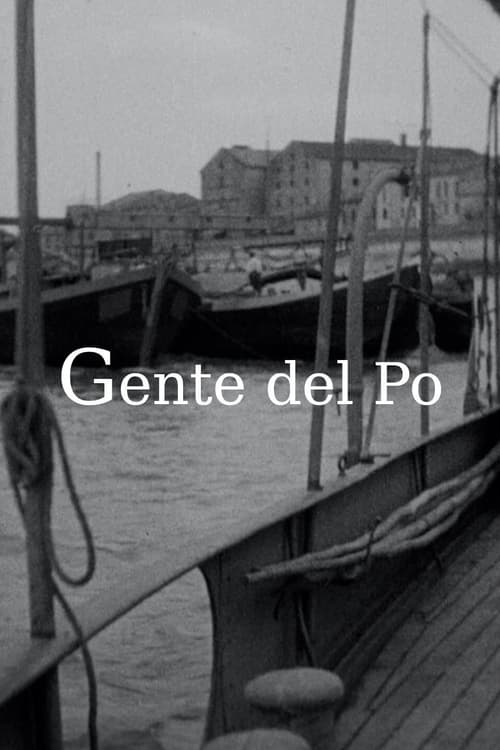
People of the Po Valley
1947
No user ratings available yet
Diversity score: 5.8 out of 10
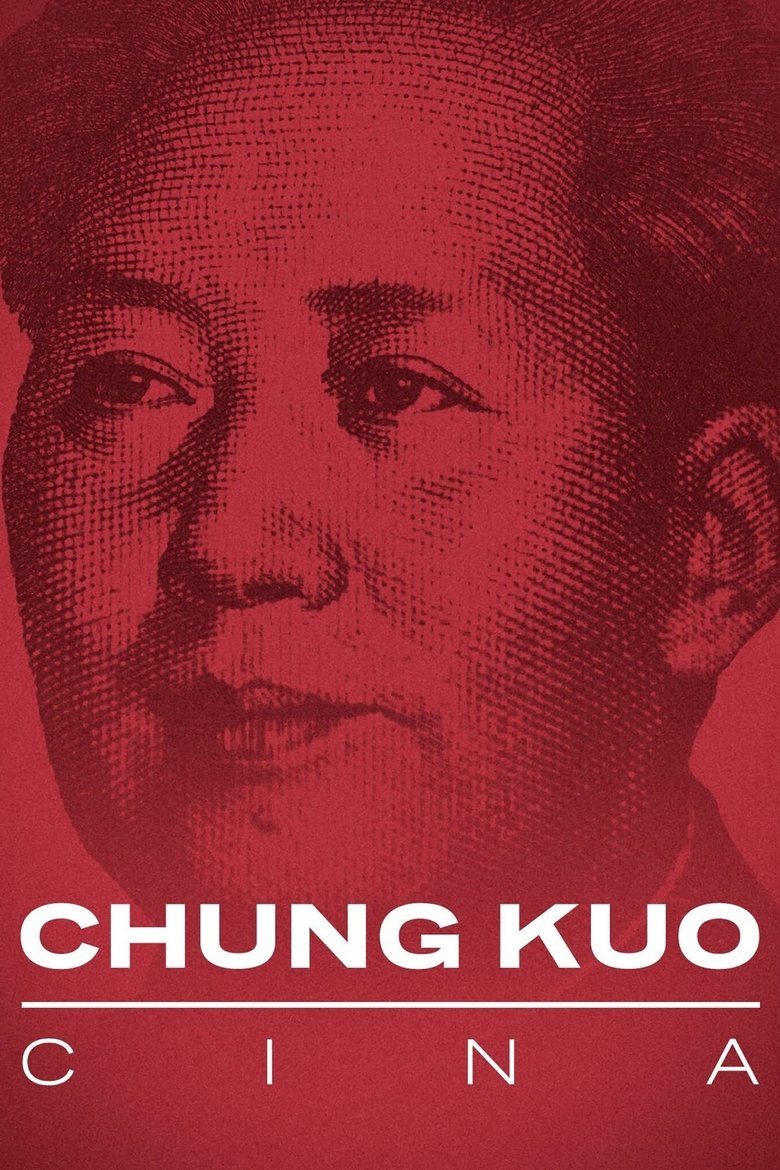
1972
Director
Michelangelo Antonioni
Runtime
207 minutes
Average Rating
No ratings yetSynopsis
A documentary on China, concentrating mainly on the faces of the people, filmed in the areas they were allowed to visit. The 220 minute version consists of three parts. The first part, taken around Beijing, includes a cotton factory, older sections of the city, and a clinic where a Cesarean operation is performed, using acupuncture. The middle part visits the Red Flag canal and a collective farm in Henan, as well as the old city of Suzhou. The final part shows the port and industries of Shanghai, and ends with a stage presentation by Chinese acrobats.
Overall Score
Good
Category Breakdown
LGBTQ+ Representation
The film lacks explicit evidence of LGBTQ+ characters or narratives. It focuses on collective labor and societal structures rather than individual identity politics.
Gender Representation
Women are visible as active participants in cotton factories and collective farming. This depiction presents them as integral components of a state-driven economic engine.
Racial & Ethnic Diversity
The documentary centers an entirely non-Western cast, offering a perspective that deviates from the Eurocentric gaze. It provides a nuanced look at regional life across China.
Religious & Cultural Diversity
The film highlights collective-oriented social structures, such as industrial ports and farms. It celebrates a social order operating outside of Western liberal traditions.
Disability Representation
There is no specific evidence to suggest disability is a central narrative theme. Characters with disabilities are not utilized as specific plot devices.
Strengths
Areas for Improvement
AI Analysis
Antonioni’s documentary serves as a significant departure from the Western cinematic hegemony of the early 1970s. By centering a non-Western populace, the film disrupts the traditional observer dynamic and provides a systemic look at a culture with different foundational values. The work excels in its racial and cultural centering, showcasing a worldview that prioritizes the collective over the individual. It effectively documents the intersection of people and their industrial environments, from Beijing to Shanghai. However, the film does not engage with modern identity-based frameworks. It lacks representation regarding LGBTQ+ identities or disability, focusing instead on the broader socio-economic landscape of the era.
1947
1964

2014
1968

2009

1981

2023
2008
2019
1973

2009

1974
No reviews yet. Be the first to share your thoughts on this movie!
Use the rating form above to leave a star rating and optional review.