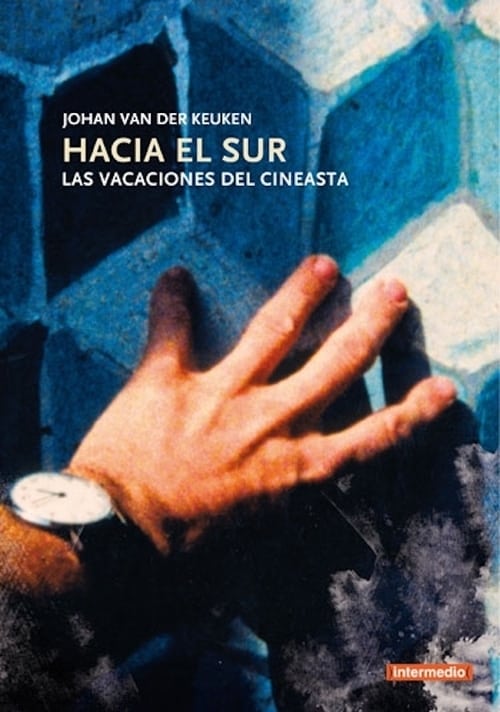
The Way South
1981
No user ratings available yet
Diversity score: 6.3 out of 10

1980
Director
Raúl Ruiz
Runtime
65 minutes
Average Rating
No ratings yetSynopsis
In 1978, Ruiz was commissioned to make a television documentary about the French elections from the viewpoint of a Chilean exile in Paris’ eleventh arrondissement. But, contrary to the producers’ expectation, the Left lost. Ruiz seized on this anti-climax to make a documentary about nothing except itself – a film whose central subject is forever lost in digression and ‘dispersal’, harking back to his Chilean experiments of the ‘60s. Its political content is deliberately left negligible: it’s hard to tell at the end who did actually win the election, let alone why.
Overall Score
Good
Category Breakdown
LGBTQ+ Representation
LGBTQ+ identities are not a central narrative pillar in this documentary. Inclusion appears through subtext rather than explicit character arcs, reflecting the era's experimental style. No verifiable on-screen evidence of non-cisnormative identities is present.
Gender Representation
The film disrupts the 'Great Man' theory of history by focusing on ordinary people rather than centralized masculine leadership. This refusal of decisive authority functions as a critique of patriarchal power structures.
Racial & Ethnic Diversity
The film centers on a Chilean exile in Paris, providing a post-colonial lens on Western politics. This shifts the gaze away from Western norms to prioritize the immigrant experience.
Religious & Cultural Diversity
Ruiz critiques Western democratic institutions by prioritizing subjective experience over objective political truth. The narrative undermines traditional political hierarchies through a focus on moral relativism and anti-climax.
Disability Representation
There is no evidence regarding the depiction of physical or neurodivergent disabilities within the film.
Strengths
Areas for Improvement
AI Analysis
Raúl Ruiz utilizes a postmodern, fragmented approach to challenge the authority of official historical records. By centering a Chilean exile, the film successfully shifts the perspective away from traditional Western-centric narratives. While the documentary excels in systemic representation through its post-colonial lens, it lacks explicit focus on specific identity categories. The narrative prioritizes the deconstruction of power over individual character-driven arcs. Ultimately, the film's strength lies in its subversion of the 'Great Man' trope, though it remains thin on direct depictions of LGBTQ+ or disability-related identities.
1981
1977

2019
1972
1972
2008
1967
2006
1973
1977
1968
1993
No reviews yet. Be the first to share your thoughts on this movie!
Use the rating form above to leave a star rating and optional review.