Sibelius
2003
No user ratings available yet
Representation score: 1.2 out of 10
Representation Score
Limited
1950
Director
Grigoriy Roshal
Runtime
120 minutes
Average Rating
No ratings yetNew Showbiz Analysis
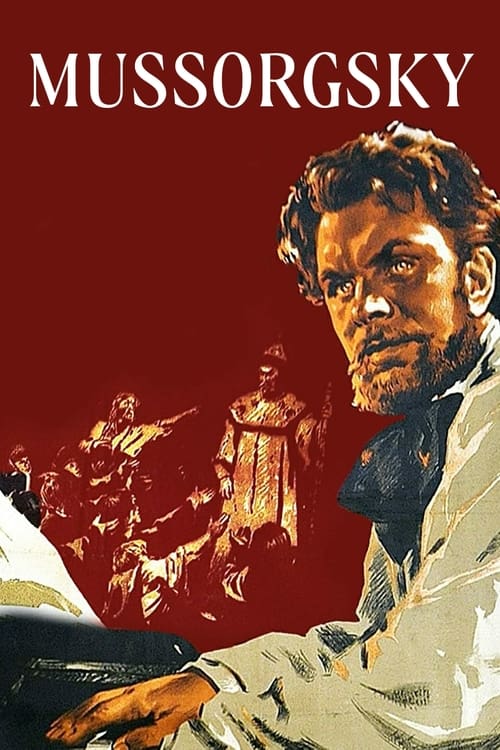
Mussorgsky (1950) is a period drama that emphasizes class conflict over individual identity. While it does not feature contemporary representations of gender or LGBTQ+ identities, it excels in cultural critique by challenging aristocratic power structures. The film uses the struggles of peasants to drive the protagonist's artistic growth, providing a strong social commentary on oppression versus liberation. Ultimately, the film’s diversity is shaped by its socio-economic themes rather than individual identity politics, reflecting its historical and ideological context.
Category Breakdown
The film centers around a male-dominated group of composers. There are no depictions of non-straight or non-cisgender identities or same-sex relationships.
Men hold the majority of key roles, while women primarily play supporting roles in domestic settings, reinforcing traditional gender hierarchies.
The cast mainly features Slavic characters, emphasizing class differences between landowners and peasants rather than ethnic diversity.
The film strongly critiques aristocratic authority and institutional barriers. It highlights the evolution of art through the lens of class struggle.
There are no characters with visible or invisible disabilities that play a central role in the plot or character development.
Present on Screen
Limited or Absent
Official Synopsis
Saint Petersburg, 1858. A group of composers known as The Five meet at Balakirev's. Young Modest Mussorgsky, both a civil servant and a musician, has become a fixture there. He tells about the first opera he plans to compose. Then he goes to the country where he discovers the lowly conditions of the peasants and the bloody conflicts with the rich land owners. He works on Gogol's 'The Marriage', trying to render into music the natural accents of the play's naturalistic dialogue. But his efforts do not pan out. On the other hand, he starts writing his opera on the story of Boris Godunov. The Marinsky Theatre refuses to stage the work. The Five, and Mussorgsky among them, are libeled and the group starts disintegrating. When 'Boris Godunov' is finally performed in 1874, it is a popular success.
2003

2009
1939
1999

2024
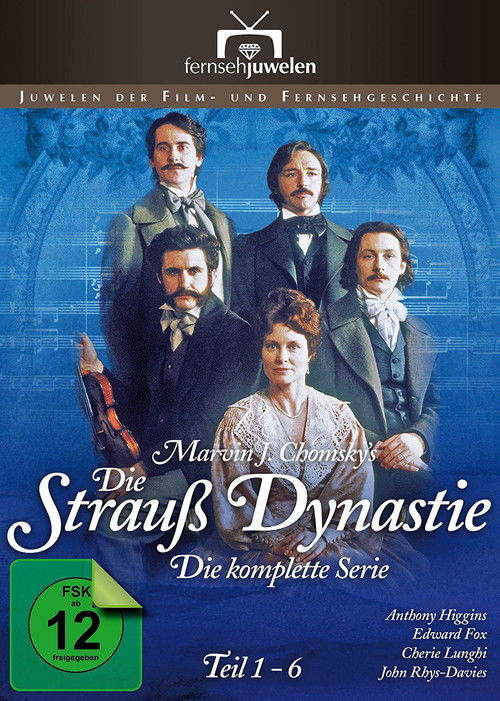
1991
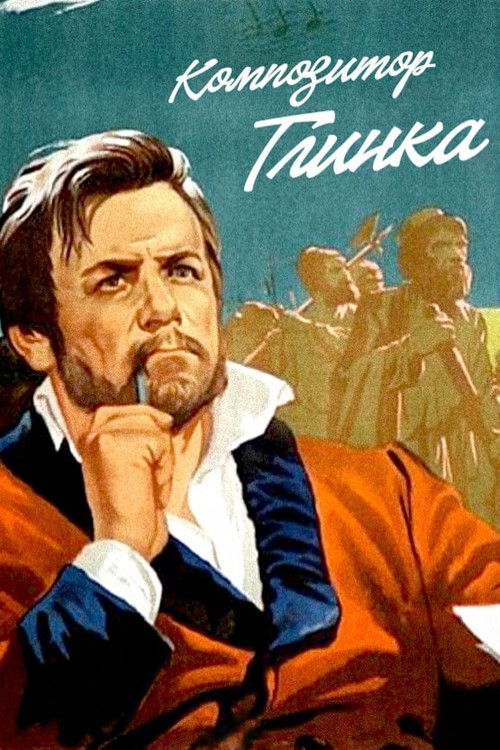
1952
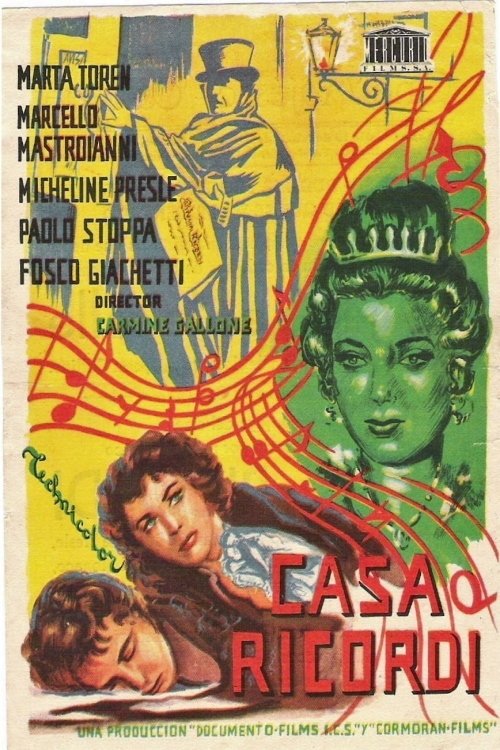
1954
No reviews yet. Be the first to share your thoughts on this movie!
Use the rating form above to leave a star rating and optional review.