Mayerling
1936
No user ratings available yet
Representation score: 0.5 out of 10
Representation Score
Fair
2017
Director
Alexei Uchitel
Runtime
130 minutes
Average Rating
No ratings yetNew Showbiz Analysis
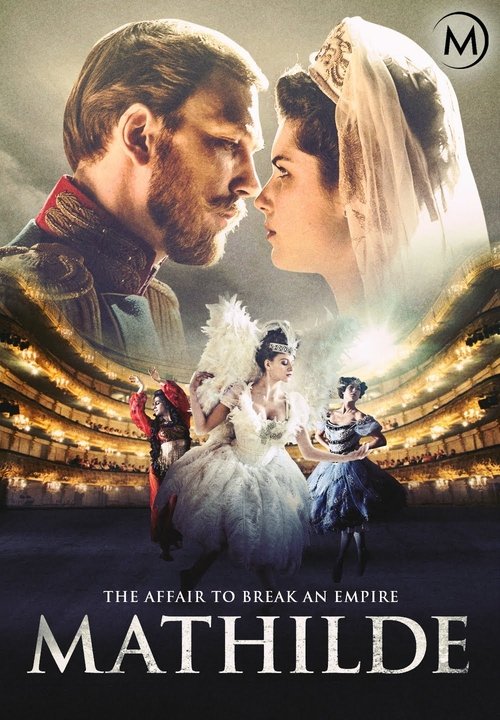
Mathilde serves as a historical drama that uses a forbidden romance to question the sanctity of the Romanov dynasty. It emphasizes personal ability to act over institutional loyalty, particularly through its portrayal of female autonomy. The film's strength lies in its subversion of traditional gender hierarchies and its critique of oppressive imperial and religious institutions. It incorporates Matilda's Polish heritage to provide ethnic complexity. However, the film remains confined to the demographic realities of its historical setting, lacking broader LGBTQ+ representation and non-white diversity.
Category Breakdown
The film focuses on a heterosexual relationship between Matilda Kshesinskaya and Nicholas II, without including any explicit LGBTQ+ characters or non-cisgender identities.
Matilda Kshesinskaya is shown with significant professional and emotional influence, challenging the typical submissive female stereotype by depicting women navigating strict patriarchal structures in the Russian Imperial Court.
The film captures a cosmopolitan St. Petersburg and includes Matilda's Polish heritage, adding ethnic complexity. However, the cast remains within the historical European demographic, lacking broader non-white representation.
The narrative criticizes traditional imperial institutions aligned with Orthodox religion, emphasizing individual emotional truth over the oppressive weight of the Crown and institutional duty.
There is no significant depiction of physical or neurodivergent disabilities within the film.
Present on Screen
Limited or Absent
Official Synopsis
It portrays the memories of Matilda Kshesinskaya and her love affair with the last Tsar of Russia, Nicholas II. Matilda, a Polish-born ballerina from the Mariinsky Theatre in St. Petersburg, had a brief and intense romance with Nicholas between 1892 and 1894, before Nicholas married Alexandra Feodorovna and was crowned Tsar after his father's death. It also explores their relationship, facing societal pressures and interference from Nicholas's mother, Empress Maria Feodorovna, as well as Matilda's involvement with other members of the imperial family, the Romanovs, such as Grand Duke Sergei Mikhailovich and Grand Duke Andrei Vladimirovich.
1936
1934

1937

1957
1995
1997
2000
1955
No reviews yet. Be the first to share your thoughts on this movie!
Use the rating form above to leave a star rating and optional review.