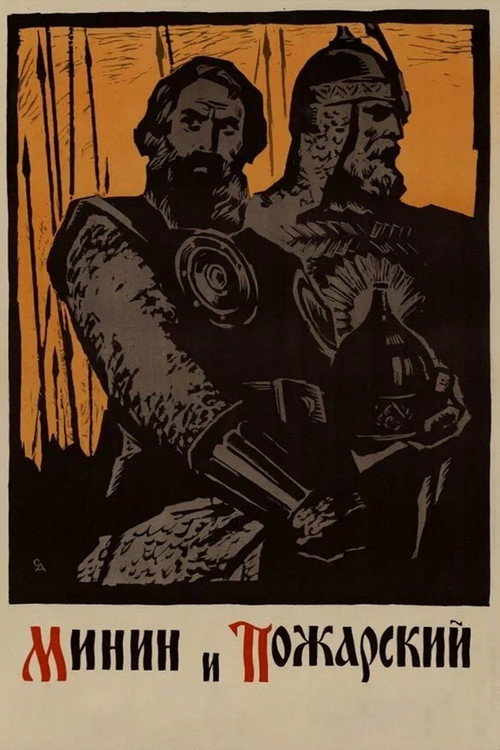
Minin and Pozharsky
1939
No user ratings available yet
Representation score: 4.2 out of 10
Representation Score
Fair
1936
Director
Ivan Kavaleridze
Runtime
83 minutes
Average Rating
No ratings yetNew Showbiz Analysis
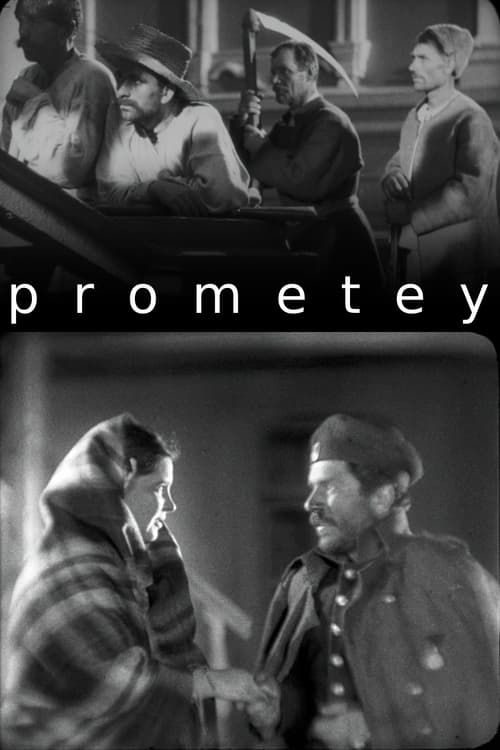
Prometey is a stylized work that explores revolutionary themes using mythological archetypes. It excels in representing Georgian identity and critiquing oppressive authority. However, it adheres to traditional gender roles and lacks LGBTQ+ representation. Physical suffering is used symbolically rather than to explore disability with depth.
Category Breakdown
There is no representation of LGBTQ+ relationships or non-assuming gender matches what was assigned at birth gender identities in the film.
Female characters primarily play supporting roles, often confined to domestic or emotional contexts that serve as catalysts for the protagonist's journey. The narrative structure upholds traditional gender roles without challenging them.
The film highlights Georgian ethnic identity and focuses on Caucasian settings. It challenges monolithic cultural perspectives by emphasizing regional resistance and a Georgian cast.
The film critiques absolute authority by portraying theocratic hierarchies as oppressive forces. The protagonist's defiance is shown as a triumph of the human spirit over oppressive institutions.
Characters experiencing physical suffering are used symbolically to represent the human condition, lacking independent ability to act and serving mainly as a narrative device.
Present on Screen
Limited or Absent
Official Synopsis
A young man, Ivan, is forcefully mobilised and sent to fight in the Caucasian War as a soldier of the Russian Empire by his landlord, leaving his wife behind. In the Caucasus, Ivas experiences the fierce local resistance to the Russian military, and returns home to launch an uprising against the Russian government.
1939
1959
1942

2019
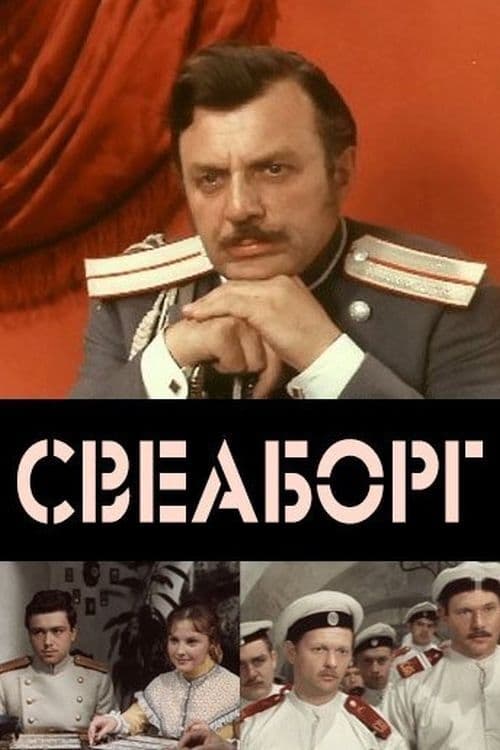
1972
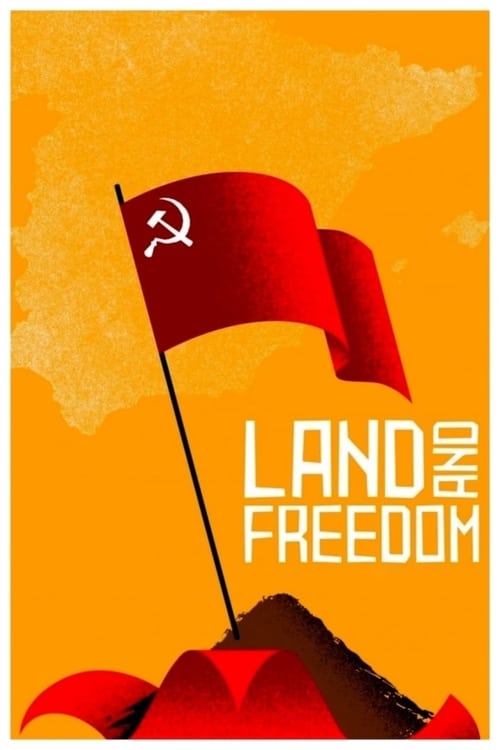
1995
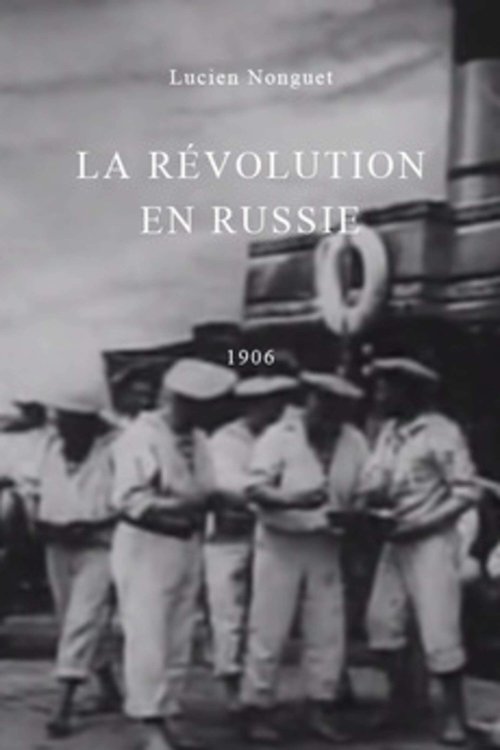
1905
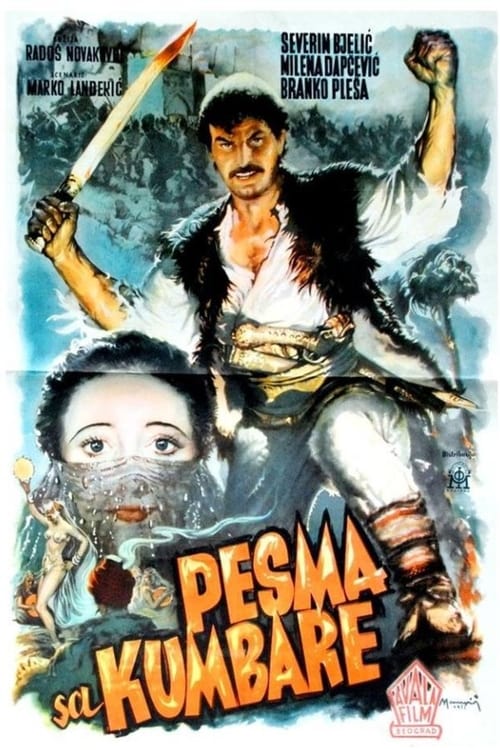
1955
No reviews yet. Be the first to share your thoughts on this movie!
Use the rating form above to leave a star rating and optional review.