
Agony: The Life and Death of Rasputin
1981
No user ratings available yet
Representation score: 4.0 out of 10
Representation Score
Limited
1986
Director
Sergey Bondarchuk
Runtime
130 minutes
Average Rating
No ratings yetNew Showbiz Analysis
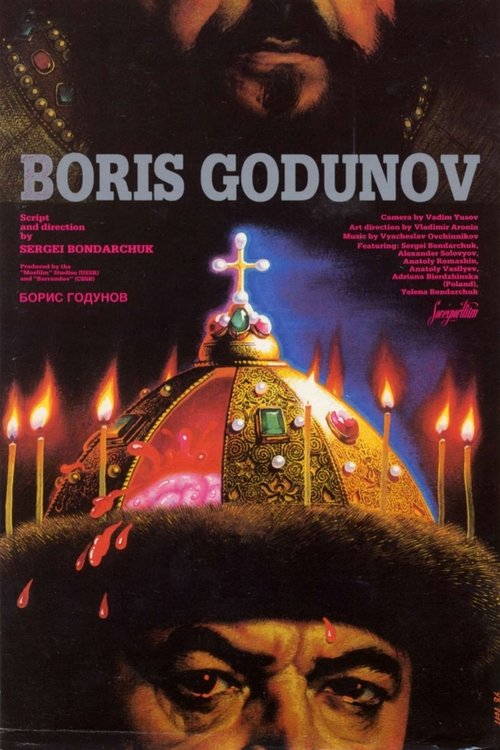
Sergey Bondarchuk’s adaptation is a grand historical tragedy that prioritizes the deconstruction of power over modern identity politics. It excels at examining systemic corruption and the tension between the ruling class and the peasantry, offering a progressive critique of autocracy. However, the film remains tethered to the patriarchal and ethnic constraints of its 16th-century setting. Representation of gender and LGBTQ+ identities is minimal, as the narrative focuses on the masculine burdens of leadership and religious authority. Ultimately, the film's depth lies in its psychological and institutional analysis. While it lacks diverse representation, it provides a profound look at the moral complexities of centralized governance and the suffering of the masses.
Category Breakdown
The film adheres to the historical and religious constraints of 16th-century Muscovy. There is no evidence of non-traditional gender identities or same-sex relationships within the narrative.
The story is driven by male political and religious figures. Female characters like Marina Mniszech play roles mainly through political maneuvering and romantic interest rather than independent action.
The production features a predominantly Slavic cast to maintain historical authenticity. It avoids whitewashing by remaining culturally consistent with its specific Muscovite setting, though it lacks modern blending of diverse backgrounds.
The film offers a sophisticated examination of the relationship between the Russian Orthodox Church and the State. It portrays religious authority as a complex, often oppressive force in political life.
The narrative touches on Boris Godunov's deteriorating health and mental state. These elements serve as devices to signal his loss of control rather than providing nuanced characterization.
Present on Screen
Limited or Absent
Official Synopsis
Praised for its fine photography and production design if not its narrative, Sergei Bondarchuk directed this adaptation of the tale by Alexander Pushkin. Boris Godunov came to the Czarist throne at the end of the 16th century, after the original heir to Ivan the Terrible had died. At first, things went well for Godunov (played by Bondarchuk), but when the Russian people began to believe he had killed Ivan the Terrible's son in order to gain the throne, an alliance sprang up against the new Czar. Events continued to spin out of control as a young monk was presented as the son Godunov had supposedly killed. Now he was openly accused of failing an assassination attempt, which seems to be even worse than succeeding. In addition to these woes, Boris Godunov began to suffer serious health problems. So much for the joys of kingship.
1981

1958
1991
1954
1938

1944
2007

1986
No reviews yet. Be the first to share your thoughts on this movie!
Use the rating form above to leave a star rating and optional review.