Séraphine
2008
No user ratings available yet
Representation score: 8.3 out of 10
Representation Score
Minimal
1999
Director
Charles Matton
Runtime
103 minutes
Average Rating
No ratings yetNew Showbiz Analysis
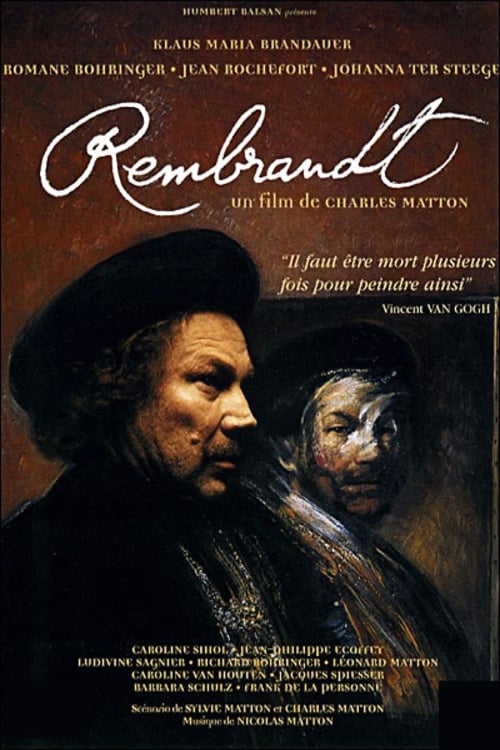
Charles Matton’s Rembrandt is an experimental visual essay that prioritizes light, shadow, and the 'gaze' over a traditional character-driven plot. By intercutting cinematic fragments with high-resolution studies of paintings, the film functions as a meditative study of art history rather than a social drama. Since the film relies on 17th-century Dutch art as its primary source material, the representation is inherently limited by the historical period's homogeneity. It lacks intentionality regarding identity-based representation or the subversion of social hierarchies. Ultimately, the work succeeds as a postmodern deconstruction of the moving image but fails to engage with modern diversity standards, focusing instead on the intersection of cinematography and the canvas.
Category Breakdown
The film focuses on the relationship between the painter's vision and the cinematic medium. It does not address any LGBTQ+ themes or non-straight identities.
Gender is explored through an aesthetic lens rather than a social one, centering on the depiction of women's faces and bodies. The film does not actively challenge traditional gender roles.
The visual palette is largely homogeneous, reflecting the 17th-century Dutch Golden Age. The work prioritizes the preservation of historical art over modern demographic representation.
The film embraces postmodern subjectivity and intellectual relativism. It avoids religious or nationalist dogmas, favoring a secular, philosophical inquiry into the human experience.
There are no discernible depictions of physical or neurodivergent disabilities. The montage structure does not feature characters or plot devices addressing disability.
Present on Screen
Limited or Absent
Official Synopsis
This French-German-Dutch biopic on the life of 17th century Dutch master Rembrandt van Rijn is told in flashbacks from the point-of-view of the aged artist. Soon after establishing his career as a painter in Amsterdam, he marries the radiant Saskia. As he makes a name for himself, he can soon afford to buy a large house by teaching wealthy aristocrats how to paint. However, the couple's happiness is short-lived; Saskia dies soon after bearing their son, Titus. Crushed, van Rijn seeks comfort first in the arms of his maid Geertje and then with his second wife, Hendrickje, who gives birth to a daughter. In spite of his genius, van Rijn's determinedly eccentric behavior alienates the very members of the elite who were paying his bills. At one point, the artist's home and belongings, including many of his paintings, are seized and sold for humiliatingly low prices in a rigged auction.
2008
1991
1936
1986
2019
1973
2003

1956
No reviews yet. Be the first to share your thoughts on this movie!
Use the rating form above to leave a star rating and optional review.