
The Pine Tree in the Mountain
1971
No user ratings available yet
Diversity score: 4.6 out of 10

1978
Director
Sára Sándor
Runtime
124 minutes
Average Rating
No ratings yetSynopsis
The film tells the story of a regiment of Hungarian hussars stationed in Poland. The hussars, mostly ordinary men, have heard news of the uprising and wish to return to the homeland to defend the newly independent country. The Empire, on the other hand, is firmly resolved that all Hungarian troops in the imperial army should be kept as far away from the trouble spot as possible, knowing that most soldiers would be loyal to Budapest rather than Vienna.
Overall Score
Fair
Category Breakdown
LGBTQ+ Representation
The film focuses on traditional masculine camaraderie within a military framework. There is no evidence of queer narratives or non-heteronormative identities present.
Gender Representation
The narrative centers on a regiment of men, reinforcing a traditional masculine military hierarchy. It lacks female characters with agency or subversion of gendered power dynamics.
Racial & Ethnic Diversity
The film represents Hungarian national identity within a multi-ethnic imperial context. It highlights the distinction between local ethnic identity and the broader imperial state.
Religious & Cultural Diversity
The story disrupts imperial hierarchies by framing the conflict as a struggle for national sovereignty. It prioritizes the rebel sentiment of soldiers over state stability.
Disability Representation
There is no documented evidence of characters with visible or invisible disabilities serving as central plot devices or subjects of analysis.
Strengths
Areas for Improvement
AI Analysis
80 Hussars is a historical drama that prioritizes nationalistic agency and the struggle for sovereignty. It succeeds in its cultural critique by framing the desire for independence as a legitimate driver of the plot against an oppressive empire. However, the film operates within a very narrow social scope. It lacks modern intersectional markers, particularly regarding gender and LGBTQ+ identities, focusing instead on a traditional masculine military environment. Ultimately, the film's strength lies in its deconstruction of imperial authority rather than its breadth of social representation.
1971

1959
1964
1969
1980
1992
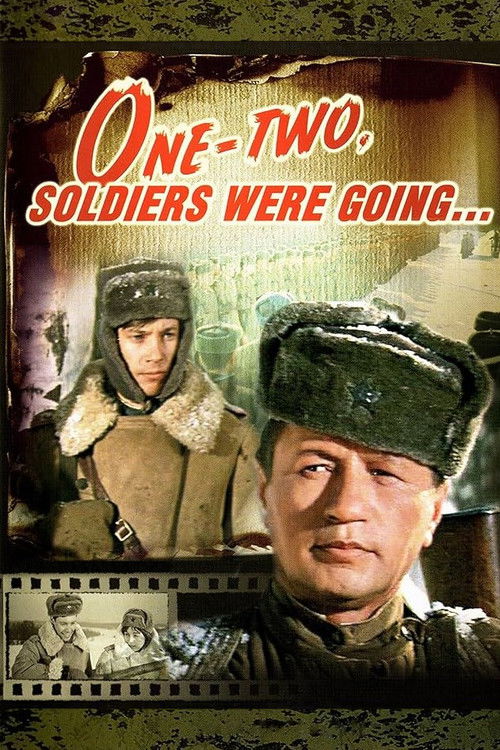
1976
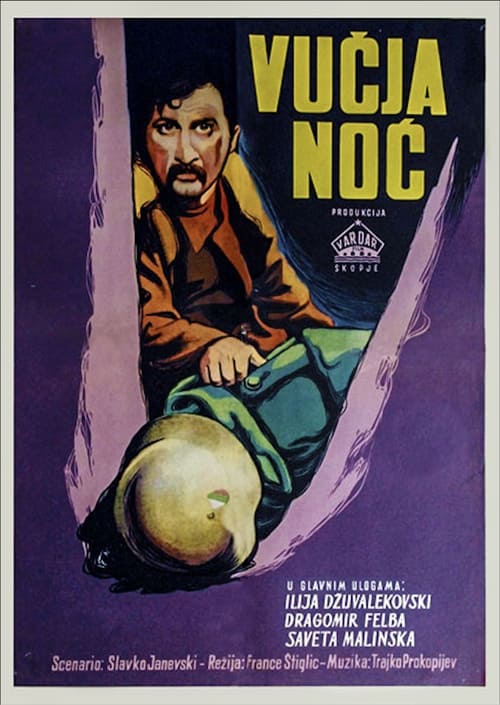
1955
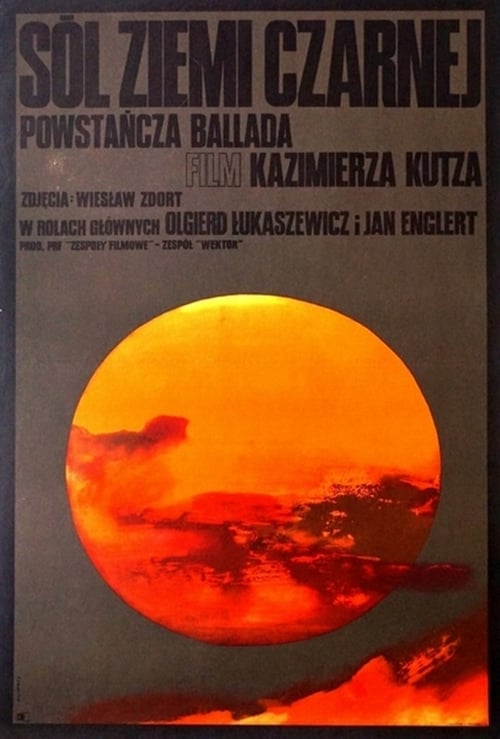
1970
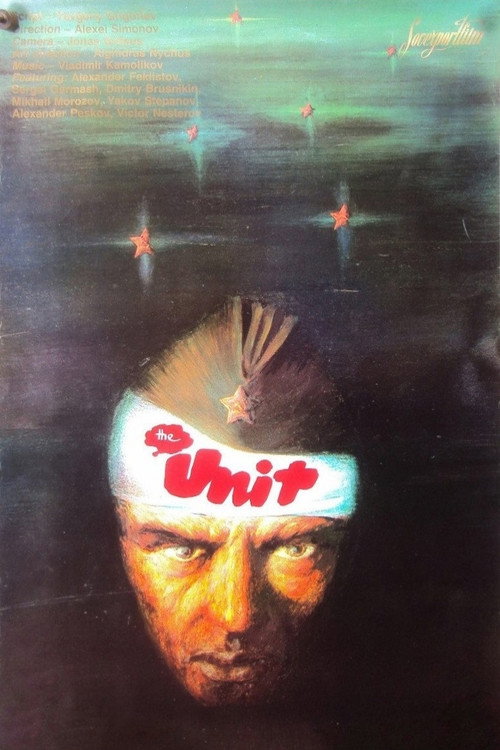
1984
1996

2002
No reviews yet. Be the first to share your thoughts on this movie!
Use the rating form above to leave a star rating and optional review.