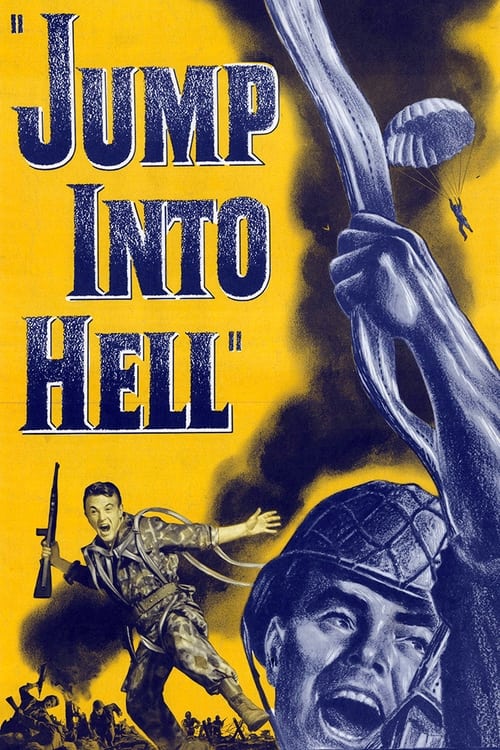
Jump Into Hell
1955
No user ratings available yet
Representation score: 0.6 out of 10
Representation Score
Fair
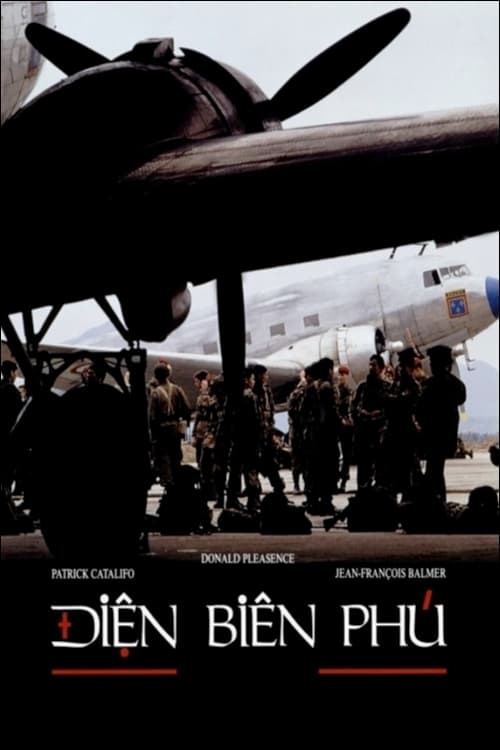
1992
Director
Pierre Schoendoerffer
Runtime
125 minutes
Average Rating
No ratings yetNew Showbiz Analysis
Diên Biên Phu avoids the typical romanticization of imperial warfare. Instead, it offers a sophisticated deconstruction of colonial authority and the collapse of Western institutional control in Southeast Asia. While the film lacks broad representation in terms of gender and LGBTQ+ identities, it excels in its post-colonial perspective. By shifting ability to act from the colonial occupiers to the indigenous forces, it disrupts the cliché of Western military invincibility. The film's strength lies in its historical authenticity and its refusal to celebrate traditional masculine leadership, instead showing its disintegration under the pressure of defeat.
Category Breakdown
The film is set within a hyper-masculine military siege and does not include any visible LGBTQ+ characters or explore non-straight identities.
The story focuses almost entirely on male combatants and command structures, with female characters playing minor roles in the overall narrative.
The film highlights the racial power dynamics of the French colonial project, emphasizing the ability to act of Viet Minh forces against the French military.
The story critiques Western hegemony and colonial exhaustion, portraying the French mission as a failing systemic effort rather than a moral necessity.
The film uses physical and psychological trauma to illustrate the brutality of war, but does not focus on disability as a central narrative element.
Present on Screen
Limited or Absent
Official Synopsis
Vietnam, 1954. An American reporter finds himself in the middle of the battle of Điện Biên Phủ, between the French army and the Vietminh.
1955
1959
1966
1983

1972

2009
2021
1984
No reviews yet. Be the first to share your thoughts on this movie!
Use the rating form above to leave a star rating and optional review.