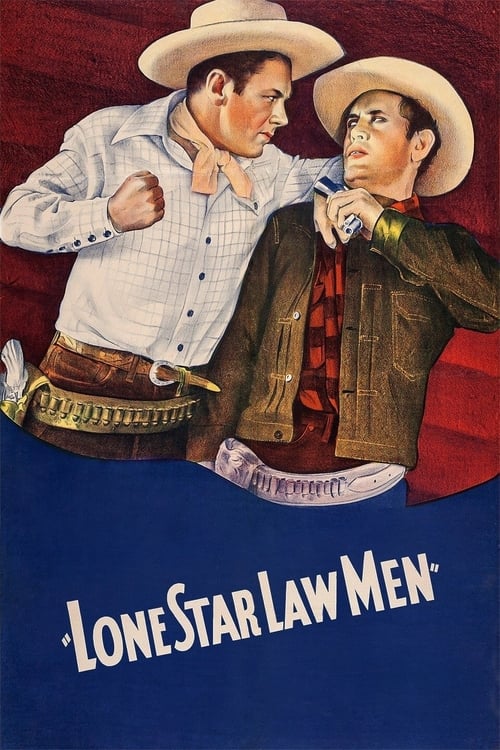
Lone Star Law Men
1941
No user ratings available yet
Representation score: 0.6 out of 10
Representation Score
Limited
1954
ApprovedDirector
George Sherman
Runtime
81 minutes
Average Rating
No ratings yetNew Showbiz Analysis
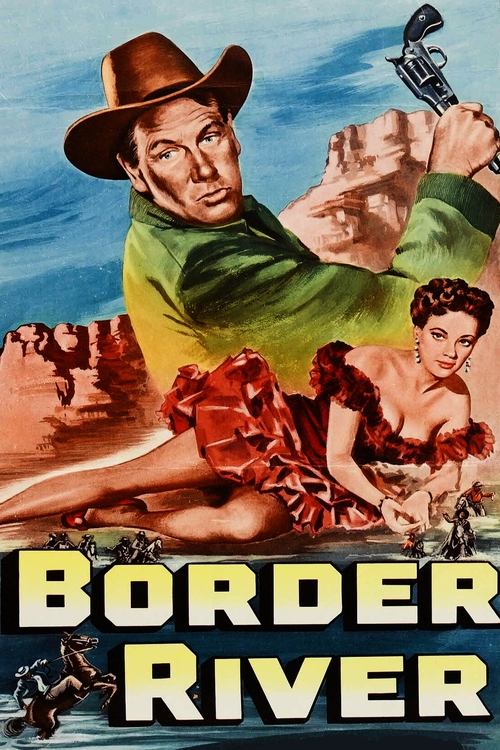
Border River is a conventional mid-century Western that upholds the traditionalist framework of 1954. The narrative structure emphasizes frontier masculinity and clear moral conflicts centered around a Confederate officer. The film reflects the social and cinematic constraints of its time, adhering to established genre clichés. It focuses on historical identities and traditional social hierarchies without challenging them. Ultimately, the work serves as a period piece that reinforces the status quo of the mid-1950s through its character types and thematic emphasis.
Category Breakdown
The film follows the strict conventions of the 1950s Motion Picture Production Code, which assumes everyone is straight. There is no indication of queer subtext or meaningful roles for LGBTQ+ characters.
The story centers on a male Confederate officer and his leadership in combat. Women likely play supporting or domestic roles typical of Western films from that era.
Set in a Mexican border town, the film treats Mexican characters as minor elements. The main storyline focuses on an Anglo-centric conflict.
The plot emphasizes traditional historical narratives by focusing on the Confederate cause. It highlights individual strength and the concept of frontier honor.
There are no characters with visible or invisible disabilities. Themes involving disabilities were rarely explored in mid-century Western films.
Present on Screen
Limited or Absent
Official Synopsis
A Confederate officer travels to a wild Mexican border town to buy guns, aiming to keep up the fight against the Yankees - but who can he trust in this lawless place?
1941
1939
1940
1957
1949
1952
1955
1955
No reviews yet. Be the first to share your thoughts on this movie!
Use the rating form above to leave a star rating and optional review.