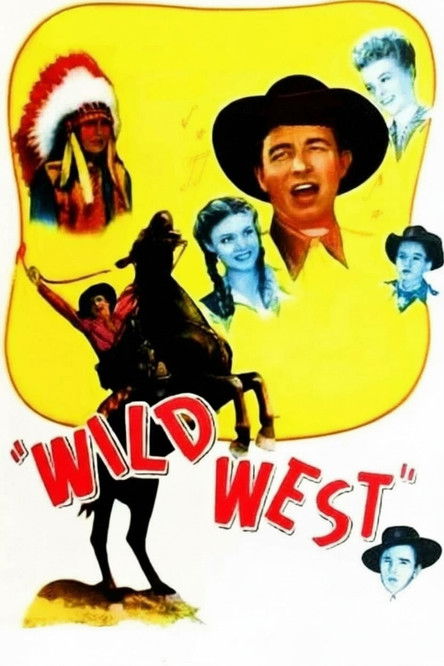
Wild West
1946
No user ratings available yet
Representation score: 1.0 out of 10

Representation Score
Minimal
1940
ApprovedDirector
George Sherman
Runtime
58 minutes
Average Rating
No ratings yetNew Showbiz Analysis
The Trail Blazers is a standard 1940s Western that adheres strictly to the genre clichés of its era. The narrative structure prioritizes traditional masculine roles and the establishment of frontier infrastructure. Because the story focuses on the Mesquiteers and their technical efforts to build a telegraph system, the film reinforces conventional social hierarchies. It lacks the complexity and diverse representation found in more recent works.
Category Breakdown
The film focuses on frontier expansion and communal problem-solving. There is no evidence of non-straight relationships or same-sex intimacy.
The plot centers on the physical labor of building a telegraph system, a task traditionally associated with masculinity. This suggests a male-centric ensemble typical of the Mesquiteers archetype.
The narrative is situated within the Western genre, which historically centers Anglo-American perspectives. Specific details regarding Indigenous or other ethnic groups are absent.
Themes revolve around technological progress and community stability. The conflict focuses on defending a functional telegraph system against local sabotage.
There is no indication that characters with visible or invisible disabilities are integrated into the narrative or serve as central figures.
Present on Screen
Limited or Absent
Official Synopsis
The Mesquiteers try to help their friend build a telegraph system, despite a local newspaper editor's attempts to sabotage the lines.
1946
1939
1941

1938
1944
1950
1944
1942
No reviews yet. Be the first to share your thoughts on this movie!
Use the rating form above to leave a star rating and optional review.