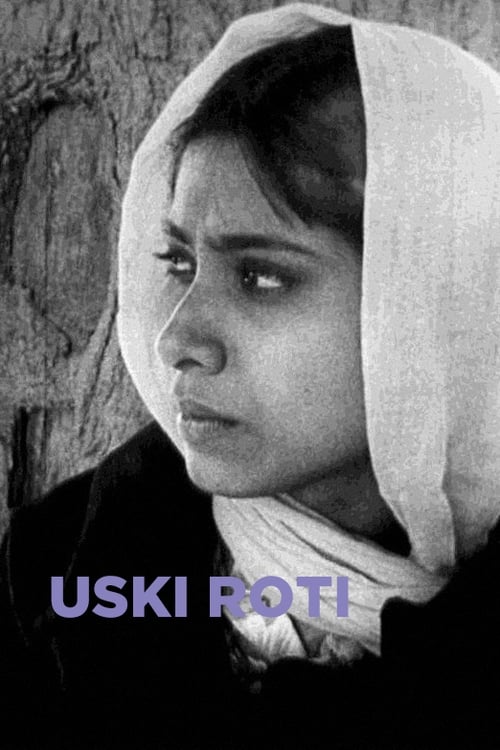
Uski Roti
1970
No user ratings available yet
Diversity score: 6.3 out of 10
1971
Not RatedDirector
Mani Kaul
Runtime
114 minutes
Average Rating
No ratings yetSynopsis
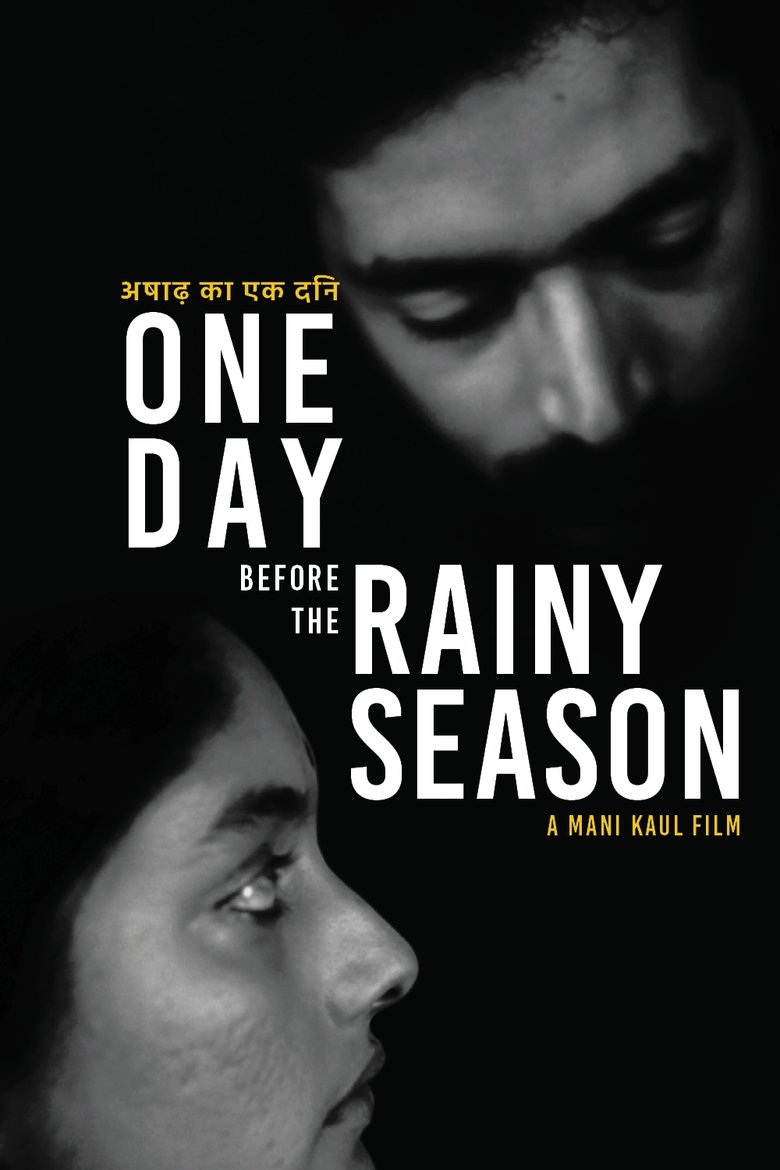
A literary film based on a play in three acts, One Day Before the Rainy Season (Ashad Ka Ek Din) portrays the love of Mallika and Kalidasa, the renowned Sanskrit poet and dramatist. Vilom, a friend to both and interested in Mallika, is a passive onlooker for the first two acts. Kalidasa leaves his verdant mountain valley home for the splendour of far off Ujjain, where he wins fame. The action of the film is rooted in the village to which Kalidasa returns years later and finds Mallika married to Vilom and the mother of his child. Mallika sacrificed her love so that the poet could pursue his muse.
Overall Score
Good
Category Breakdown
LGBTQ+ Representation
The film focuses on the romantic tension between Mallika and Kalidasa. It operates within a traditional heteronormative framework of longing and sacrifice.
Gender Representation
The narrative centers on Mallika’s internal life and agency. It subverts traditional hierarchies by prioritizing her subjectivity over the male protagonist's external achievements.
Racial & Ethnic Diversity
The film presents a culturally authentic, non-Western perspective. It utilizes an all-Indian cast and a rural setting to avoid the Western gaze.
Religious & Cultural Diversity
The film demonstrates cultural autonomy by deconstructing Western narrative expectations. It favors atmosphere and temporal fragmentation over standardized, consumerist storytelling structures.
Disability Representation
There are no prominent depictions of physical or neurodivergent disabilities. The film does not utilize disability as a plot device or engage with common tropes.
Strengths
Areas for Improvement
AI Analysis
Mani Kaul’s work stands as a landmark of formalist experimentation that disrupts conventional cinematic grammar. By rejecting Western-influenced linear storytelling, the film reclaims indigenous rhythms and aesthetic sensibilities. The film excels in its cultural and racial authenticity, offering a post-colonial reclamation of cinematic language. It avoids the 'Western gaze' by rooting its narrative in a rural, agrarian Indian setting. While the film lacks LGBTQ+ or disability-specific representation, it achieves depth through its sophisticated centering of female subjectivity. It moves beyond simple demographic inclusion to liberate the narrative voice.
1970
1991
1959
1960

1984
1990
1998
2021
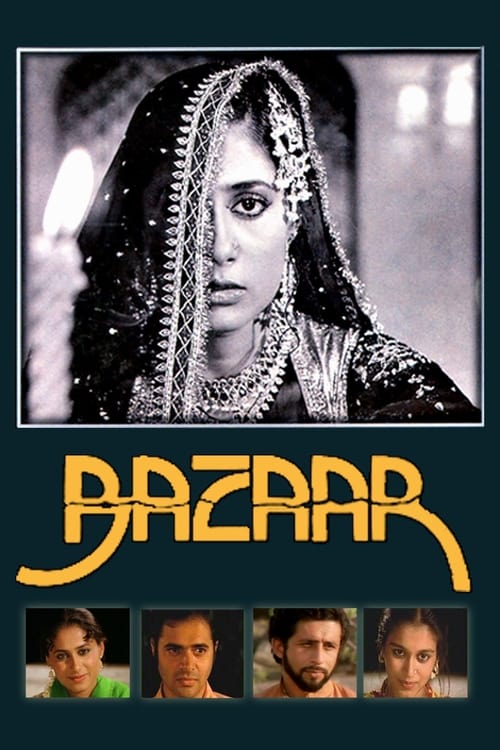
1982
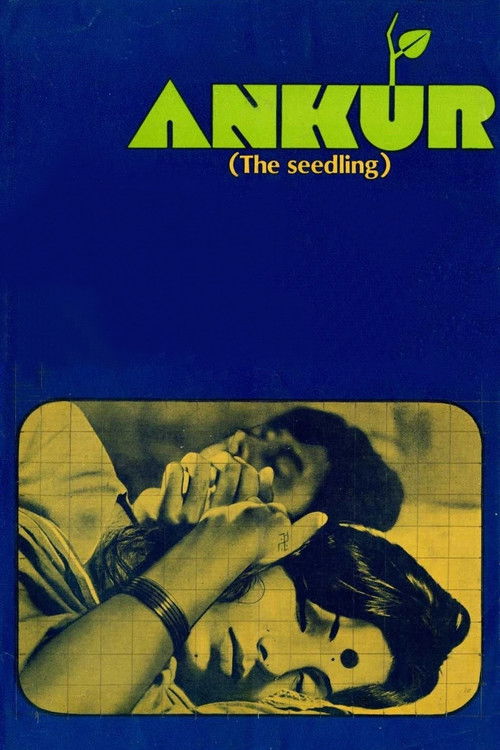
1974
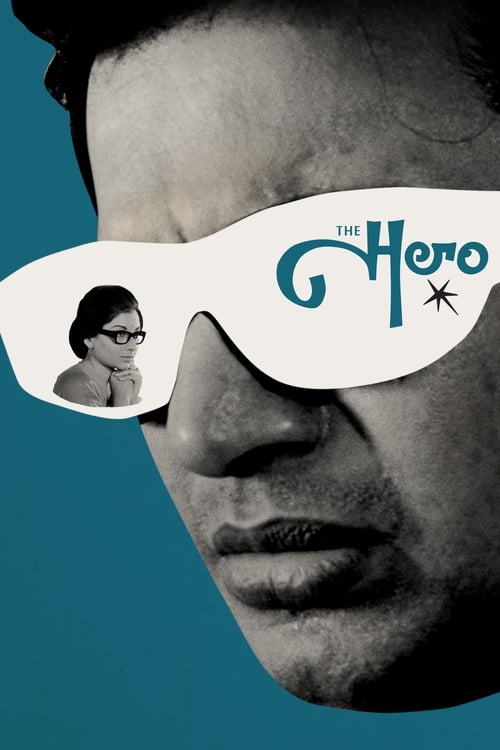
1966
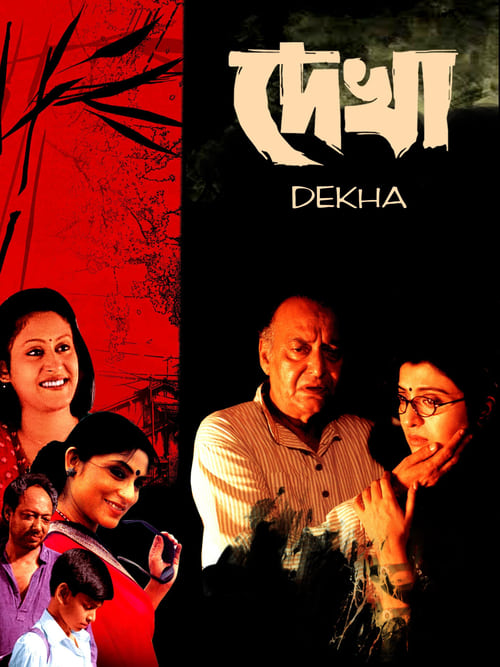
2001
No reviews yet. Be the first to share your thoughts on this movie!
Use the rating form above to leave a star rating and optional review.