The Golden Thread
1965
No user ratings available yet
Representation score: 6.5 out of 10

Representation Score
Good
1960
Not RatedDirector
Ritwik Ghatak
Runtime
127 minutes
Average Rating
No ratings yetNew Showbiz Analysis
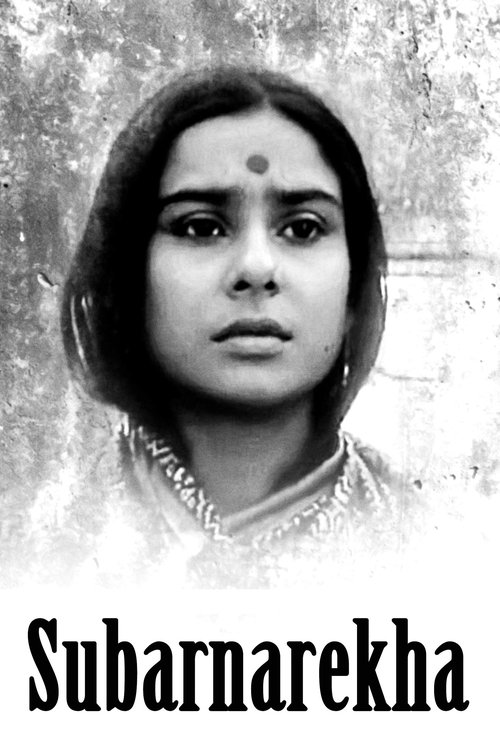
Ritwik Ghatak’s work is a sophisticated study of post-colonial identity and systemic failure. The film succeeds by centering the specific ethnic and gendered experiences of a underrepresented Bengali Hindu community facing displacement. It avoids sanitized views of post-independence stability, instead focusing on the multi-layered struggles of the family unit. It uses the protagonist's sacrifice to critique the socioeconomic systems that dehumanize the displaced. While the film lacks LGBTQ+ representation and specific disability narratives, its deep dive into cultural and ethnic identity provides a powerful, intentional critique of state authority and class struggle.
Category Breakdown
The film focuses entirely on the domestic survival of a displaced refugee family. There are no visible LGBTQ+ identities or narratives addressing non-straight relationships.
The narrative centers on the resilience and emotional labor of a female protagonist. She plays a significant role in driving the story through her endurance and sacrifice, challenging the patriarchal burdens placed on women during crises.
The film offers a profound look at the Bengali refugee experience. It centers a specific ethnic subgroup often sidelined in nationalistic discourses, providing a deep immersion into post-colonial displacement.
The story critiques institutional stability and the post-colonial state's failure to support its citizens. It emphasizes class struggle and how socioeconomic displacement forces a shift in conventional morality.
While no specific physical disabilities are featured, the psychological trauma of displacement acts as a pervasive subtext. Characters exhibit the invisible wounds caused by systemic social upheaval.
Present on Screen
Limited or Absent
Official Synopsis
A selfless young woman, the daughter of a middle-class refugee family from East Pakistan, sacrifices her own happiness for her unappreciative family.
1965
1963

1977
1957
1973

2005
1958
1960
No reviews yet. Be the first to share your thoughts on this movie!
Use the rating form above to leave a star rating and optional review.