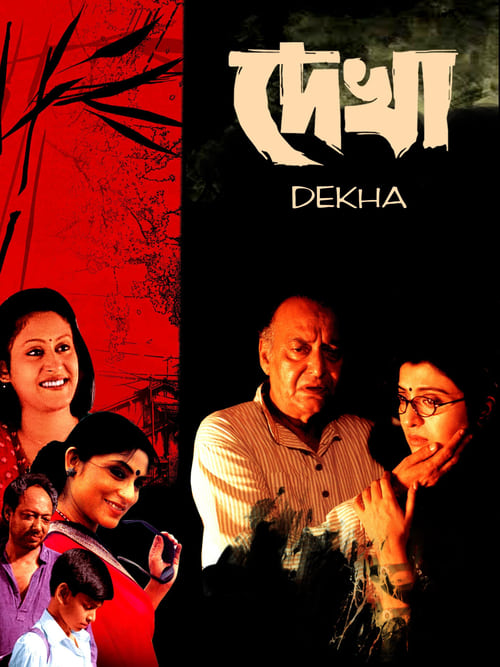
Dekha
2001
No user ratings available yet
Representation score: 6.8 out of 10
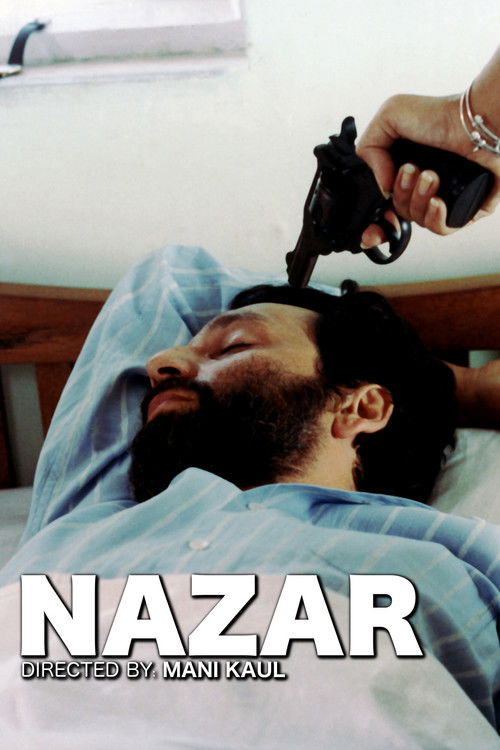
Representation Score
Good
1991
Not RatedDirector
Mani Kaul
Runtime
84 minutes
Average Rating
No ratings yetNew Showbiz Analysis
Mani Kaul’s *Nazar* achieves progressive value by deconstructing traditional narrative structures. Instead of relying on explicit identity politics, the film challenges Western cinematic conventions through formalist experimentation and sensory exploration. By prioritizing poetic interaction over character-driven narratives, the film offers a unique, non-traditional approach to gender and cultural storytelling. However, it remains neutral on several fronts, lacking explicit engagement with LGBTQ+ identities or disability representation.
Category Breakdown
The film avoids traditional romantic clichés and focuses on abstract rhythms and internal emotions, maintaining a neutral stance towards diverse gender identities.
Gender roles are redefined by treating the female presence as a rhythmic, sensory element equal to the male protagonist, disrupting traditional hero/heroine dynamics.
The film provides a culturally authentic, non-Western perspective rooted in Indian society, challenging Hollywood-centric storytelling through its artistic achievements.
Kaul rejects Western moral frameworks in favor of aesthetic relativism, focusing on memory and longing with a secular, contemplative approach to life.
The film does not prominently depict physical or neurodivergent disabilities, focusing instead on metaphysical and sensory experiences.
Present on Screen
Limited or Absent
Official Synopsis
A middle-aged antique dealer and money lender recollects his marriage to a 17-year-old orphan girl.
2001

1962

1994

1961
1982

2005

2012

2004
No reviews yet. Be the first to share your thoughts on this movie!
Use the rating form above to leave a star rating and optional review.