
One Day Before the Rainy Season
1971
No user ratings available yet
Diversity score: 7.3 out of 10
1970
Not RatedDirector
Mani Kaul
Runtime
106 minutes
Average Rating
No ratings yetSynopsis
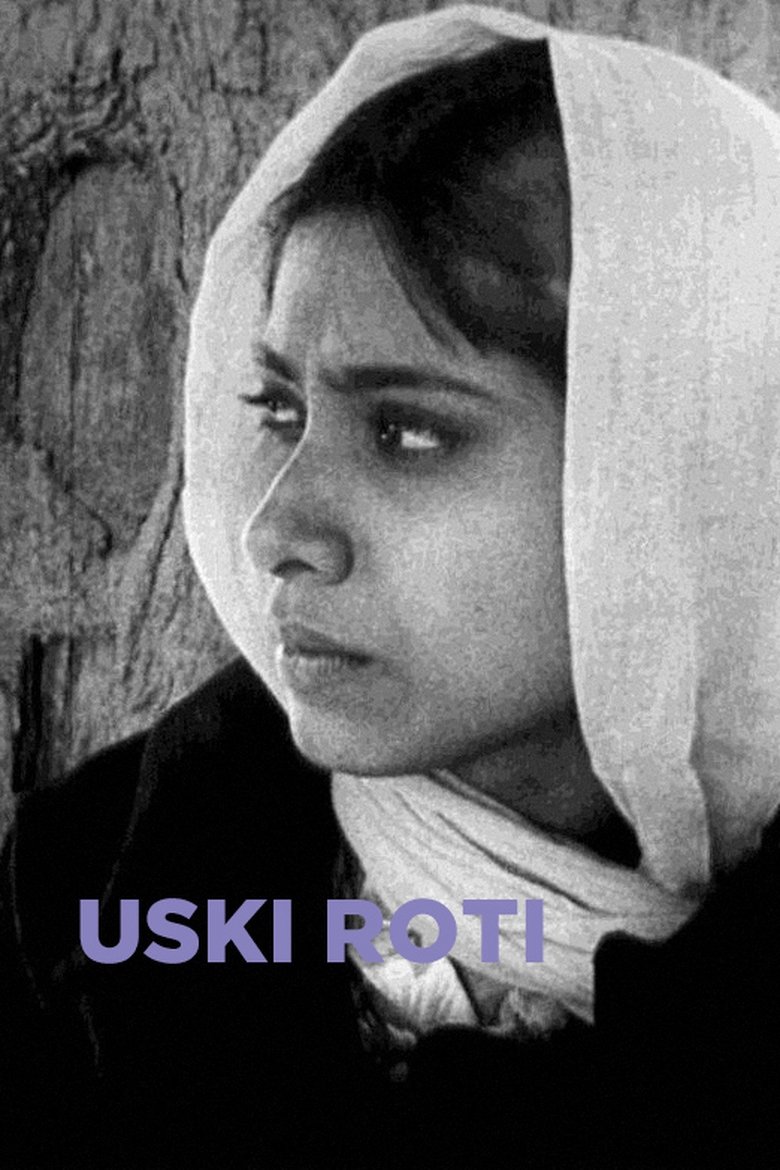
The film depicts the life of a truck driver Sucha Singh and his wife Balo. Balo has to get Sucha Singh's food ready every day, walk a long distance through the fields and wait for him on the highway as he drives past the village. He leads an independent life, playing cards with his friends and spending time with his mistress, and comes home only once a week. However, he expects his wife to play the traditional role of a devoted wife. One day Balo gets late, trying to save her sister from the advances of a lecherous villager. Sucha Singh is angry, and drives away without his food. She decides to wait for him until nightfall.
Overall Score
Good
Category Breakdown
LGBTQ+ Representation
The narrative focuses on the heteronormative domestic struggle between Sucha Singh and Balo. There are no queer narratives or non-cisnormative identities present.
Gender Representation
The film centers on female subjectivity, shifting focus from the male driver's journey to Balo's internal endurance. It subverts traditional hierarchies by portraying the husband as impulsive and unfaithful.
Racial & Ethnic Diversity
The film provides an authentic immersion into rural Indian life. It avoids a Western gaze by utilizing an indigenous rhythmic aesthetic and prioritizing a localized reality.
Religious & Cultural Diversity
The story critiques the traditional family unit by highlighting emotional neglect within a marriage. It emphasizes the psychological toll of domestic labor and rural isolation.
Disability Representation
There are no visible or invisible disabilities depicted as central to the narrative.
Strengths
Areas for Improvement
AI Analysis
Mani Kaul’s work is a significant departure from mainstream 1970s Indian cinema. By centering Balo’s internal life rather than Sucha Singh’s external travels, the film deconstructs the 'devoted wife' trope and prioritizes female interiority. The film also serves as a cinematic reclamation of identity. It rejects Western linear montage in favor of a rhythmic, indigenous aesthetic that captures the sensory experience of rural life. While the film lacks LGBTQ+ or disability-focused storylines, its formalist approach disrupts conventional power dynamics and traditional storytelling hierarchies.
1971
1993
1972
1973
2014
1974
1966
1957
1973
1985
2017

1989
No reviews yet. Be the first to share your thoughts on this movie!
Use the rating form above to leave a star rating and optional review.