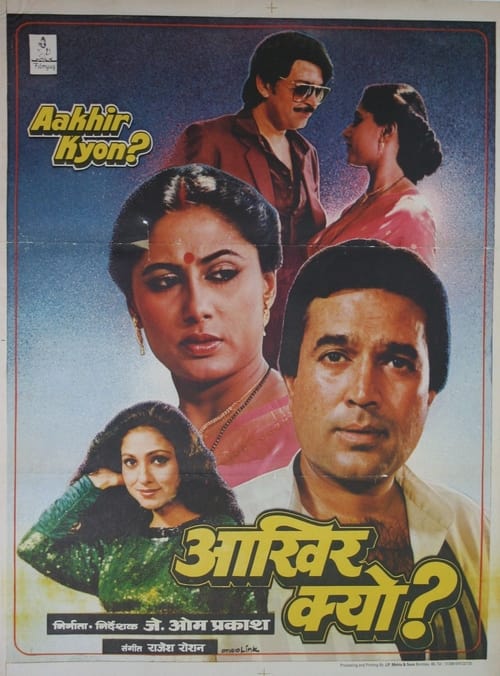
Aakhir Kyon?
1985
No user ratings available yet
Representation score: 4.8 out of 10
Representation Score
Good
1990
Director
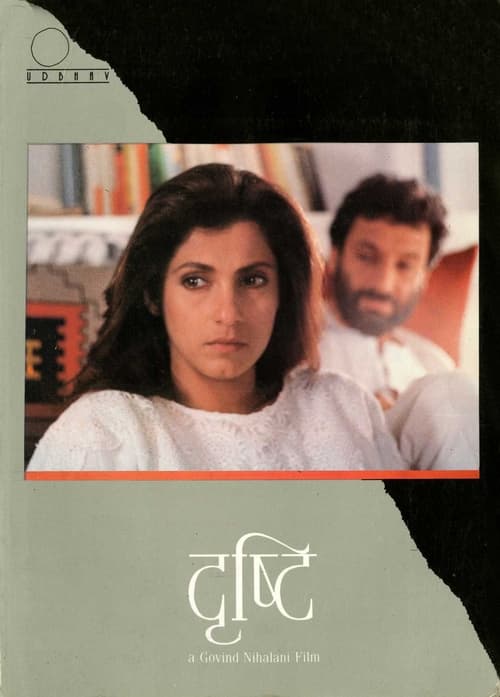
Govind Nihalani
Runtime
171 minutes
Average Rating
No ratings yetNew Showbiz Analysis
Govind Nihalani’s film provides a sophisticated psychological study that deconstructs the middle-class domestic ideal. By prioritizing the interiority of its female lead, the film moves beyond the cliché of the passive wife. This approach offers a nuanced look at how social constraints impact individual identity. While the film excels in its authentic cultural setting and gendered subversion, it remains limited by its narrow focus on straight-centered domesticity. The absence of LGBTQ+ identities and explicit disability representation prevents a more inclusive narrative scope. Ultimately, the film is a progressive piece of Parallel Cinema. It replaces sanitized moralizing with a realistic, complex interrogation of social hierarchies and the fragility of the traditional family unit.
Category Breakdown
The film focuses on heterosexual relationships and does not include any queer narratives. It centers on marital issues and romantic tensions between male and female characters.
The narrative emphasizes the psychological journey of the female protagonist, Sandhya. It challenges traditional gender roles by prioritizing her perspective during the dissolution of her marriage.
The film offers an authentic portrayal of life in Bombay, rooted in Indian social dynamics. It highlights localized ethnic and class identities, avoiding a Western-centric perspective.
The story critiques the stability of capitalist social structures through the breakdown of the nuclear family. It explores moral relativism rather than adhering to a prescriptive religious or cultural code.
The film explores mental distress and psychological trauma as key drivers of character development. However, it does not specifically represent characters with visible or invisible disabilities.
Present on Screen
Limited or Absent
Official Synopsis
Sandhya and Nikhil have been married for eight years and live a wealthy lifestyle in Bombay, along with a daughter, Rashmi. However, their lives change when Nikhil has an affair with his assistant Vrinda and divorces Sandhya.
1985
2003
1988

1989

1993
2002
2007
2006
No reviews yet. Be the first to share your thoughts on this movie!
Use the rating form above to leave a star rating and optional review.