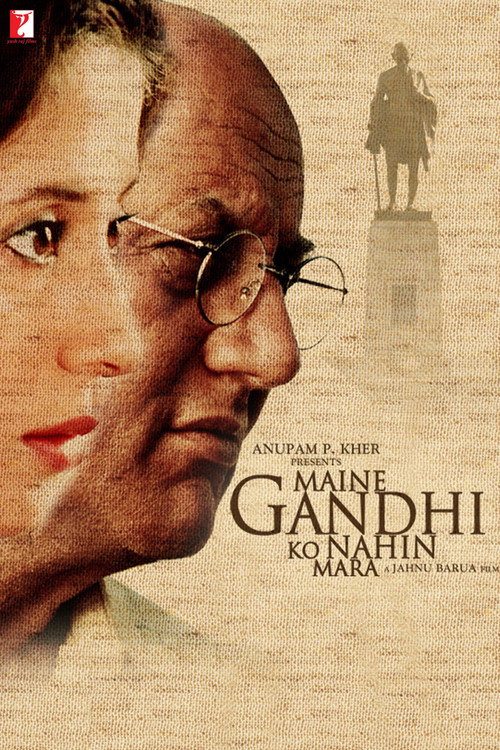
Maine Gandhi Ko Nahin Mara
2005
No user ratings available yet
Representation score: 6.2 out of 10
Representation Score
Good
2001
Director
Goutam Ghose
Runtime
125 minutes
Average Rating
No ratings yetNew Showbiz Analysis
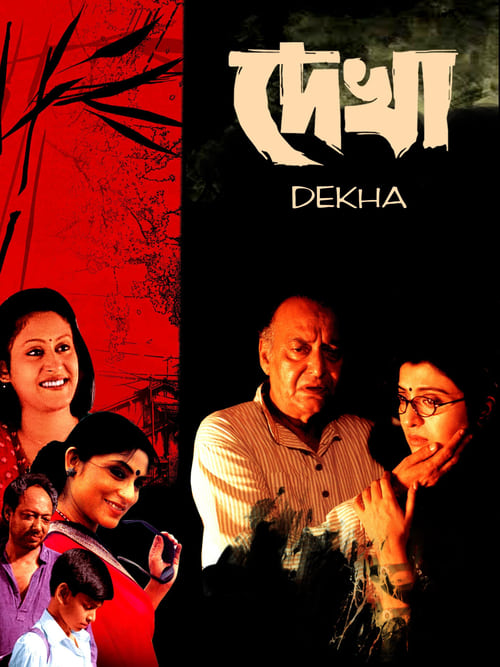
Dekha is a meditative character study that succeeds through its deep regional authenticity and its sophisticated, sensory-driven portrayal of disability. By centering the narrative on a blind poet, the film uses sound to explore memory and the erosion of traditional Bengali culture. While the film excels in cultural specificity and avoids Western-centric clichés, it remains limited by traditional social frameworks. The narrative focuses heavily on male perspectives and adheres to assumptions that everyone is straight or cisgender, offering little exploration of queer identities. Ultimately, the film is a nuanced exploration of class decay and sensory experience. It elevates the drama through its authentic setting and its refusal to caricature the protagonist's disability.
Category Breakdown
The film focuses on traditional romantic relationships and interpersonal dynamics, but does not include non-cisgender identities or queer narratives.
Sarama's secret affair complicates her domestic role, but the narrative mainly centers on male intellectual and musical experiences, positioning women in relation to men.
The film excels in regional authenticity by centering a predominantly Bengali cast and avoiding a homogenized lens, grounding the story in the specific socio-cultural landscape of West Bengal.
The narrative critiques systemic decay through the symbol of a crumbling aristocratic mansion, exploring shifting cultural values by focusing on a vanished arts and literature scene.
Blindness is central to the film's aesthetic, using auditory stimuli to reconstruct the world. This approach grants the protagonist real power rather than treating his condition as mere inspiration.
Present on Screen
Limited or Absent
Official Synopsis
The film revolves around an aging poet Sashi Bhusan Sanyal afflicted with glaucoma and nearly blind whose wife has deserted him because of his reckless lifestyle.
2005

1964
2000

2010
1991

2005

1984

2011
No reviews yet. Be the first to share your thoughts on this movie!
Use the rating form above to leave a star rating and optional review.