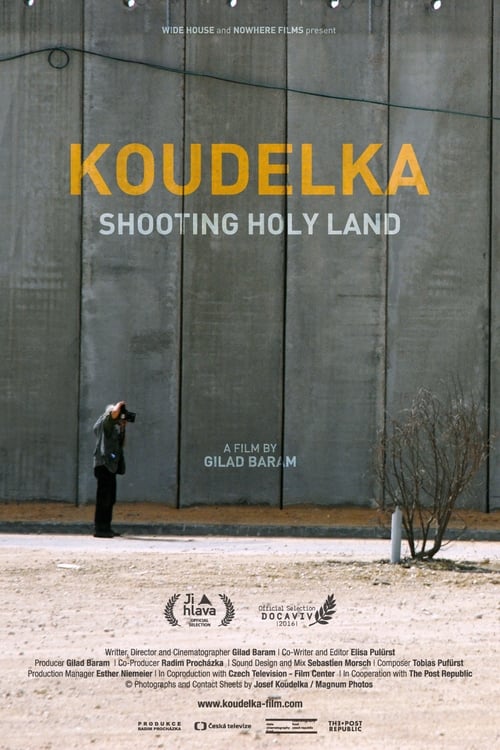
Koudelka Shooting Holy Land
2017
No user ratings available yet
Diversity score: 6.9 out of 10
1965
Director
Nagisa Ōshima
Runtime
24 minutes
Average Rating
No ratings yetSynopsis
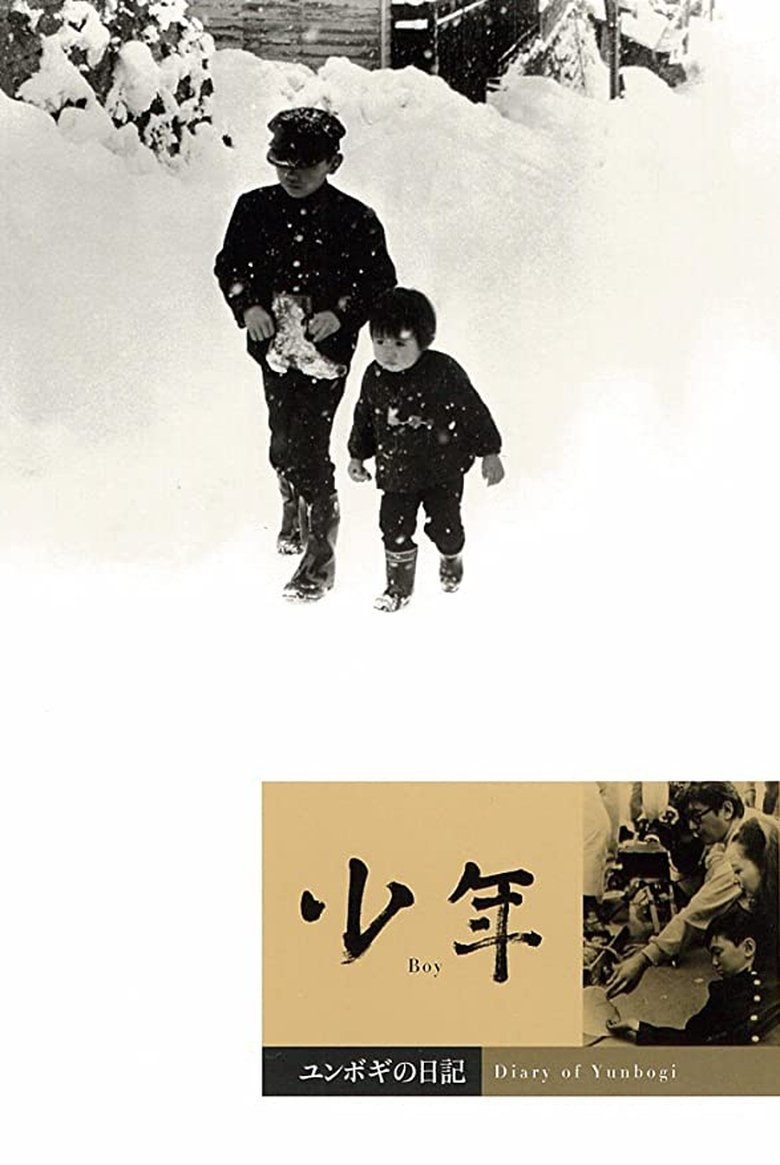
This ethereal montage of still images with darkly somber undertones, Yunbogi’s Diary is based on photographs that Oshima took during his two-month research trip to South Korea in 1965 during which he was haunted by his encounters with impoverished street children in Seoul. The voice-over comprises diary entries from a six-year-old Korean boy and Oshima’s own reflections on Japanese-Korean relations, a controversial subject that he revisited in his later films Sing a Song of Sex and Death by Hanging.
Overall Score
Good
Category Breakdown
LGBTQ+ Representation
The film focuses on the socio-economic realities of poverty and familial survival. There is no explicit evidence regarding the depiction of non-cisnormative identities or same-sex intimacy.
Gender Representation
The narrative centers on a six-year-old boy's struggle to care for his siblings. This disrupts traditional masculine roles by forcing a child into heavy domestic responsibilities.
Racial & Ethnic Diversity
The work centers a Korean perspective, exploring the complexities of Japanese-Korean relations. It uses documentary-style photography to highlight the lived experiences of a marginalized ethnic group.
Religious & Cultural Diversity
The film critiques systemic inequality and historical trauma through a post-colonial lens. It challenges nationalist narratives by focusing on the unseen casualties of economic and political shifts.
Disability Representation
The film provides no information regarding the depiction of physical, neurodivergent, or mental health conditions.
Strengths
Areas for Improvement
AI Analysis
Nagisa Ōshima’s experimental montage uses the imagined diary of a Korean child to dismantle monolithic views of national identity. By centering a marginalized subject, the film provides a profound critique of post-war systemic pressures. The work excels in its intersectional approach to history and class. It avoids sanitized views of the landscape, instead emphasizing the historical responsibility and the burden of poverty faced by the Korean population. While the film is a powerful social commentary, it lacks visibility regarding LGBTQ+ identities and specific disability representation. The focus remains strictly on socio-economic survival and ethnic identity.
2017
1964
1983
2010
1972
2005

1963
1984
2010
2017
1995
2016
No reviews yet. Be the first to share your thoughts on this movie!
Use the rating form above to leave a star rating and optional review.