Sex Slaves Frontline
2006
No user ratings available yet
Representation score: 5.5 out of 10
Representation Score
Good
2017
TV-14Director
Jason Y. Lee
Runtime
61 minutes
Average Rating
No ratings yetNew Showbiz Analysis
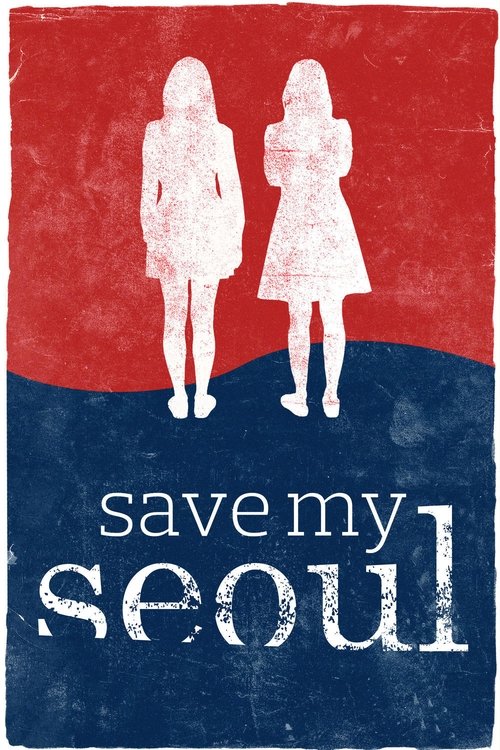
Save My Seoul is a powerful investigative documentary that shifts the focus from passive victims to active agents of change. By centering the experiences of Crystal and Esther, the film challenges traditional hierarchies often found in stories about sex work. The film excels in its multi-layered approach, utilizing a Korean-American lens to critique systemic failures within South Korea. This perspective allows for a deep deconstruction of how government and culture enable human rights injustices. While the film lacks explicit LGBTQ+ representation or disability narratives, its strength lies in its systemic critique. It moves beyond simple representation to dismantle the perceived stability of state-sanctioned morality.
Category Breakdown
The film focuses on the sex trade and gendered exploitation. It does not include any explicit evidence of non-traditional gender identities or specific LGBTQ+ narratives.
The narrative centers on women's roles as active investigators, positioning Crystal and Esther as key figures driving the story. This challenges traditional stereotypes by focusing on their proactive actions rather than their victimization.
The documentary offers a nuanced look at ethnic identity by centering Korean-American perspectives. It avoids Western savior clichés by featuring protagonists deeply connected to the local social landscape.
The film critiques South Korean government and cultural norms that overlook human rights injustices. It prioritizes a structural critique of state power over religious condemnation.
There is no mention of characters or subjects navigating physical, neurodivergent, or mental health disabilities in the provided material.
Present on Screen
Limited or Absent
Official Synopsis
Eddie and Jason, two Korean-American brothers get in over their heads when they are called to Korea to make a short film on prostitution and sex-trafficking. Things get complicated when they meet Crystal and Esther, two prostitutes who reveal just how deep the problem goes and set off on a dangerous mission to capture the truth. With the use of hidden cameras and access to pimps, johns, and sex-workers, the filmmakers explore and unravel the complexity of the sex trade in Seoul. They learn that this problem is rooted in issues far deeper than exploited girls and lustful men. Instead, it's a consequence of a culture and government that condones and turns a blind eye to the biggest human injustice of our time.
2006
2020

2013
2019

2013
2004
2006
2012
No reviews yet. Be the first to share your thoughts on this movie!
Use the rating form above to leave a star rating and optional review.