
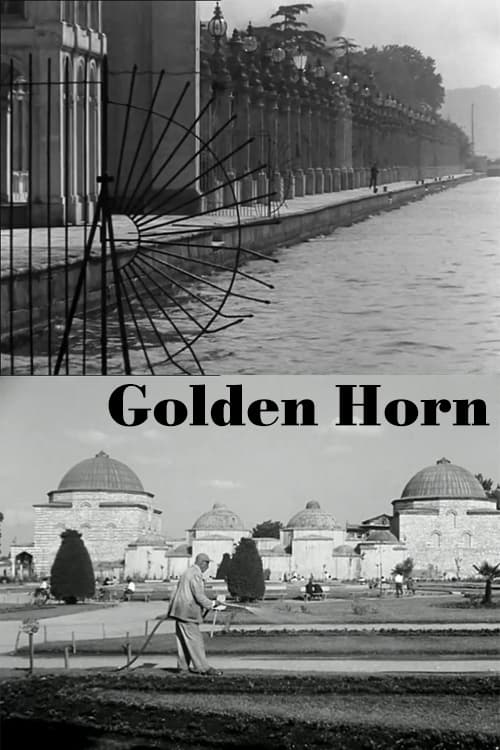
Bosphore
1964
No user ratings available yet
Representation score: 1.5 out of 10
Representation Score
Good
1964
Director
Maurice Pialat
Runtime
11 minutes
Average Rating
No ratings yetNew Showbiz Analysis
Maître Galip stands out through its commitment to social realism, moving away from detached historical observation toward an empathetic study of the Istanbul working class. By utilizing the poetry of Nazim Hikmet, the film centers the dignity of the economically disenfranchised and the unemployed. The documentary excels in its cultural and ethnic representation, avoiding a touristic or colonial perspective by using an internal, poetic narrative. This approach grants a significant role in driving the story to its Turkish subjects, framing their struggles as central human experiences. However, the film's narrow focus on socioeconomic status leaves other dimensions of identity, such as LGBTQ+ representation and disability, unaddressed. While it disrupts traditional power hierarchies, it remains primarily a study of class rather than a broad exploration of diverse personal identities.
Category Breakdown
The film focuses on socioeconomic struggles rather than sexual orientation. There is no explicit evidence of LGBTQ+ identities or narratives that challenge the assumption that everyone is straight or cisgender.
By centering the unemployed and the poor, the film avoids traditional 'Great Man' historical clichés. This approach potentially allows for female perspectives within Istanbul's labor and domestic spheres.
The documentary provides a significant role in driving the story to non-Western subjects by centering Turkish citizens. It avoids a colonial lens, instead utilizing an internal, poetic perspective of local identity.
The film critiques capitalist structures by prioritizing the emotional realities of those who are harmed by broader social or institutional forces. Using Nazim Hikmet’s poetry reinforces a narrative of systemic struggle and social empathy.
There is no specific information regarding the depiction of physical or neurodivergent disabilities in this work.
Present on Screen
Limited or Absent
Official Synopsis
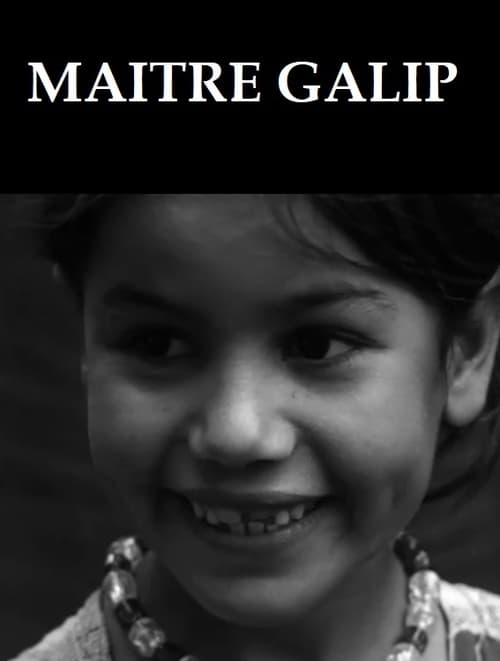
Maître Galip is the most poetic and powerful of Pialat's Turkish Chronicles, using the poems of Nazim Hikmet to accompany a series of evocative images of ordinary working class people in Istanbul. This was the film that Pialat himself claimed was the most complete realization of what he was aiming for with his Turkish documentaries. It's not difficult to see why this was his favorite: here he abandons the historical commentary and documentary observation of the other shorts in favor of an emotional emphasis on the lives of the poor and the unemployed.
1964

2017
1964
1964
1974
1991
1966
1964
No reviews yet. Be the first to share your thoughts on this movie!
Use the rating form above to leave a star rating and optional review.