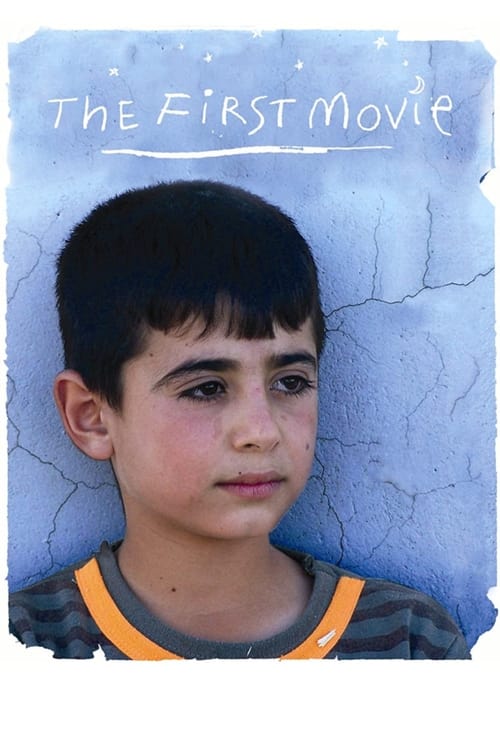
The First Movie
2009
No user ratings available yet
Representation score: 6.8 out of 10
Representation Score
Good
2010
Not RatedDirector
Oliver Laxe
Runtime
78 minutes
Average Rating
No ratings yetNew Showbiz Analysis
Oliver Laxe’s documentary functions as a meta-commentary on the power dynamics between a Western filmmaker and his subjects. By centering on children from a social center in Tangiers, the film disrupts traditional observer-observed hierarchies. The project's evolution into a 'degeneration' of the initial relationship serves as a critique of extractive filmmaking. The film's strength lies in its refusal to treat its North African subjects as passive objects. Instead, the children possess an inherent ability to act that resists being controlled by a structured cinematic project. This approach challenges the homogenization often found in depictions of the Global South. While the film excels in racial and cultural ability to act, it remains neutral regarding LGBTQ+ and gender-specific subversions. It prioritizes sensory experience and complex human dynamics over overt identity politics.
Category Breakdown
The documentary doesn't include explicit LGBTQ+ character arcs or queer-coded narratives. The score represents a neutral baseline where no specific identity-based clichés are used or challenged.
By focusing on the raw interactions of youth, the film bypasses many performative adult gender roles. However, it does not explicitly center on the subversion of gendered power dynamics.
The film provides high ability to act to a North African cast in Tangiers. It resists the Western gaze by allowing the subjects' unpredictable behaviors to dictate the film's trajectory.
The narrative highlights the tension between Western filmmaking methods and local social realities. It avoids Western-centric morality, embracing a more subjective, observational truth regarding social structures.
There is no significant evidence regarding the portrayal of visible or invisible disabilities within the film's thematic elements.
Present on Screen
Limited or Absent
Official Synopsis
A European director is making a film with children from a social center in Tangiers. Because of his methods, his relationship with the children during shooting degenerates and transforms the evolution of the project.
2009

2002
2010
2010

2025
2004
2024

2020
No reviews yet. Be the first to share your thoughts on this movie!
Use the rating form above to leave a star rating and optional review.