Ishibumi
2015
No user ratings available yet
Representation score: 6.1 out of 10
Representation Score
Fair
2016
TV-14Director
Max Esposito, Barry Frechette
Runtime
60 minutes
Average Rating
No ratings yetNew Showbiz Analysis
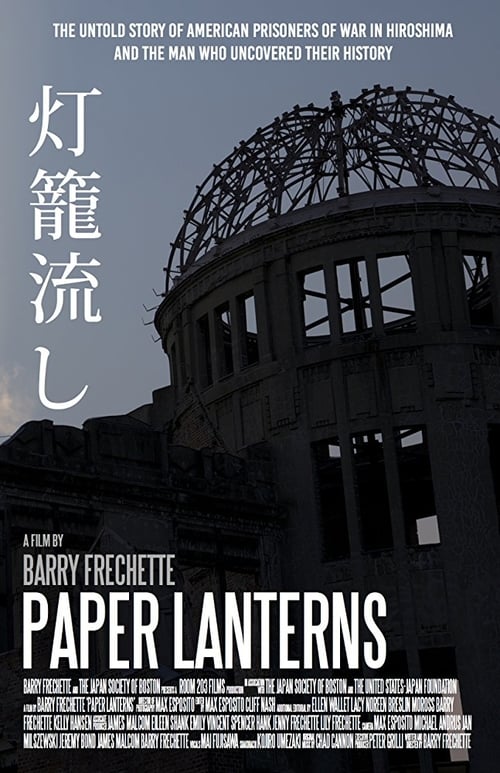
Paper Lanterns succeeds as a piece of restorative narrative by pivoting the lens of a major historical event away from a dominant Western perspective. By centering a Japanese protagonist, the film facilitates a more complex understanding of the Hiroshima blast's aftermath. While the film excels in racial and cultural engagement, it remains limited in its exploration of gender and LGBTQ+ identities. The focus stays strictly within the bounds of historical memorialization and the shared human experience of systemic catastrophe. Ultimately, the documentary moves beyond simple patriotic clichés to explore the intersection of Japanese ability to act and American historical trauma.
Category Breakdown
The documentary focuses on historical memorialization rather than identity-based storytelling. There is no explicit evidence of LGBTQ+ characters or narratives present in this specific historical quest.
The narrative centers on the role of male prisoners of war and a male protagonist. It lacks specific details regarding female perspectives or challenges to traditional gender hierarchies.
The film provides high racial ability to act by centering a Japanese perspective. This disrupts conventional Western-dominated historical accounts and challenges monolithic nationalistic narratives through cross-cultural engagement.
The film explores complex themes of subjective morality and deconstructs traditional wartime heroism. It prioritizes humanistic values and individual remembrance over triumphalist Western patriotism.
There is no evidence that neurodivergence, physical disability, or mental health conditions serve as central themes or character drivers in this work.
Present on Screen
Limited or Absent
Official Synopsis
A Japanese man's quest to memorialize the 12 American POWs who were killed by the Hiroshima blast.
2015
1998
1986
1989

2010
1991
1987
2014
No reviews yet. Be the first to share your thoughts on this movie!
Use the rating form above to leave a star rating and optional review.