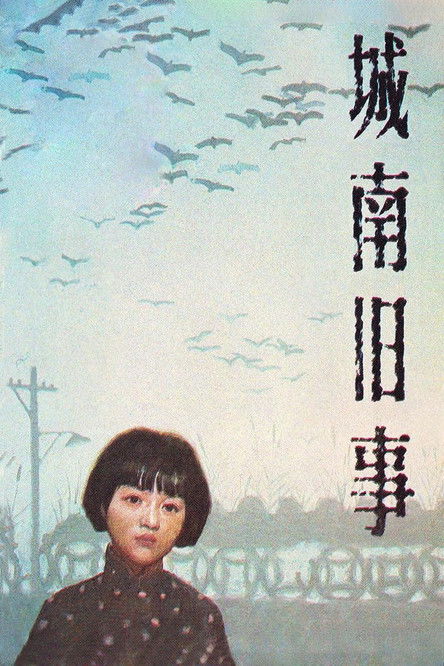
My Memories of Old Beijing
1983
No user ratings available yet
Representation score: 7.9 out of 10

Representation Score
Good
1949
Director
Yoon Yong-gyu
Runtime
77 minutes
Average Rating
No ratings yetNew Showbiz Analysis
A Hometown in Heart provides a meaningful look at mid-century Korean cinema by focusing on Buddhist traditions. It moves away from Western narrative expectations by exploring grief and non-traditional family bonds through the relationship between a widow and an orphan. The film successfully presents a non-mainstream viewpoint, using local spiritual frameworks to explore emotional truths. However, it operates within the social constraints of 1949. While it delves into unconventional emotional bonds, it lacks explicit representation of LGBTQ+ identities or detailed accounts of physical disabilities.
Category Breakdown
The film doesn't explicitly show non-straight relationships. It focuses on a widow and an orphan, emphasizing traditional roles of grief and care.
The widow plays a key role in the emotional storyline. She drives the narrative through her mourning and bond with the orphan.
The film highlights a non-Western perspective centered around Korean social and spiritual structures. This contrasts with the Western-centric films of the time.
Using a Buddhist temple, the film emphasizes spiritualism over Western secular models. It explores finding a sense of home through temporary or chosen connections.
The orphan's situation suggests a systemic vulnerability and social displacement. It's unclear if these characters have full control over their lives or if they mainly serve for emotional impact.
Present on Screen
Limited or Absent
Official Synopsis
An orphan left in the care of a Buddhist temple becomes attached to a young widow who arrives there to mourn her recently deceased son.
1983

1936
1941
1957
1938

1937
1956

1919
No reviews yet. Be the first to share your thoughts on this movie!
Use the rating form above to leave a star rating and optional review.