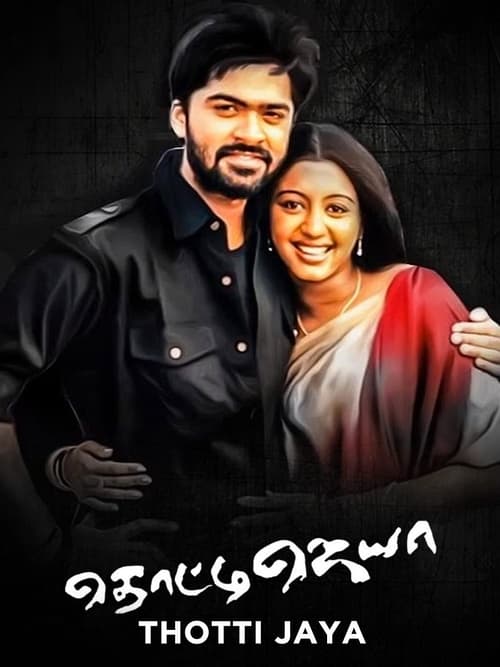
Thotti Jaya
2005
No user ratings available yet
Representation score: 2.3 out of 10
Representation Score
Fair
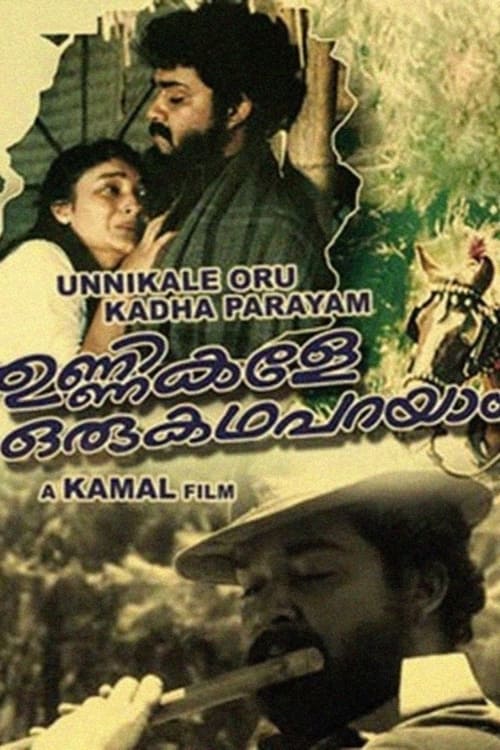
1987
Director
Kamal
Runtime
118 minutes
Average Rating
No ratings yetNew Showbiz Analysis
Kamal’s drama focuses on humanistic empathy and regional authenticity. It succeeds in grounding its characters within a specific cultural reality, particularly through its depiction of the Malayali community and the struggles of street children. However, the film operates strictly within the social and narrative frameworks of the 1980s. It lacks representation for LGBTQ+ identities and does not attempt to deconstruct traditional gender roles or systemic hierarchies. Ultimately, the film is a character-driven study of individuals facing exclusion that prioritizes emotional realism over the subversion of established cultural norms.
Category Breakdown
The film follows a traditional romantic arc between Aby Abraham and Annie Mol. It lacks diverse representations of gender identities or narratives that question the assumption that everyone is straight or cisgender.
Annie Mol plays a central role in the protagonist's emotional journey, but the film upholds traditional social hierarchies. It does not explicitly challenge conventional gender roles.
The cast authentically represents the Malayali demographic. This cultural specificity underscores the socioeconomic struggles within the lived experience of Kerala.
The drama highlights the systemic neglect of those outside traditional family structures. It critiques social neglect through a conventional moral framework.
The film explores the 'social disability' of orphanhood and precarious living conditions. Characters are treated with empathy rather than being used as mere plot devices.
Present on Screen
Limited or Absent
Official Synopsis
The story of an orphan Aby Abraham who takes care of street kids and orphans like him. They earn a livelihood by performing street acts. When he meets Annie Mol and both fall in love with each other, Aby’s life changes forever.
2005

1988

2015

1921
1968
2003
1954

2005
No reviews yet. Be the first to share your thoughts on this movie!
Use the rating form above to leave a star rating and optional review.