
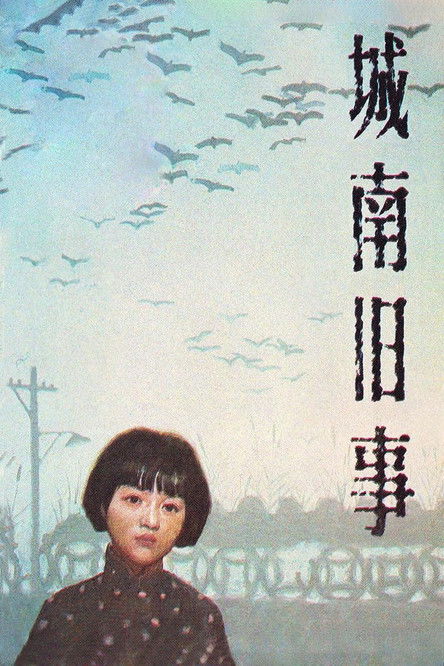
Border Town
1984
No user ratings available yet
Representation score: 2.2 out of 10
Representation Score
Good
1983
Director
Wu Yigong
Runtime
96 minutes
Average Rating
No ratings yetNew Showbiz Analysis
Wu Yigong’s film goes beyond a straightforward memoir by focusing on characters on the fringes of society. Through the lens of a displaced family and a grieving widow, it explores how broader social circumstances shape individual lives. The film provides a nuanced, non-Western perspective on historical social dynamics. It emphasizes emotional authenticity and the specificities of the hutong lifestyle over rigid moralities or conventional storytelling structures. Although the film does not feature LGBTQ+ characters, it successfully gives significant emotional weight to female experiences and the psychological impacts of social displacement.
Category Breakdown
The film does not include any explicit LGBTQ+ characters or non-straight relationships. Instead, it centers on the traditional roles and grief of a widow within a family setting.
The film highlights the strength and resilience of women through the widow's role. She actively resists moving past her loss, challenging the notion of women being passive figures in domestic life.
The cast primarily consists of actors from similar cultural backgrounds, reflecting a localized Chinese production. It offers an authentic depiction of Beijing life without adopting a Western perspective.
The film delves into the complexities of social structures and personal morality through the widow's grief. It critiques how traditional societal norms and isolation affect individuals.
The film addresses mental health issues through the widow's grief-induced psychological struggles. It avoids simplifying her condition and instead uses it to enhance the emotional depth of the story.
Present on Screen
Limited or Absent
Official Synopsis
It is the late 1920s when six-year-old Yingzi and her family move to Beijing. As Yingzi explores the busy streets and alleys, she befriends a widow who, driven mad by grief, stands vigil at the entrance of her hutong, waiting for her missing daughter to return.
1984
1985
1998
1936
2005
1937
2010

1949
No reviews yet. Be the first to share your thoughts on this movie!
Use the rating form above to leave a star rating and optional review.