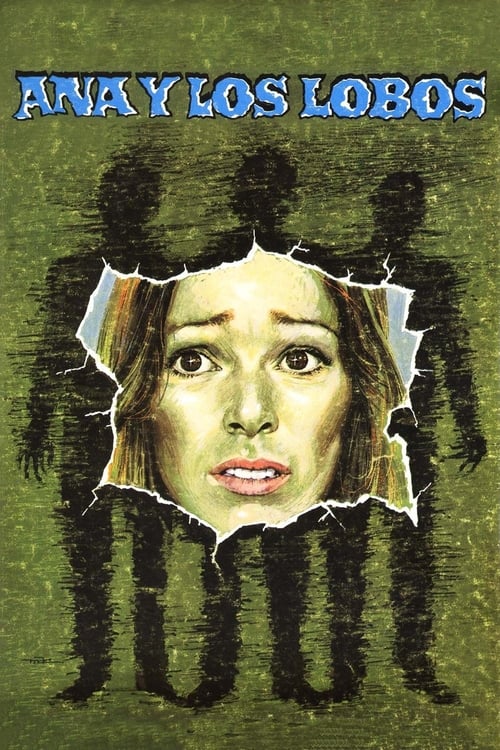
Anna and the Wolves
1973
No user ratings available yet
Representation score: 6.2 out of 10
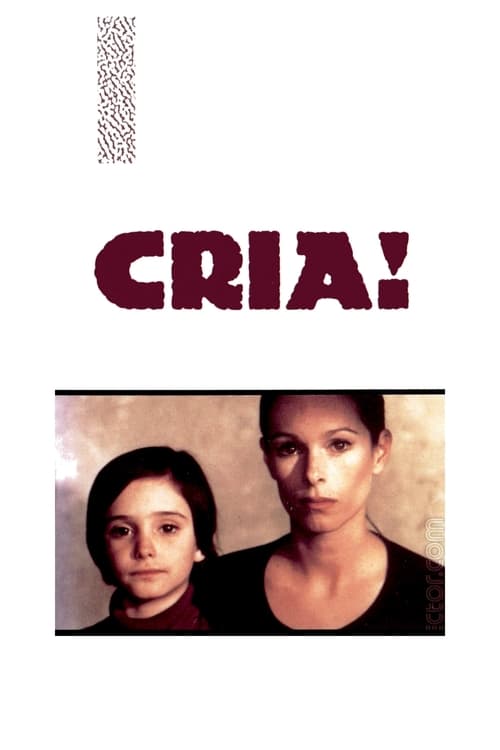
Representation Score
Good
1976
PGDirector
Carlos Saura
Runtime
105 minutes
Average Rating
No ratings yetNew Showbiz Analysis
Carlos Saura’s film stands out for its intellectual critique of social and familial institutions. Using a child's viewpoint, it challenges established authority and traditional domestic norms, offering deep psychological insight. However, the film is limited by its lack of diverse representation. Set in a homogeneous Spanish society, it results in low scores for racial and ethnic diversity. Overall, the work is a sophisticated critique of repression. It prioritizes a nuanced rejection of singular moralities and rigid social hierarchies over broad representation.
Category Breakdown
The film doesn't include obvious LGBTQ+ identities or relationships but touches on themes of hidden desires and the pressure of straight social norms during the Franco era.
Saura challenges traditional gender roles by focusing on a young girl's perspective. The film shows the home as a place of strong emotions rather than calm stability.
Set in 1970s Madrid, the film reflects the uniform society of the time. It lacks racial or ethnic diversity, mirroring the national isolation of the era.
The film questions traditional Western and institutional structures, showing the family as a place where strict rules and repression exist. It breaks down the idea of the household as a sacred institution.
The film provides a detailed look at psychological trauma and neurodivergence. The protagonist's unpredictable perception of reality is shown with strength rather than being seen as a problem.
Present on Screen
Limited or Absent
Official Synopsis
Ana, an eight-year-old girl living in Madrid with her grandmother and two sisters, mourns the death of her mother.
1973
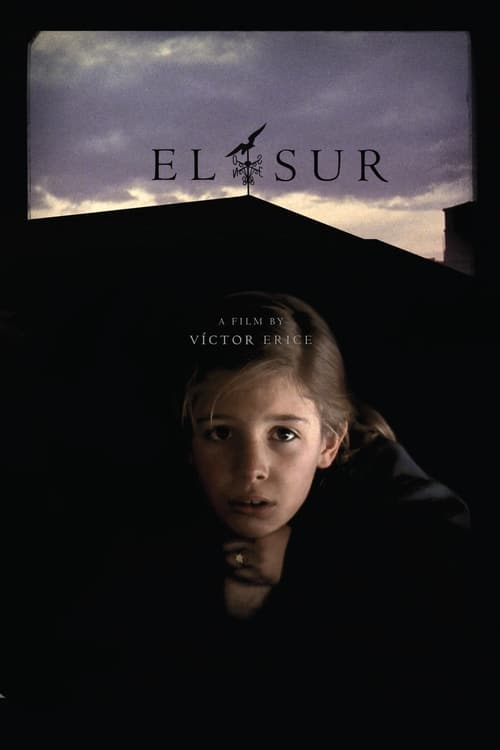
1983
1974
2017
2011
2021
1963
1987
No reviews yet. Be the first to share your thoughts on this movie!
Use the rating form above to leave a star rating and optional review.