
The Fourth Portrait
2010
No user ratings available yet
Representation score: 6.3 out of 10
Representation Score
Good
2003
Director
Joo Kyeong-joong
Runtime
102 minutes
Average Rating
No ratings yetNew Showbiz Analysis
A Little Monk is a character-driven drama highlighting the tension between religious asceticism and human attachment. It emphasizes spiritual realism over the deconstruction of social hierarchies or identity politics. The film operates within a specific South Korean cultural and religious framework. While it doesn’t challenge traditional norms, it provides a deep exploration of individual ability to act within a traditional institution. Ultimately, the narrative focuses on maternal connections and monastic life, avoiding disruption of established social or gender norms.
Category Breakdown
The story centers on monastic discipline and family bonds. It doesn't include explicit depictions of non-traditional gender identities or critiques of heterosexual relationships.
The film contrasts the male-dominated monastery with the influential role of a wealthy widow. Traditional gender roles are maintained throughout the story.
As a South Korean production, the cast is ethnically uniform. The film explores universal themes of suffering and attachment within its cultural context.
The film presents a detailed look at Buddhist traditions and spiritual challenges. It avoids Western moral viewpoints by focusing on the complexities of detachment and human connection.
There are no explicit depictions of physical or neurological differences. The protagonist’s struggles are portrayed as emotional and existential rather than clinical.
Present on Screen
Limited or Absent
Official Synopsis
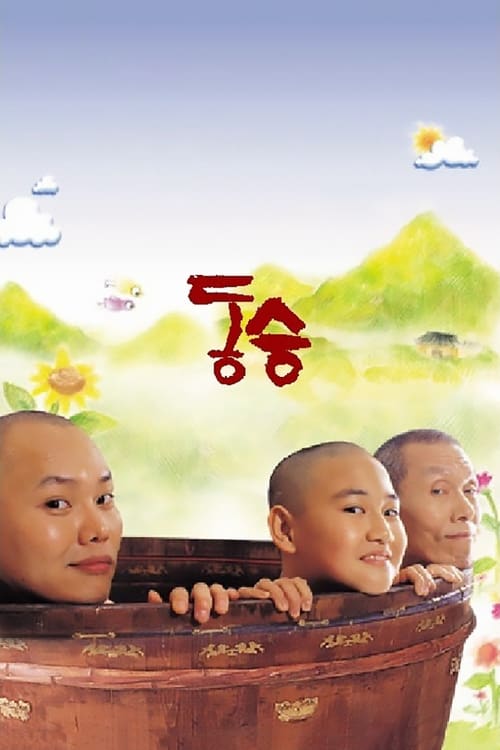
A nine-year old monk, Do-nyum, has lived most of his lonely life in a quiet mountain monastery under his elderly master. Though put under a strict regimen of Buddhist teachings, meditation and chores, the child cannot help but to think of his mother, whom he cannot remember but misses dearly and hopes to be reunited with one day. He also wishes that he could be like the other children who live nearby and play games and attend school. Do-nyum's other companion is an older monk named Jung-sim, who is also struggling with staying on the path of enlightenment. The temple's groundskeeper keeps reassuring Do-Nyum that his mother will come back someday. But Do-nyum, sick of waiting for a mother who may never return, agrees to be adopted by the monastery's benefactor, a wealthy widow who visits the temple every year to mourn her late son.
2010
1955
2003

1999
1989

2005
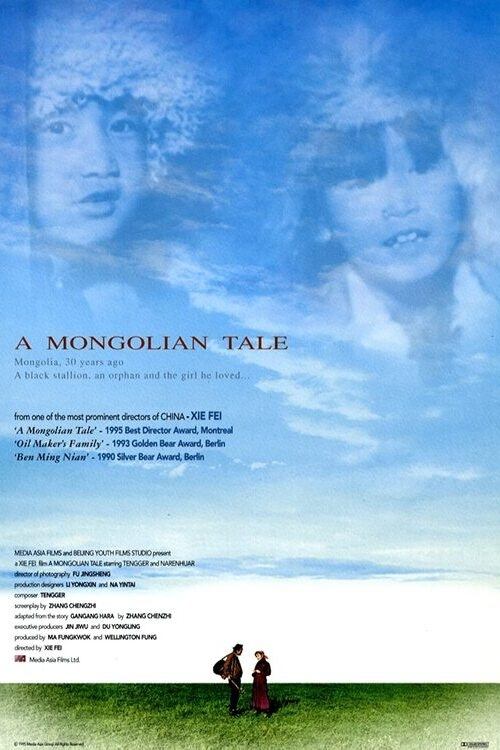
1995
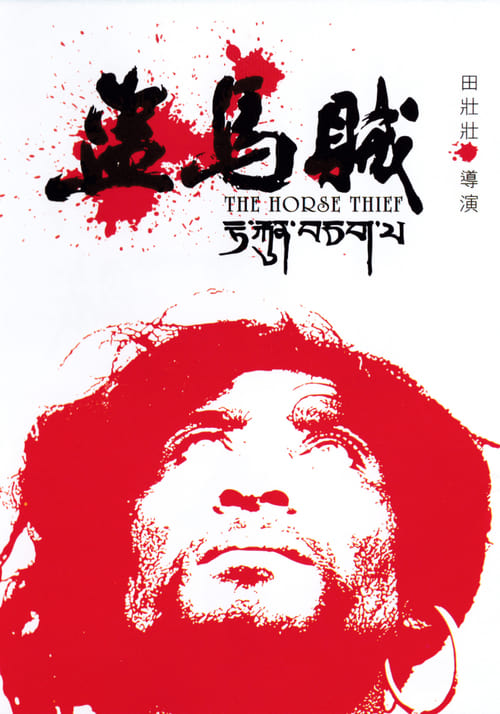
1986
No reviews yet. Be the first to share your thoughts on this movie!
Use the rating form above to leave a star rating and optional review.