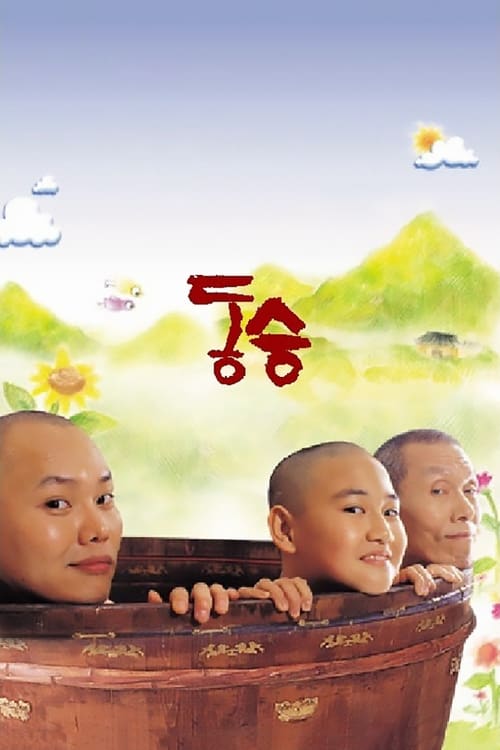
A Little Monk
2003
No user ratings available yet
Representation score: 6.2 out of 10

Representation Score
Good
2010
Director
Chung Mong-hong
Runtime
105 minutes
Average Rating
No ratings yetNew Showbiz Analysis
This film is a sophisticated, character-driven drama that focuses on psychological depth rather than broad demographic variety. It excels in its nuanced portrayal of cognitive disability and its postmodern deconstruction of truth and identity. While the narrative lacks LGBTQ+ representation and multi-ethnic casting, it avoids superficial clichés. Instead, it provides an authentic, localized Taiwanese perspective that challenges the viewer to see identity as a subjective construct. Ultimately, the film's strength lies in its ability to subvert traditional power dynamics and rigid moral structures through its unique narrative structure.
Category Breakdown
The film does not include any LGBTQ+ characters or explore non-straight relationships. The emotional core revolves around a traditional relationship between a male photographer and a female subject.
The story centers on a female protagonist's internal struggle with memory, disrupting traditional gender hierarchies. The male lead supports her journey rather than taking a controlling role.
The cast is predominantly Taiwanese, offering a localized and authentic representation. While it avoids Western-centric casting, it does not actively seek out multi-ethnic diversity.
The film uses postmodernism to question the stability of memory and objective truth. It emphasizes individual experience and subjective morality over fixed, institutional beliefs.
Amnesia is a central part of the protagonist's identity, not just a plot device. The film explores the psychological impact of cognitive impairment with dignity.
Present on Screen
Limited or Absent
Official Synopsis
Ten year-old Xiang faces a lonely future after his father dies. Just when he thinks he's going to spend his life in the orphanage, his estranged mother shows up. And his life changes forever... A loveless mother, a hateful stepfather, a chilly home. Where's Xiang heading to? He finds comfort in drawing and his work reveals his longing for care and affection. Life is full of hope again when he meets the old school janitor who doesn't show his kindness easily and a portly man who has crazy ideas and is haunted with nightmares of his brother. A scary truth is about to be unmasked. Will Xiang be able to depict his own image in the fourth portrait?
2003
2014
2015
1995
2004
2023
2016
2004
No reviews yet. Be the first to share your thoughts on this movie!
Use the rating form above to leave a star rating and optional review.