
A Buddha
2005
No user ratings available yet
Diversity score: 5.7 out of 10
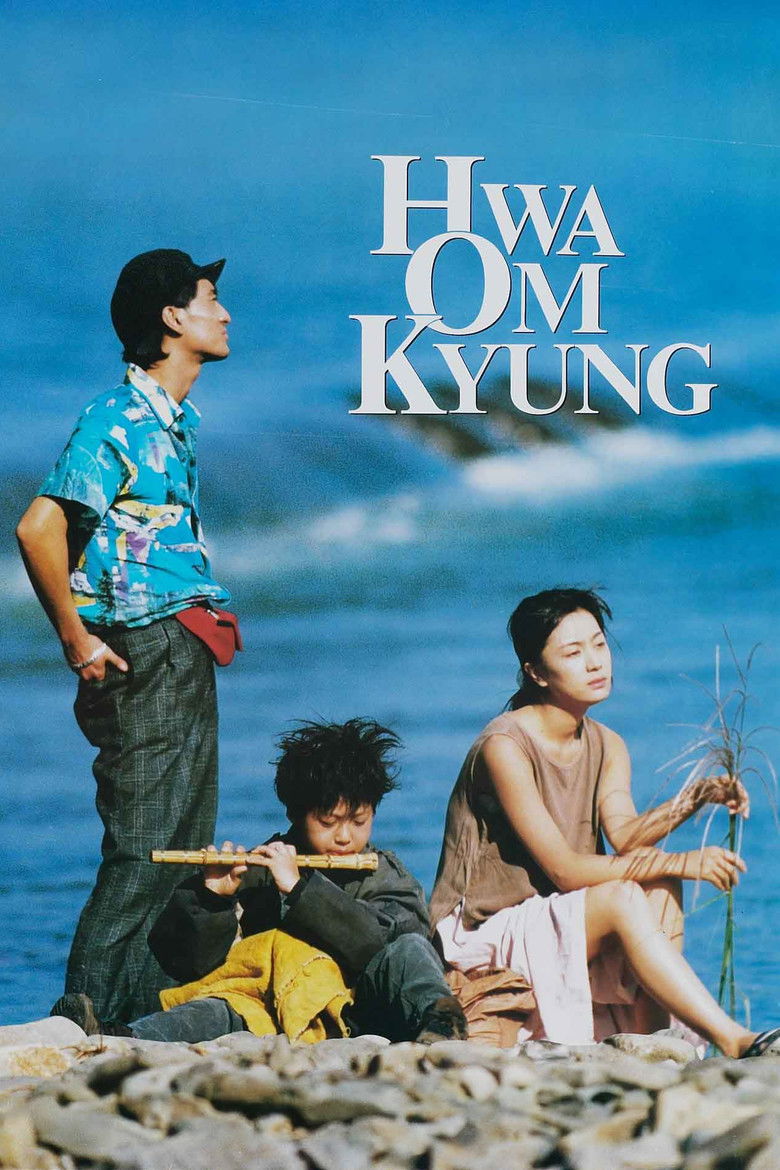
1993
Director
Jang Sun-woo
Runtime
126 minutes
Average Rating
No ratings yetSynopsis
A young boy mourns the death of his father, and begins a quest to find his mother. He encounters many people on the way who quote Buddhist precepts: an eccentric monk, a girl who grows up into a young woman, a prison inmate, a foul-mouthed doctor and the young son of a hard drinking astronomer. Each of them tell the boy to seek someone to help him find the truth and his mother.
Overall Score
Fair
Category Breakdown
LGBTQ+ Representation
The narrative prioritizes existential longing and spiritual quests over sexual identity. There is no explicit evidence of LGBTQ+ characters or non-heteronormative identities within the story.
Gender Representation
The film disrupts traditional domestic hierarchies by placing characters in a desolate setting where family structures have collapsed. Interpersonal dynamics focus on survivalism rather than submissive gender roles.
Racial & Ethnic Diversity
The production features a predominantly Korean cast rooted in South Korean cultural landscapes. It centers a non-Western perspective, moving away from Anglo-Saxon storytelling models.
Religious & Cultural Diversity
Buddhist imagery serves as a philosophical framework to critique materialist and capitalist structures. The film promotes a secularized spirituality that challenges modern societal institutions.
Disability Representation
Characters experience extreme physical and psychological hardship, yet no specific disabilities are central to the plot. The struggle is largely systemic and existential in nature.
Strengths
Areas for Improvement
AI Analysis
Passage to Buddha is a postmodern critique of modernity that succeeds by deconstructing Western-centric narrative norms. Its strength lies in a spiritually fluid landscape that replaces traditional moral certainties with complex, subjective truths. While the film lacks explicit representation for LGBTQ+ and disability categories, it offers a robust cultural perspective. By utilizing Buddhist precepts as a narrative engine, it provides significant agency to non-Western philosophical traditions. The film's portrayal of gender and family is bleak and volatile, favoring survivalism over traditional domesticity. This approach offers a nuanced, if desolate, view of human connection.
2005
2001

1972
2011
1996
2008
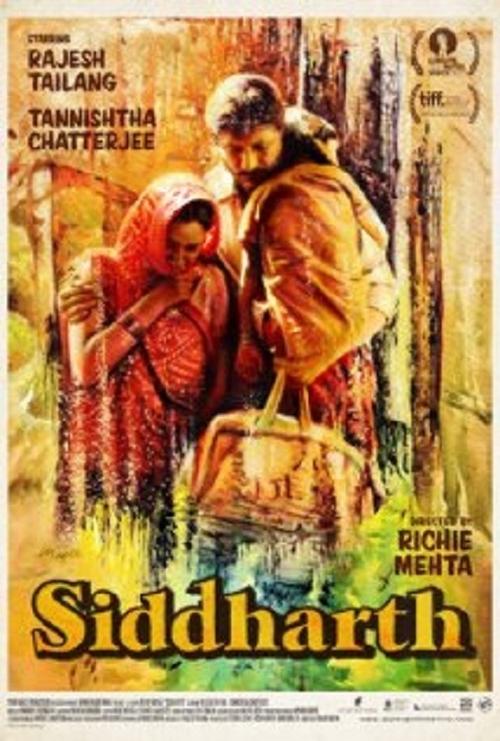
2013
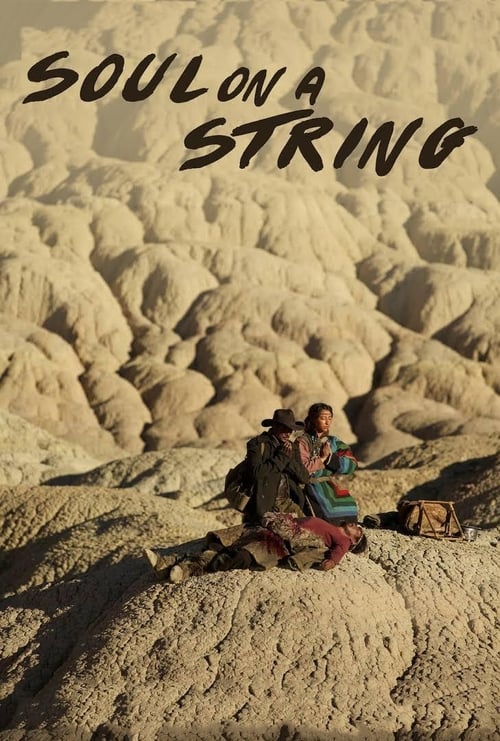
2016
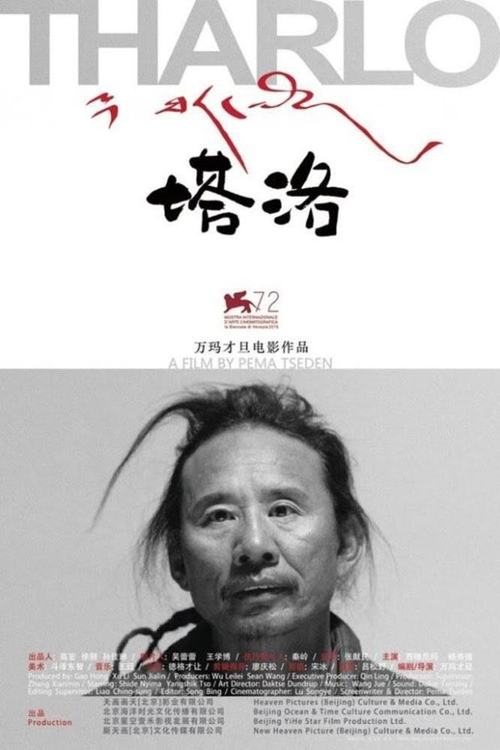
2015
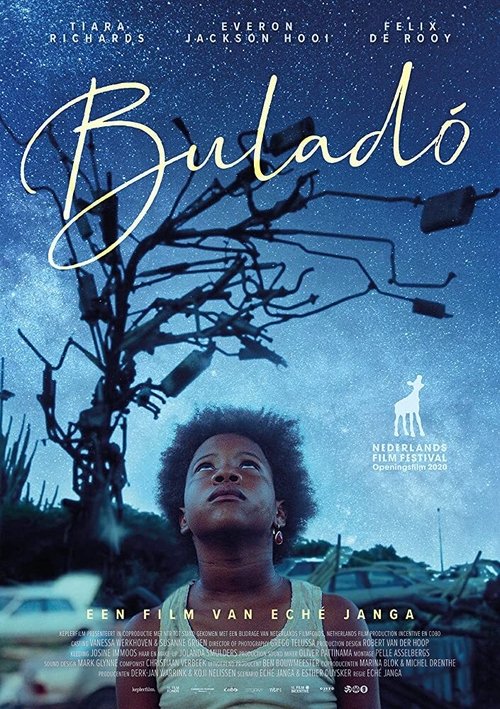
2020

2007

2013
No reviews yet. Be the first to share your thoughts on this movie!
Use the rating form above to leave a star rating and optional review.