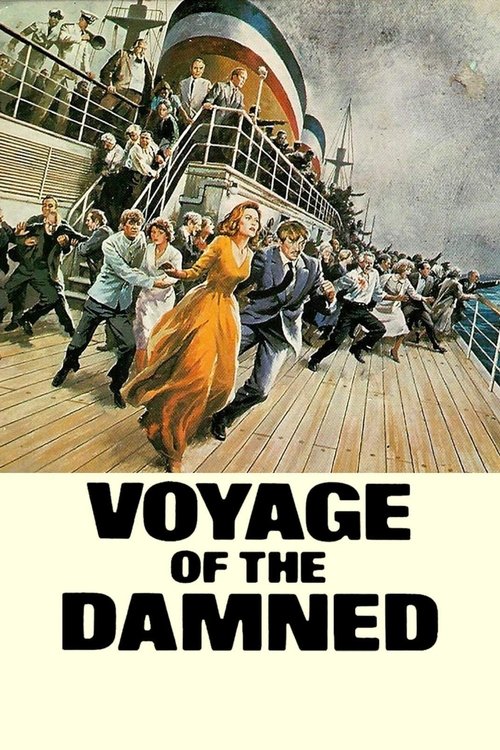
Voyage of the Damned
1976
No user ratings available yet
Representation score: 1.9 out of 10

Representation Score
Limited
1960
Director
Frank Wisbar
Runtime
99 minutes
Average Rating
No ratings yetNew Showbiz Analysis
Darkness Fell on Gotenhafen is a historical tragedy that prioritizes the collective experience of refugees over individual identity-based storytelling. It adheres to the demographic constraints of its 1960 production era and its specific focus on the German civilian experience during the Soviet invasion. The film's strength lies in its narrative deconstruction of wartime heroism. Instead of celebrating military triumph, it highlights the systemic victimization of civilians and the fragility of the human condition during state collapse. However, the film lacks diverse identity-based narratives, resulting in a homogeneous cast.
Category Breakdown
The film focuses on a humanitarian crisis during the collapse of the Eastern Front. There are no queer narratives or representations of non-assuming gender matches what was assigned at birth identities within this historical setting.
The narrative centers on protecting vulnerable civilians, likely including women and children. However, it lacks evidence of women demonstrating ability to act outside of traditional mid-century dramatic structures.
The story is set in East Prussia during World War II. The cast and narrative focus are inherently homogeneous due to the specific historical context.
The film avoids patriotic clichés by focusing on the terror and systemic failures of a collapsing state. It portrays the sinking of the Wilhelm Gustloff as a somber, anti-institutional nightmare.
While the catastrophe involves extreme physical trauma, there is no specific evidence regarding the portrayal of neurodivergence or intentional disability representation.
Present on Screen
Limited or Absent
Official Synopsis
The film depicts the first month of 1945 when the Russian Red Army broke into the eastern part of Germany and forced millions of civilians to flee in the coldest of winter. While the Russians invaded Ostpreussen hundred of thousands of civilians were evacuated by ships. Gotenhafen was the last open port and ships left the town almost by the minute, overloaded by refugees. One of the last ships to leave Gotenhafen was the 'Wilhelm Gustloff', a former 'Kraft durch Freude' pleasure cruiser designed for 1000 passengers. Until today it is unknown how many people were on board but it is said to be around 10.000. The ship sunk without a trace and only a handful of people survived this hellish nightmare.
1976

1945
2019

1977

2011

1942
1946
1944
No reviews yet. Be the first to share your thoughts on this movie!
Use the rating form above to leave a star rating and optional review.