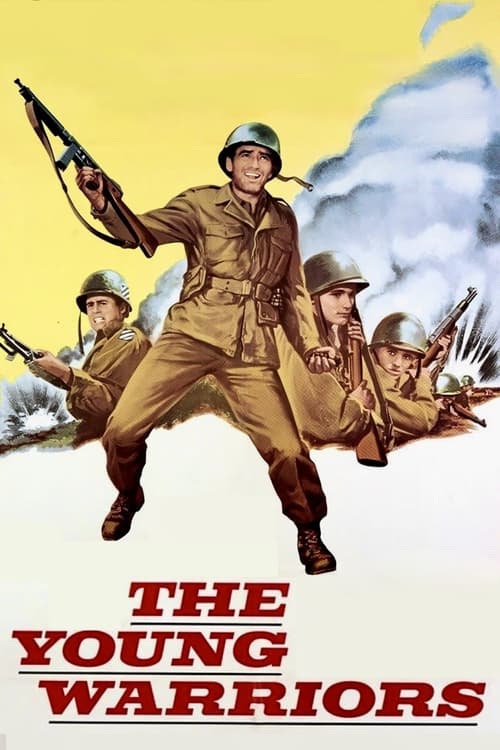
The Young Warriors
1967
No user ratings available yet
Representation score: 1.1 out of 10
Representation Score
Limited
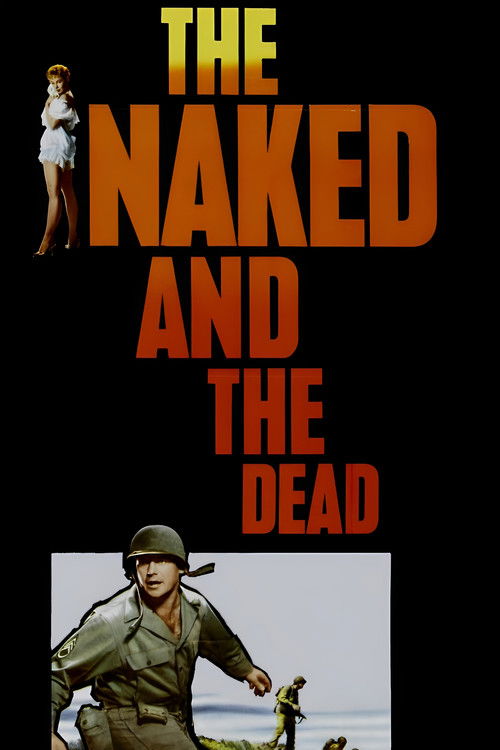
1958
NRDirector
Raoul Walsh
Runtime
131 minutes
Average Rating
No ratings yetNew Showbiz Analysis
Raoul Walsh’s film is a mid-century realist study of wartime disillusionment. It avoids the heroic idealism common to its era, focusing instead on the psychological friction between soldiers and their command. While the film lacks modern multi-layered representation, it distinguishes itself from standard propaganda. It uses a narrative of disillusionment to challenge the perceived infallibility of military institutions. Ultimately, the work is a product of its historical context, prioritizing the grit of the Pacific Theater over diverse casting or gender dynamics.
Category Breakdown
The film focuses solely on heterosexual military structures and does not include any queer subtext or non-cisgender identities within the character arcs.
Masculine characters dominate the narrative space, while female characters are sidelined or serve as memory aids for the soldiers.
The cast is predominantly white, reflecting 1950s casting norms. Non-white characters, such as Pacific Islanders and Japanese combatants, have limited roles and depth.
The film critiques institutional power by highlighting the tension between individuals and command. It questions the systemic value of life against strategic objectives.
Disability is shown through combat trauma and the physical toll of jungle warfare, serving as markers of war's cost rather than explorations of identity.
Present on Screen
Limited or Absent
Official Synopsis
Fighting men in World War II learn the value of courage and quickness at the risk of losing their lives.
1967

1942
1945
1962
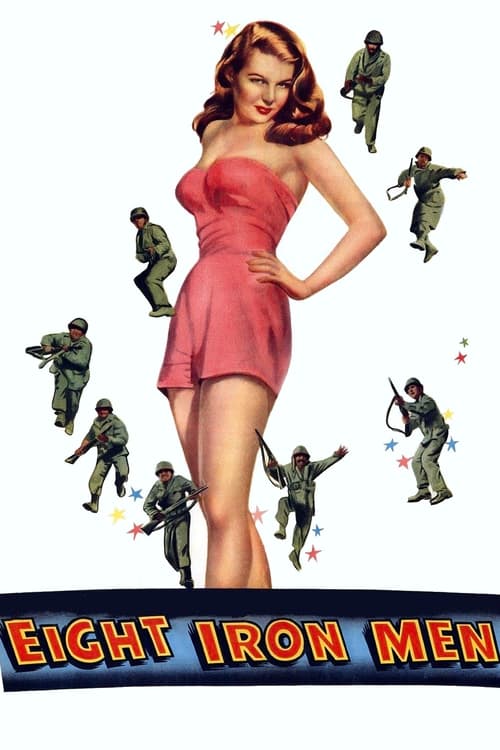
1952
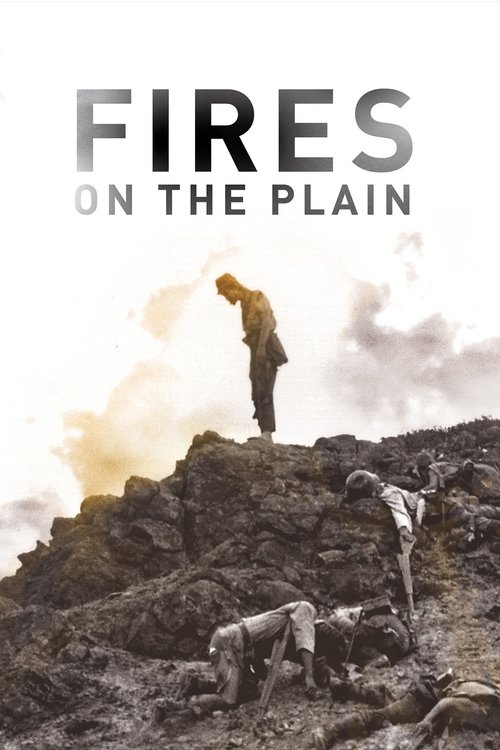
1959
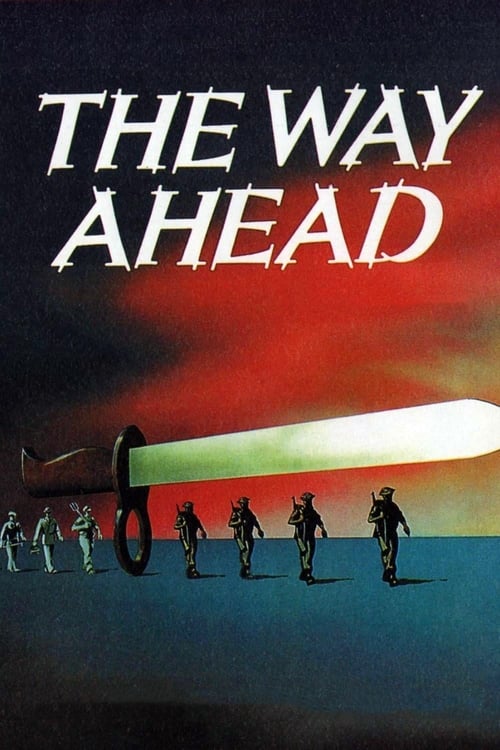
1944
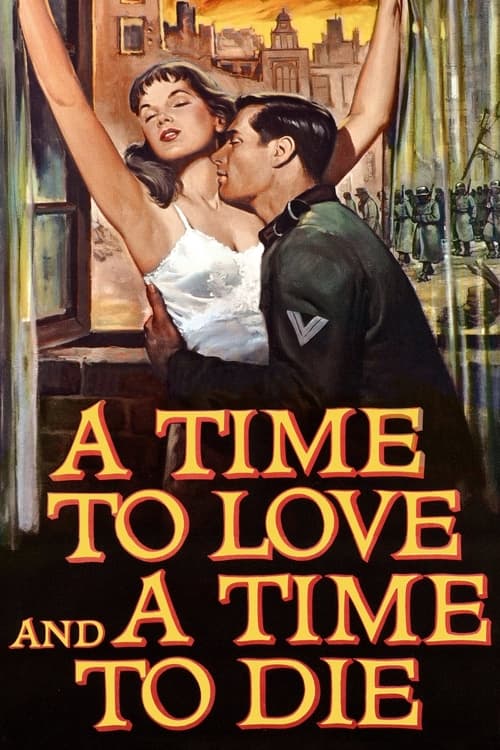
1958
No reviews yet. Be the first to share your thoughts on this movie!
Use the rating form above to leave a star rating and optional review.