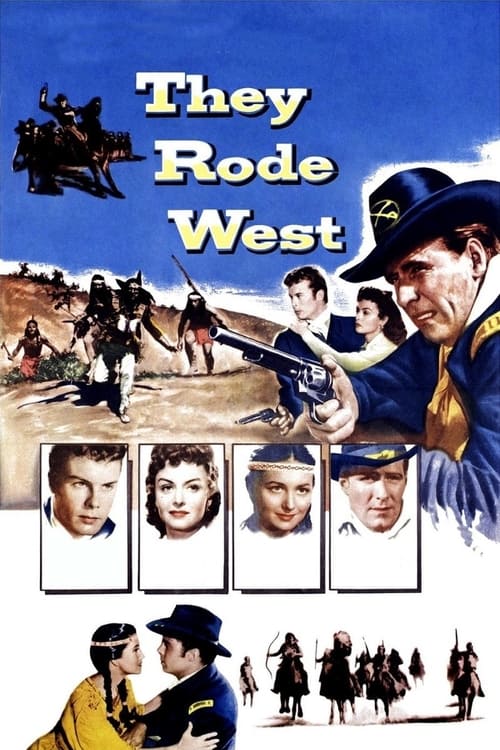
They Rode West
1954
No user ratings available yet
Diversity score: 2.9 out of 10
1950
NRDirector
Phil Karlson
Runtime
85 minutes
Average Rating
No ratings yetSynopsis
An American scout and his Indian friend help the English troops against the French during the French and Indian War.
Overall Score
Limited
Category Breakdown
LGBTQ+ Representation
The film contains no discernible LGBTQ+ characters or non-cisnormative identities. The social landscape remains strictly aligned with mid-20th-century heteronormative standards.
Gender Representation
Agency is concentrated almost exclusively in male protagonists like Jeff Chandler and Robert Armstrong. Female characters are relegated to secondary, passive roles within the masculine combat arcs.
Racial & Ethnic Diversity
Indigenous Iroquois characters are present, but the depiction follows era-specific conventions. The perspective remains centered on the colonial struggle rather than complex Indigenous agency.
Religious & Cultural Diversity
The narrative emphasizes frontier justice and colonial order during the French and Indian War. It functions as a standard historical adventure without critiquing Western institutions.
Disability Representation
There is no evidence of characters with visible or invisible disabilities being portrayed with agency or as central to the story.
Strengths
Areas for Improvement
AI Analysis
The film is a quintessential product of its 1950s production era, relying heavily on traditional Western archetypes. It prioritizes masculine-driven survival and colonial geopolitical conflict over nuanced character exploration. The narrative structure reinforces existing social hierarchies, focusing on the expansionist tensions of the 18th century. This results in a singular, colonial-centric viewpoint that lacks intersectional depth. While the film includes Indigenous characters, they function within a colonial framework. This limits the depth of the representation and keeps the focus on the Anglo-Saxon struggle.
1954

1951
1966
1952
1929
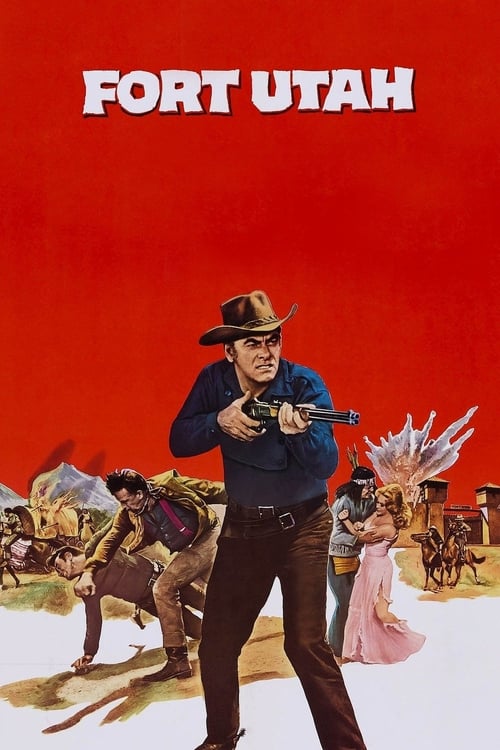
1967
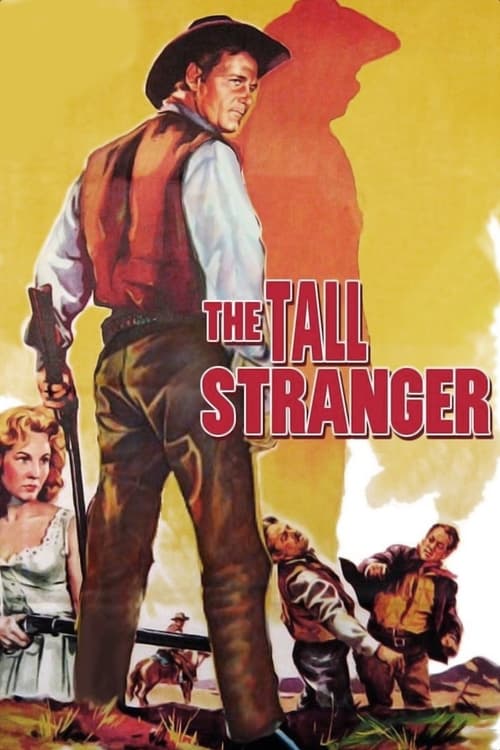
1957

1966

1955
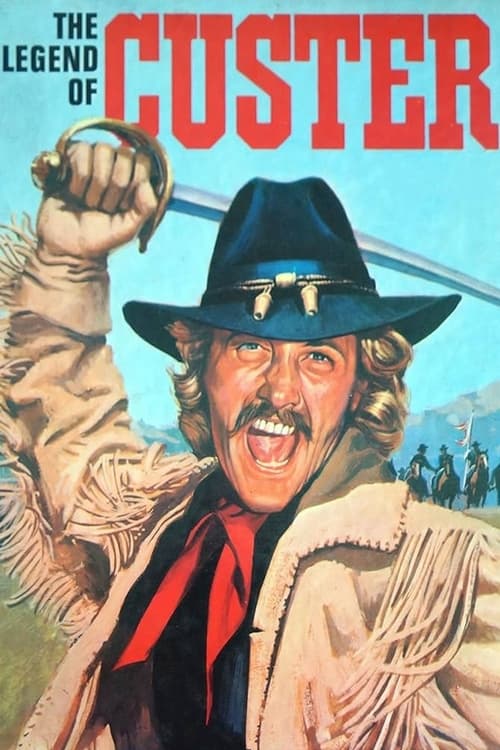
1968
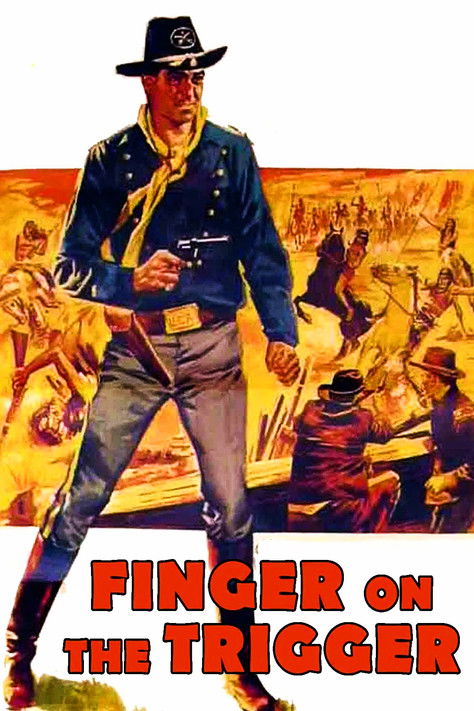
1965
1951
No reviews yet. Be the first to share your thoughts on this movie!
Use the rating form above to leave a star rating and optional review.