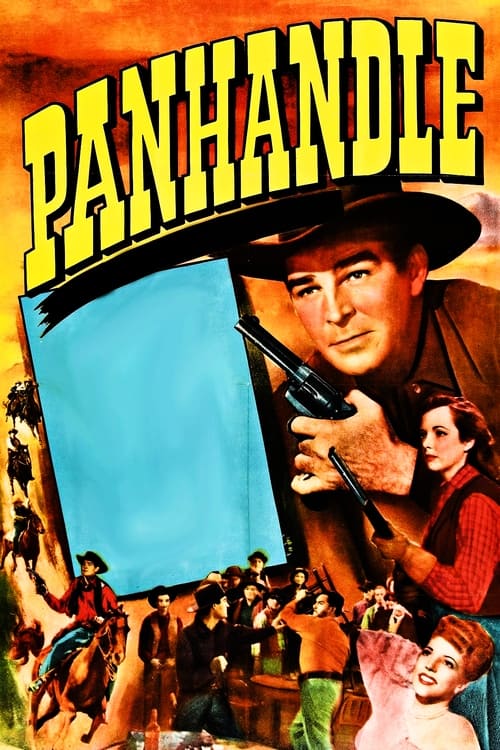
Panhandle
1948
No user ratings available yet
Representation score: 0.9 out of 10
Representation Score
Minimal
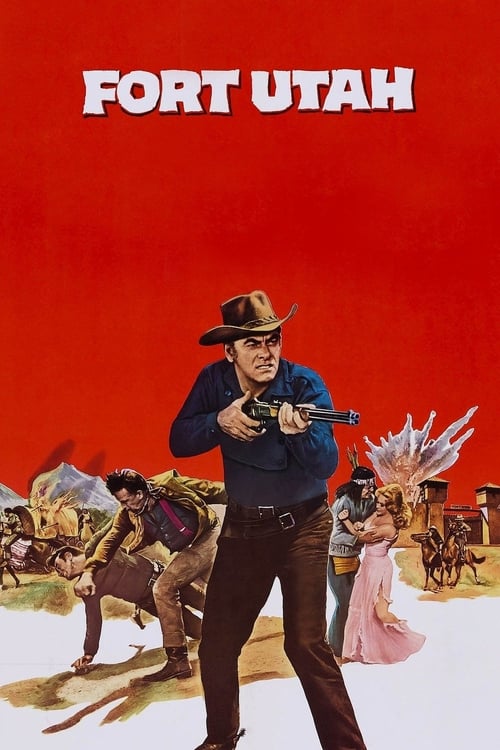
1967
GDirector
Lesley Selander
Runtime
84 minutes
Average Rating
No ratings yetNew Showbiz Analysis
Fort Utah is a conventional Western that adheres strictly to the cinematic norms of 1967. The narrative centers on a protagonist's struggle against those exploiting indigenous tensions for profit. The film reinforces mid-century social hierarchies, particularly regarding gender and race. Male leadership drives the plot, while Native American characters are framed through the lens of settler-driven conflict. Ultimately, the work lacks the intention to challenge systemic structures or provide diverse perspectives, functioning instead as a standard representation of the era's frontier storytelling.
Category Breakdown
The film does not include any LGBTQ+ characters or identities that go beyond the assumption that everyone is straight and cisgender.
Male characters hold positions of authority and physical strength, while female roles are limited to supporting or domestic duties without challenging traditional gender roles.
Native American characters are portrayed through conventional lenses, often serving as sources of external conflict. The narrative may reinforce colonialist perspectives without providing nuanced representations.
The story focuses on the survival and frontier justice themes typical of the Western genre. It adheres to standard genre conventions without questioning the institutions or religious structures of the time.
There are no characters with visible or invisible disabilities, and disability is not used as a narrative device in the film.
Present on Screen
Limited or Absent
Official Synopsis
An ex-gunfighter goes up against a man who is trying to stir up trouble with the Indians to enrich himself.
1948
1965
1953
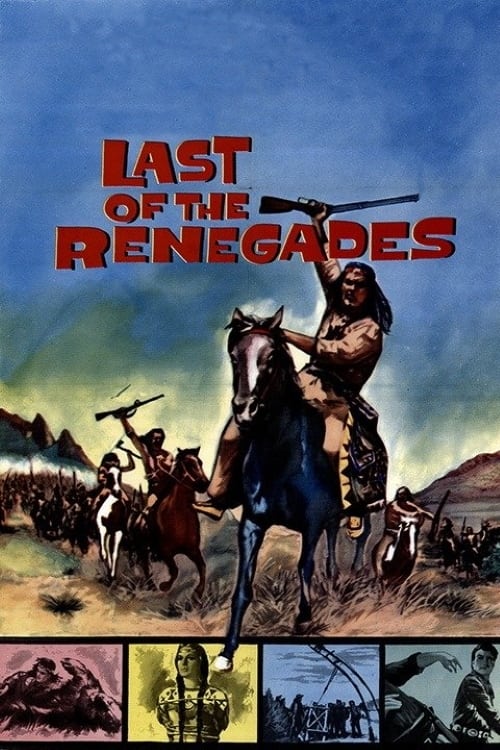
1964
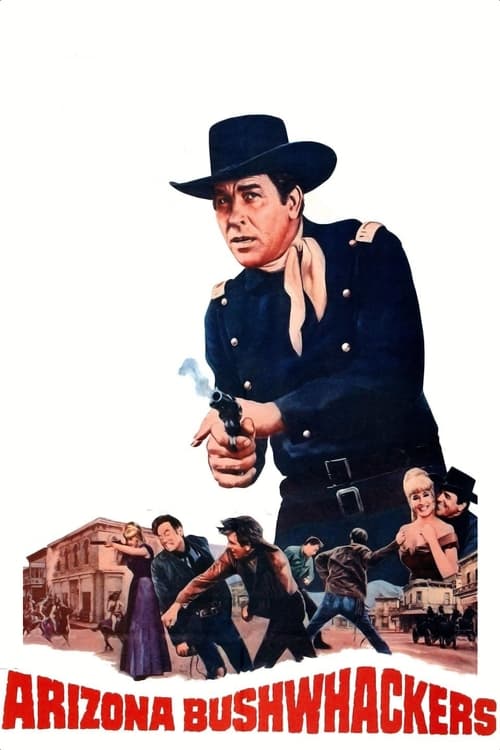
1968
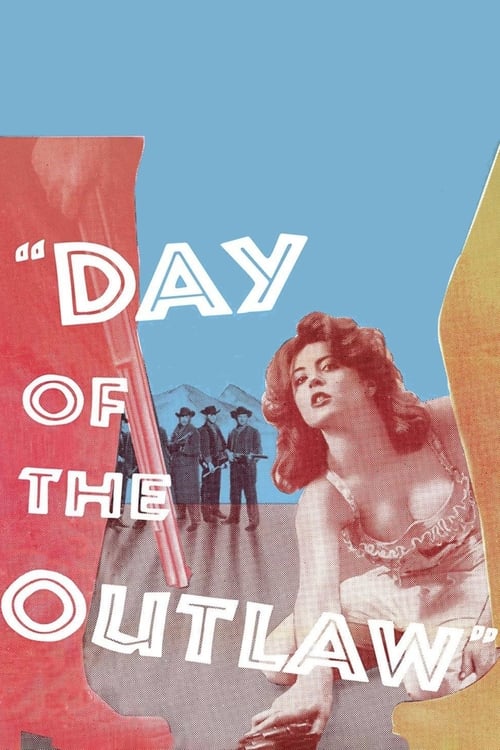
1959
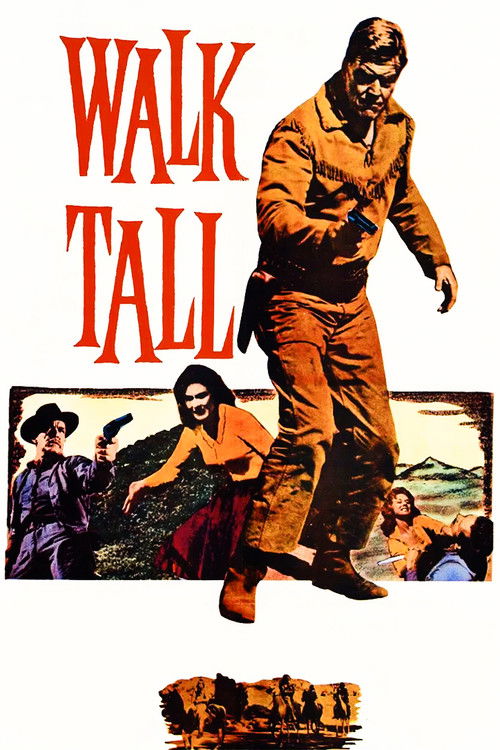
1960
1966
No reviews yet. Be the first to share your thoughts on this movie!
Use the rating form above to leave a star rating and optional review.