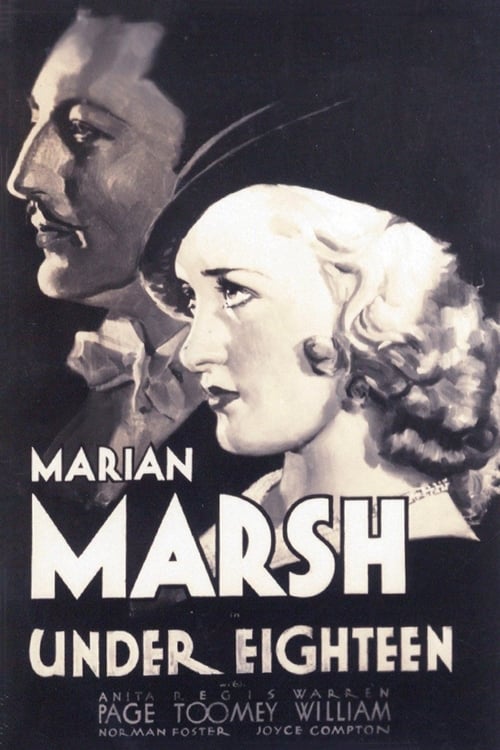
Under Eighteen
1932
No user ratings available yet
Representation score: 1.1 out of 10
Representation Score
Limited
1931
NRDirector
Jack Conway
Runtime
73 minutes
Average Rating
No ratings yetNew Showbiz Analysis
Set in the Pre-Code era, the film explores social morality and female autonomy without the constraints of later censorship. It highlights a woman's internal conflict against economic necessity and transactional relationships. However, the film's limited scope is evident in its lack of LGBTQ+, racial, ethnic, or disabled representation, reflecting the demographic standards of 1931 Hollywood.
Category Breakdown
The film does not include any LGBTQ+ identities or queer subtext. All romantic arcs are centered around traditional heterosexual relationships.
The narrative focuses on a woman's struggle for autonomy and active negotiation of her survival and relationships. It challenges passive stereotypes of women.
The cast is primarily composed of white, upper-class actors. The film does not include diverse racial or ethnic perspectives.
The story examines the complexities of ethical decisions during the Great Depression. Wealth and class are shown as barriers to genuine human connections.
The film does not depict any characters with visible or invisible disabilities. Disability is not used as a narrative device.
Present on Screen
Limited or Absent
Official Synopsis
A virtuous and innocent young woman uneasily gives in to the lavish attentions of a "sugar daddy" but then finds true love with a newspaperman her own age. But when he disappears on a long assignment, she is unable to support herself in Depression-era New York and returns to her previous arrangement, placing her in a predicament when he returns.
1932

1930

1927
1938

1932
1918

1932

1928
No reviews yet. Be the first to share your thoughts on this movie!
Use the rating form above to leave a star rating and optional review.