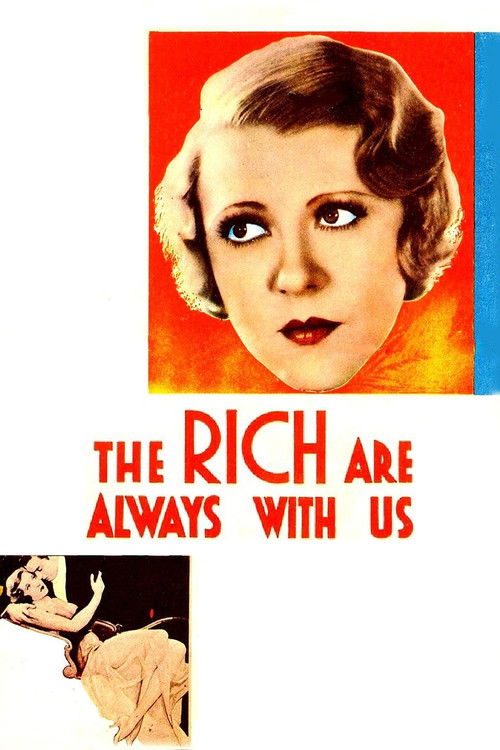
The Rich Are Always with Us
1932
No user ratings available yet
Diversity score: 2.8 out of 10
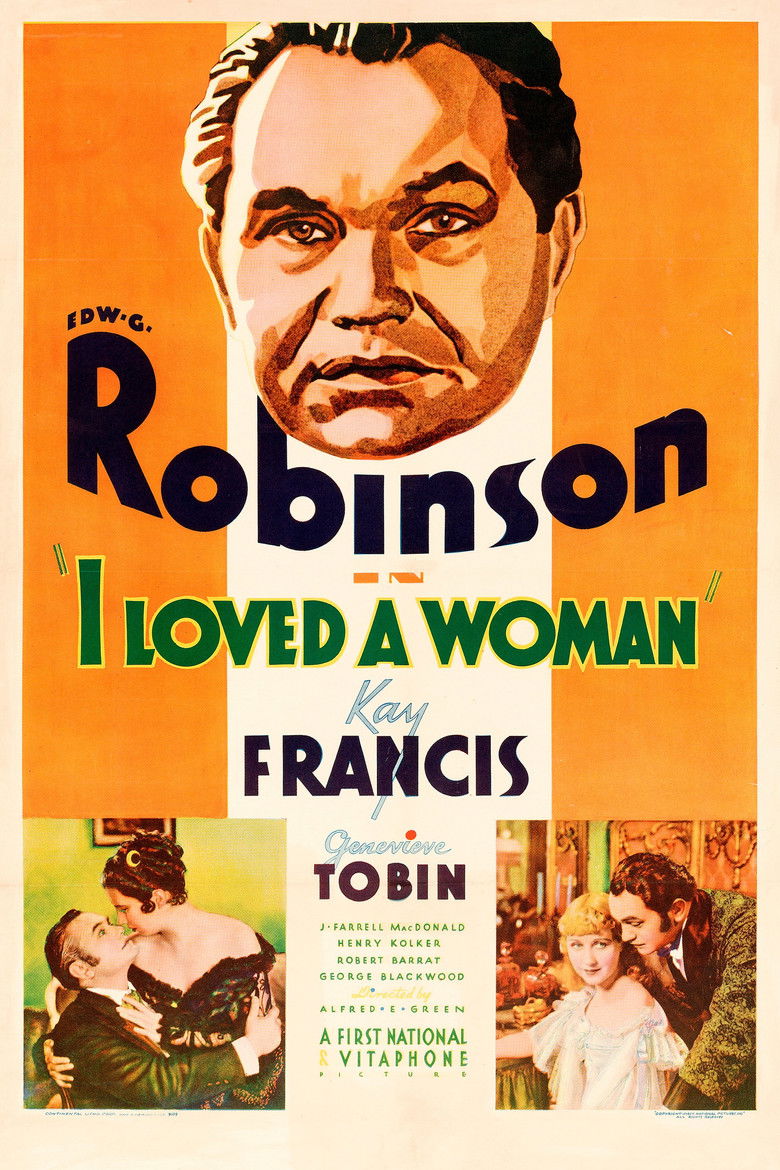
1933
ApprovedDirector
Alfred E. Green
Runtime
90 minutes
Average Rating
No ratings yetSynopsis
The son of a ruthless meatpacking king goes through a number of changes in ideals and motivations as he reluctantly inherits the mantle and falls in love.
Overall Score
Limited
Category Breakdown
LGBTQ+ Representation
The film focuses entirely on heteronormative romantic structures. No queer subtext or non-cisnormative identities appear within the plot of the extramarital affair.
Gender Representation
The narrative centers on the female protagonist's emotional agency and choices. It subverts traditional domestic hierarchies by portraying her pursuit of romantic fulfillment outside a marital contract.
Racial & Ethnic Diversity
The cast is predominantly homogeneous, reflecting the cinematic standards of 1933. The story lacks significant racial or ethnic breadth, focusing on a white, middle-class social framework.
Religious & Cultural Diversity
The film deconstructs the traditional nuclear family by centering an extramarital affair. It explores the friction between individual desire and the rigid social structures of the era.
Disability Representation
There are no visible or invisible disabilities portrayed within the character arcs or the plot progression.
Strengths
Areas for Improvement
AI Analysis
I Loved a Woman is a quintessential Pre-Code drama that finds its strength in challenging social transgressions. While it lacks intersectional breadth, it offers a nuanced look at female autonomy and the instability of traditional domestic institutions. The film's progressive value lies in its willingness to explore the friction between individual desire and social morality. However, its narrow demographic focus and lack of racial or disability representation keep the overall impact limited. Ultimately, the film serves as a window into a period of Hollywood history where complex interpersonal dynamics were permitted before the strictures of the Production Code era.
1932

1933

1931

1933

1930
1931

1933
1937

1934
1924
1938

1932
No reviews yet. Be the first to share your thoughts on this movie!
Use the rating form above to leave a star rating and optional review.