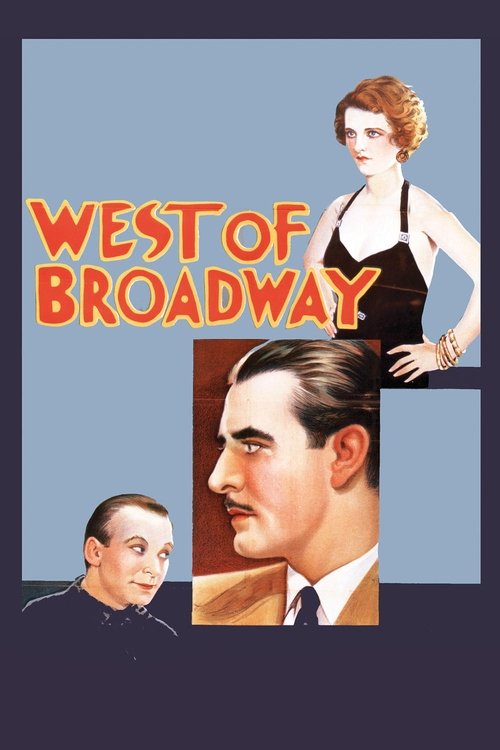
West of Broadway
1931
No user ratings available yet
Diversity score: 1.8 out of 10
1931
NRDirector
Harry Beaumont
Runtime
72 minutes
Average Rating
No ratings yetSynopsis
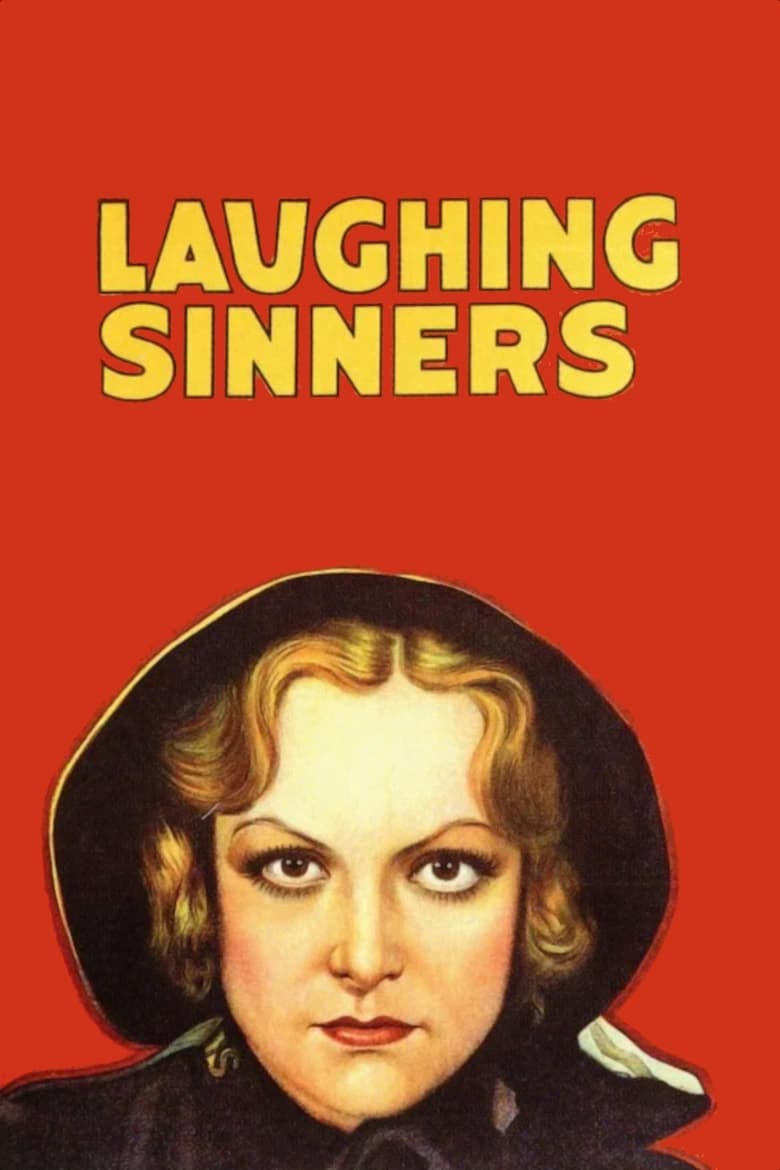
Ivy Stevens is a cafe entertainer in love with a shifty salesman who deserts her. In attempting to commit suicide, she is saved by Carl, a Salvation Army officer. Encouraged by Carl, Ivy joins the Salvation Army. When her old flame re-enters her life, Ivy finds she is still attracted and begins another affair with him.
Overall Score
Limited
Category Breakdown
LGBTQ+ Representation
The film lacks LGBTQ+ characters or non-heteronormative identities. Romantic conflicts focus exclusively on the protagonist's relationship with a male counterpart.
Gender Representation
Ivy Stevens provides meaningful representation by navigating complex sexual agency. The narrative challenges traditional hierarchies by portraying a woman who maintains autonomy over her moral and romantic choices.
Racial & Ethnic Diversity
Casting is largely homogeneous, reflecting the production standards of 1931. There is no significant evidence of racial or ethnic diversity within the primary cast or central arcs.
Religious & Cultural Diversity
The film explores moral relativism by framing the 'sinner' with empathy. It portrays religious and social institutions as forces of policing rather than absolute moral authorities.
Disability Representation
No visible or invisible disabilities are portrayed as central to the character arcs or plot drivers.
Strengths
Areas for Improvement
AI Analysis
Laughing Sinners is a Pre-Code drama that succeeds in subverting traditional moral absolutism. By centering the perspective of a social outcast, the film prioritizes individual agency over the rigid dictates of religious and social institutions. While the film offers a sophisticated look at moral relativism and the socioeconomic vulnerabilities of the working class, it remains limited by the systemic constraints of its era. The lack of intersectional representation is a significant factor in its overall score. Ultimately, the film's strength lies in its refusal to adhere to simple virtue or vice, instead offering a nuanced study of a woman navigating her own desires against societal scrutiny.
1931

1928

1933
1924
1932
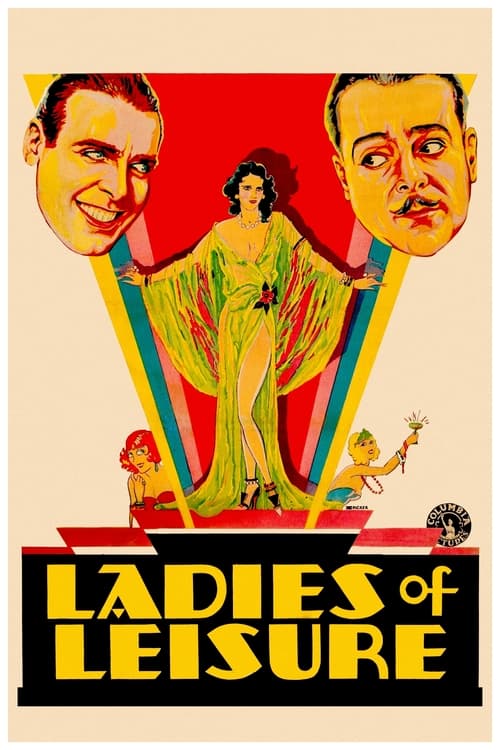
1930
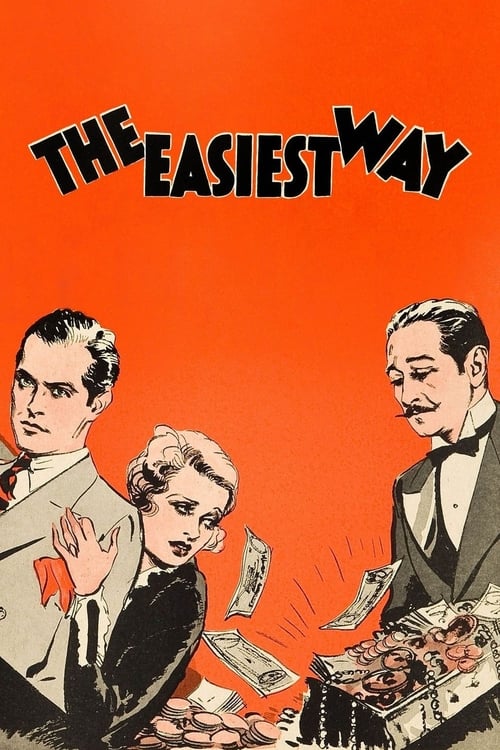
1931

1930

1927
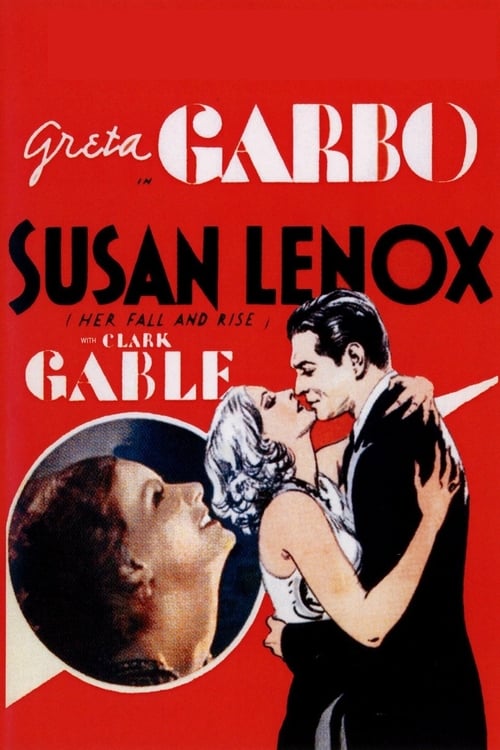
1931

1933
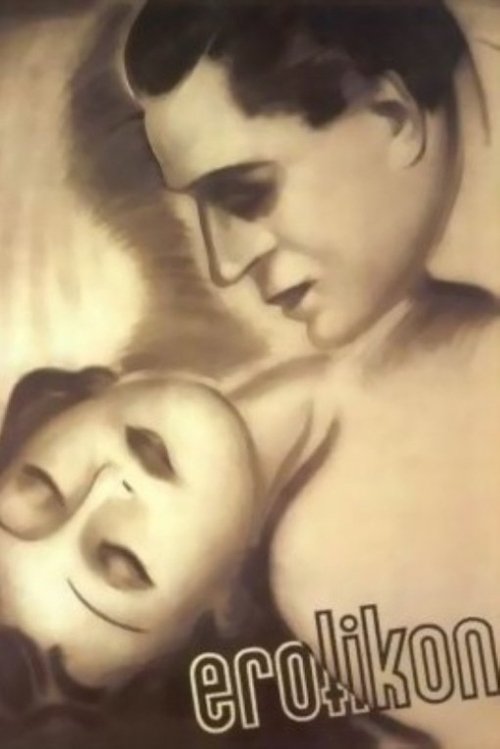
1930
No reviews yet. Be the first to share your thoughts on this movie!
Use the rating form above to leave a star rating and optional review.