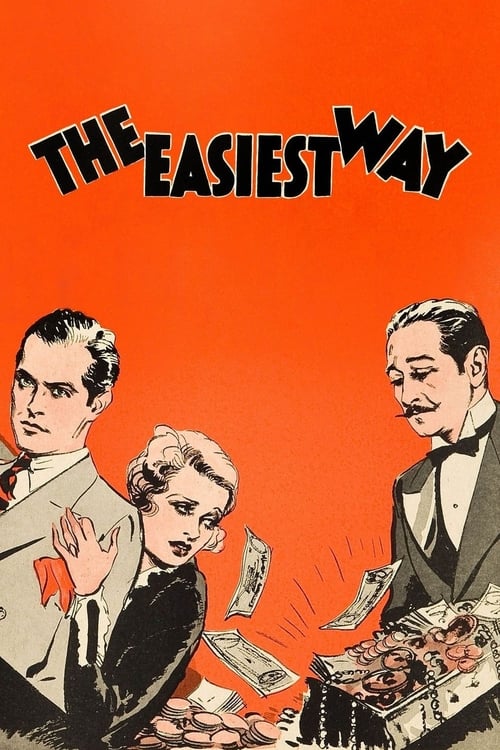
The Easiest Way
1931
No user ratings available yet
Diversity score: 3.7 out of 10

1933
NRDirector
James Cruze
Runtime
75 minutes
Average Rating
No ratings yetSynopsis
An investigative reporter romances a suspected smuggler's daughter.
Overall Score
Limited
Category Breakdown
LGBTQ+ Representation
The film centers on a traditional romantic pairing between the male lead and a smuggler's daughter. No non-cisnormative identities or same-sex intimacy are present.
Gender Representation
Sylvia Sidney’s character displays significant agency and resilience in a dangerous urban setting. She is a proactive participant in the protagonist's survival rather than a passive observer.
Racial & Ethnic Diversity
Set in a New York City waterfront environment, the film features a predominantly white cast. It focuses on socioeconomic struggles rather than diverse casting or racial subversion.
Religious & Cultural Diversity
The narrative explores systemic friction by positioning law enforcement as an antagonist to the individual. It offers a realistic depiction of the working class and situational ethics.
Disability Representation
There are no prominent depictions of visible or invisible disabilities that serve as significant character traits or drive the narrative forward.
Strengths
Areas for Improvement
AI Analysis
James Cruze’s 1933 drama is a product of the Pre-Code era, offering a gritty realism that avoids the rigid moralism of later Hollywood standards. Its strength lies in its depiction of female agency and a skepticism toward authority, providing a more nuanced social landscape than many contemporary films. However, the film remains limited by the social norms of its time. It lacks racial diversity and intersectional complexity, focusing almost exclusively on a white, working-class experience within a localized urban setting. Ultimately, the film functions as a socioeconomic drama. While it avoids certain traditional hierarchies through its female lead, it does not intentionally subvert identity politics or provide a broad critique of systemic institutions.
1931

1930
1932

1933

1932

1931
1931
1937
1934
1932
1932
1933
No reviews yet. Be the first to share your thoughts on this movie!
Use the rating form above to leave a star rating and optional review.