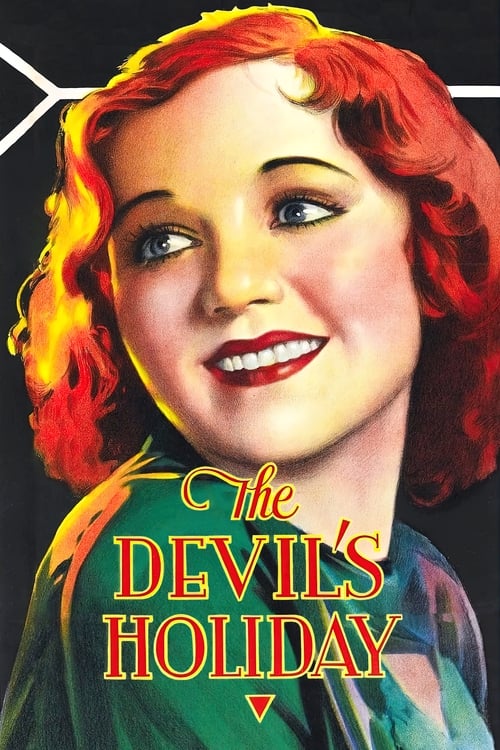
The Devil's Holiday
1930
No user ratings available yet
Representation score: 1.9 out of 10
Representation Score
Limited
1930
PassedDirector
Frank Capra
Runtime
100 minutes
Average Rating
No ratings yetNew Showbiz Analysis
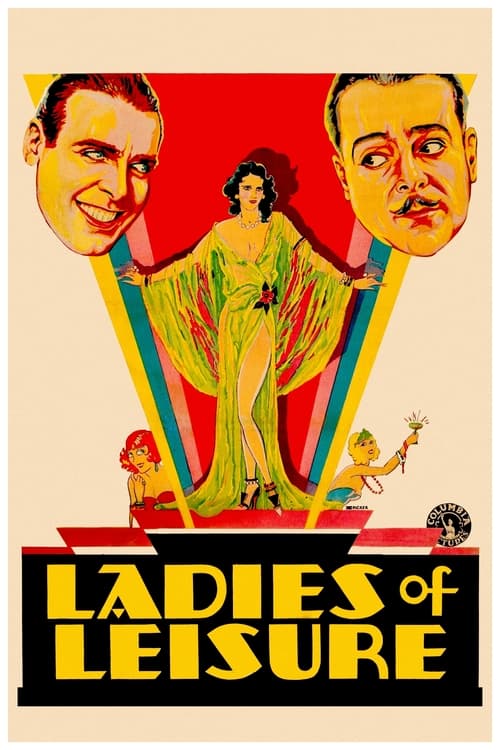
Ladies of Leisure is a complex Pre-Code drama that emphasizes female independence and economic ability to act. By showcasing high-class courtesans as independent economic actors, the film offers a unique perspective on female autonomy during the era. However, the film's progressive elements are limited by its lack of diversity. It lacks representation of LGBTQ+ identities, racial diversity, and characters with disabilities, presenting a homogeneous world. Ultimately, the film explores individual morality and social boundaries through empathetic storytelling, despite being confined to the demographic norms of 1930s cinema.
Category Breakdown
The film does not include any LGBTQ+ characters or explore non-straight relationships. The romantic storyline focuses solely on heterosexual couples without any queer undertones.
The film highlights the independence of high-class courtesans as economic actors, disrupting traditional domestic roles. However, it ultimately returns to conventional romantic structures.
The cast is primarily composed of white actors, reflecting the homogeneity typical of 1930s cinema. The film does not engage with diverse racial or cultural backgrounds.
The film portrays characters in sex work with empathy, focusing on personal ethics rather than criticizing societal institutions.
There are no visible or hidden disabilities among the main characters or in the primary storyline.
Present on Screen
Limited or Absent
Official Synopsis
Kay Arnold is a gold digger who wanders from party to party with the intention of catching a rich suitor. Jerry Strong is a young man from a wealthy family who strives to succeed as an artist. What begins as a relationship of mutual convenience soon turns into something else.
1930
1930
1932
1930
1930
1933

1930
1929
No reviews yet. Be the first to share your thoughts on this movie!
Use the rating form above to leave a star rating and optional review.