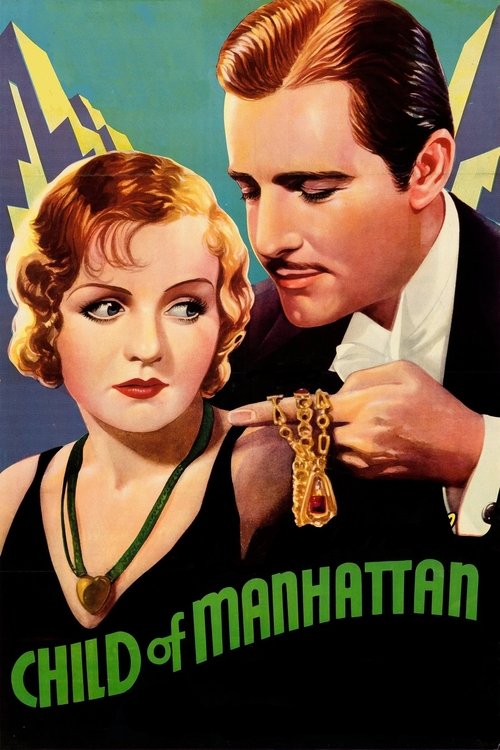
Child of Manhattan
1933
No user ratings available yet
Representation score: 1.7 out of 10

Representation Score
Limited
1932
NRDirector
Frank Capra
Runtime
85 minutes
Average Rating
No ratings yetNew Showbiz Analysis
Forbidden stands out for its focus on women's ability to drive the story in an era where women were often portrayed as passive. Lulu Smith navigates complex socioeconomic changes and professional life, offering a nuanced view of women's autonomy. However, the film is limited by the era's social norms, showing almost no racial, ethnic, or LGBTQ+ diversity. The cast remains largely homogeneous, and the narrative lacks representation for disabled characters. Ultimately, the film's strength lies in its moral complexity and its subversion of traditional gender roles, even while it falls short in representing broader demographic diversity.
Category Breakdown
The film focuses solely on heterosexual relationships and traditional marriages. There are no characters with non-straight or non-cisgender identities, nor any depiction of same-sex intimacy.
Lulu Smith is a strong female protagonist who seeks professional independence in journalism. The story highlights the tension between women's ability to drive the narrative and the restrictive social norms of the 1930s.
The cast is primarily made up of actors from similar backgrounds, reflecting the homogeneity typical of productions from that era. The story lacks significant racial or ethnic diversity and does not feature non-white protagonists.
The film critiques social conformity by examining moral relativism. It portrays the protagonist's actions as driven by survival rather than simple wrongdoing.
There are no visible or invisible disabilities represented in the characters' stories or the overall narrative.
Present on Screen
Limited or Absent
Official Synopsis
On a cruise to Cuba, Lulu Smith falls in love with Bob Grover. Back home, she breaks off the romance when he tells her he is married. Lulu has a baby but doesn't tell Bob, who turns out to be a rising politician. She passes herself off as the baby's nanny. When Bob learns what is going on, he adopts the little girl, not telling his wife or anyone else where she came from. Lulu gets a job at a newspaper. Things get complicated when the editor gets the dirt on Bob, but also wants to marry Lulu.
1933

1920
1933

1951
1929

1931
1922
1932
No reviews yet. Be the first to share your thoughts on this movie!
Use the rating form above to leave a star rating and optional review.