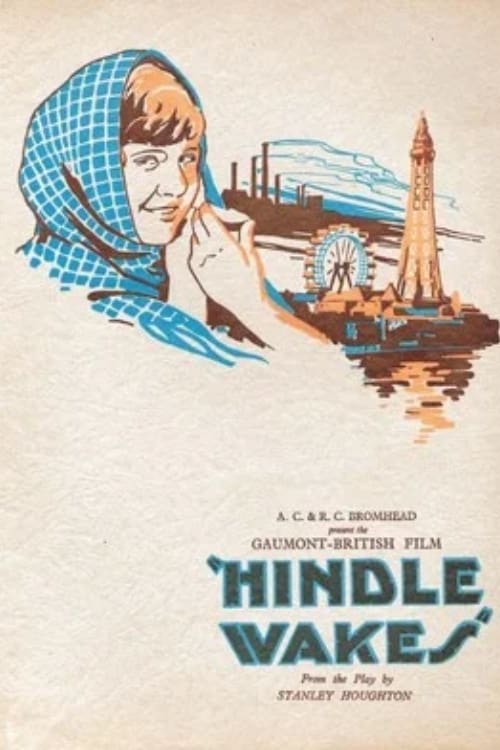
Hindle Wakes
1927
No user ratings available yet
Representation score: 3.0 out of 10
Representation Score
Limited
1918
UnratedDirector
Marshall Neilan
Runtime
67 minutes
Average Rating
No ratings yetNew Showbiz Analysis
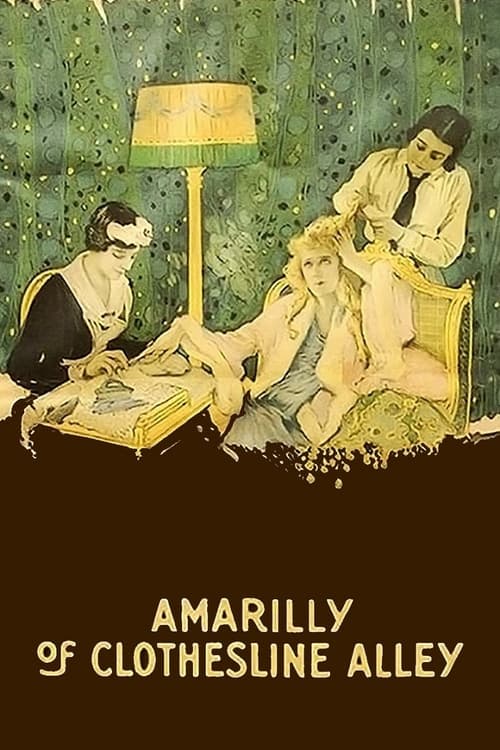
Amarilly of Clothes-Line Alley is a class-based melodrama that centers on a female perspective. It explores the protagonist's journey from a working-class neighborhood to the world of the elite. However, the film lacks multi-layered complexity, focusing on individual social mobility rather than broader systemic issues. It remains limited by the era's standard of homogeneous, Anglo-centric casting and traditional romantic structures.
Category Breakdown
The film focuses on the romance between Amarilly and her boyfriend, Terry, following a traditional structure. There is no representation of non-binary or transgender identities or narratives challenging the assumption that everyone is straight or cisgender.
Amarilly is the main character, driving the story through her experiences and social mobility. She plays a significant role in navigating the narrative, but the story remains rooted in early 20th-century romantic clichés.
The film depicts a society that seems homogeneous and focused on Western, Anglo-centric backgrounds. There is no significant representation of non-white individuals in either the working-class or upper-class settings.
The story contrasts a poverty-stricken alley with the upper class to highlight socioeconomic differences. This focus emphasizes the tension between different economic levels.
There is no depiction of characters with visible or invisible disabilities. Disability is not used as a narrative element in the film.
Present on Screen
Limited or Absent
Official Synopsis
Amarilly comes from a large family in a working-class neighborhood. She is happy with her family and her boyfriend Terry, a bartender in a cafe. But one day she meets Gordon, a sculptor who comes from a rich family, and she begins to be drawn into the world of the upper class.
1927

1930
1916

1920
1931
1928
1919
1995
No reviews yet. Be the first to share your thoughts on this movie!
Use the rating form above to leave a star rating and optional review.