Flamingo Road
1949
No user ratings available yet
Diversity score: 2.7 out of 10

1939
NRDirector
Michael Curtiz
Runtime
107 minutes
Average Rating
No ratings yetSynopsis
Nan Masters, a single mother living with her four marriageable daughters, plans to marry Sam Sloane, businessman. Out of the blue her 1st husband Jim returns after deserting the family 20 years earlier. The worldly wanderer Jim gets a cool family reception at first but his warm personality gradually wins the affections of his four daughters. In fact, youngest daughter Buff, who has her eye on a maverick of her own in Gabriel Lopez, is pleased when Jim grants his stamp of approval on her relationship. Buff plans to elope with Gabriel on her mother's wedding day, but 'unpredictable' is Gabriel's middle name.
Overall Score
Limited
Category Breakdown
LGBTQ+ Representation
The film lacks any presence of non-heteronormative identities. Romantic arcs focus strictly on traditional courtship and familial reintegration.
Gender Representation
The narrative centers on a matriarchal unit where daughters exhibit significant agency. They drive the plot through curiosity and bravery rather than remaining passive observers.
Racial & Ethnic Diversity
The cast is predominantly homogeneous, reflecting 1939 industry standards. While Gabriel Lopez suggests some ethnic variety, the film lacks deep development for non-Anglo-Saxon figures.
Religious & Cultural Diversity
The story emphasizes the restoration of the nuclear family and social stability. It reinforces traditional expectations regarding marriage and family reintegration.
Disability Representation
There are no prominent depictions of physical or neurodivergent disabilities. Characters are presented through a lens of standard physical capability.
Strengths
Areas for Improvement
AI Analysis
Daughters Courageous is a product of its era, balancing progressive female agency against a very traditional social framework. While the film avoids the 'damsel in distress' trope by giving its female protagonists active roles in the plot, it remains firmly rooted in the heteronormative and racial hierarchies of 1939 Hollywood. The strength of the film lies in its matriarchal focus. The daughters are not merely background characters but active participants in the narrative's momentum. However, this agency is contained within a narrow cultural scope that prioritizes the stability of the nuclear family over systemic critique. Ultimately, the film offers a glimpse of female independence that is simultaneously limited by the era's lack of racial and LGBTQ+ depth.
1949
1939
1948

1934
1931

1930

1961
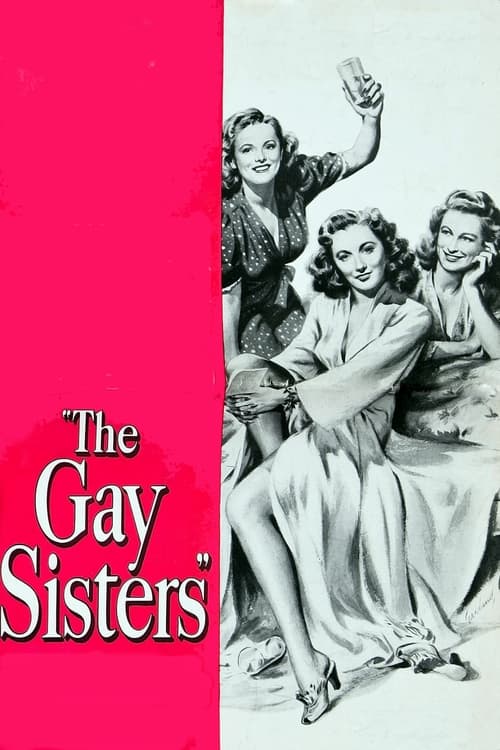
1942
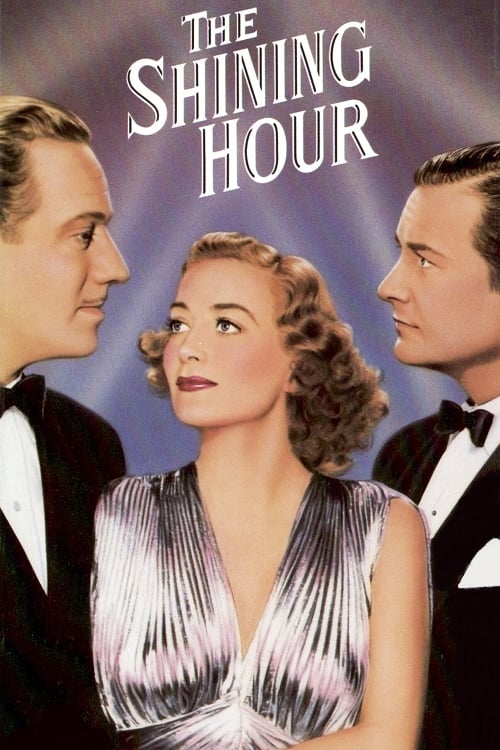
1938
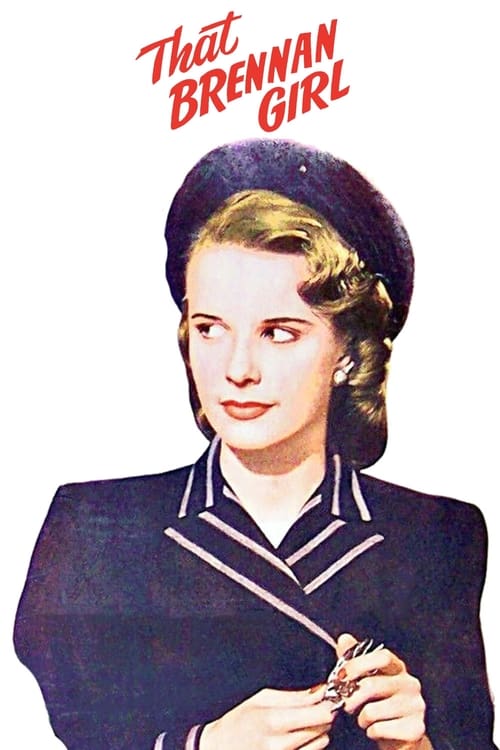
1946
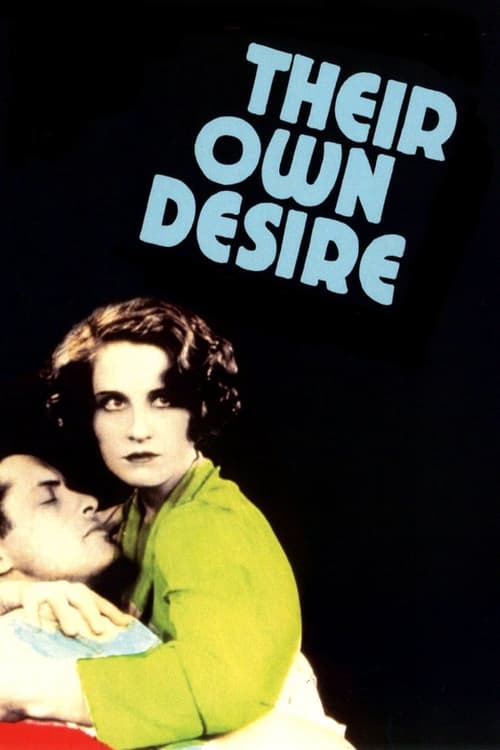
1929
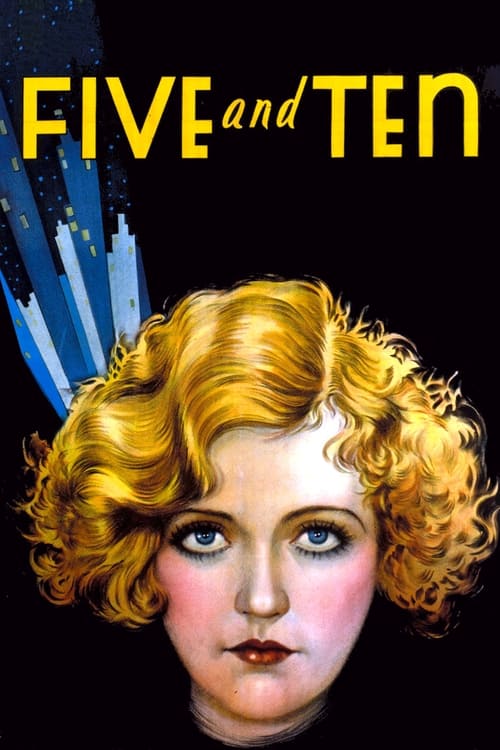
1931
No reviews yet. Be the first to share your thoughts on this movie!
Use the rating form above to leave a star rating and optional review.