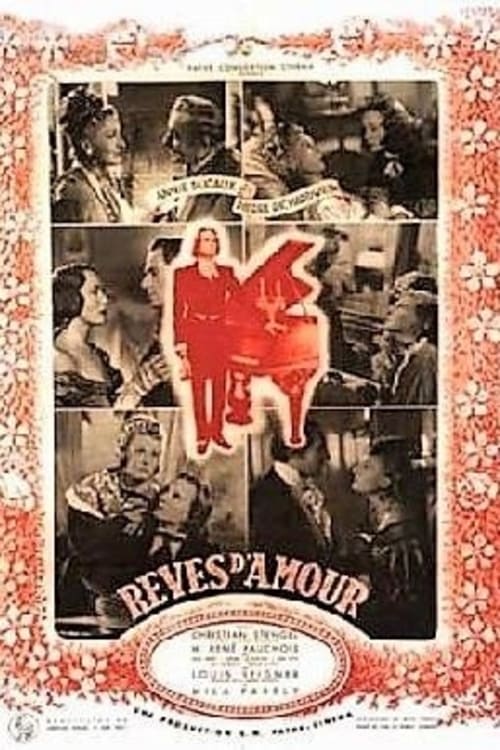
Dreams of Love
1947
No user ratings available yet
Diversity score: 2.8 out of 10
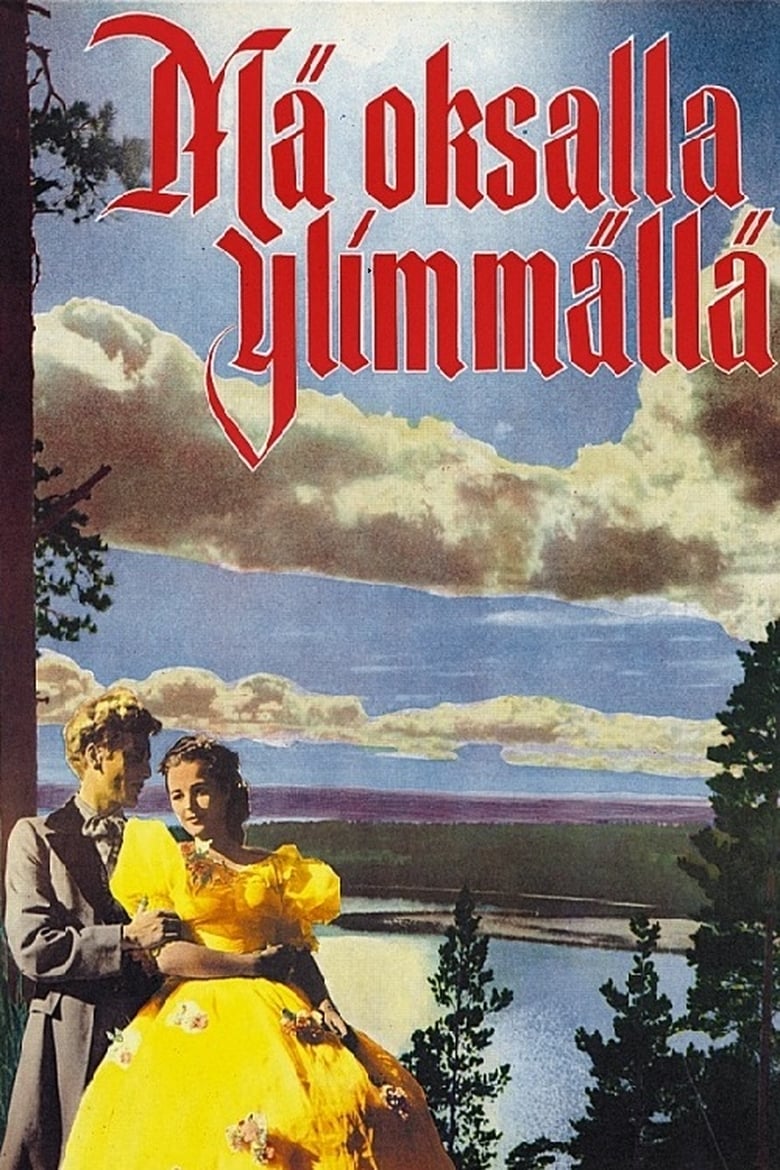
1954
SDirector
Jack Witikka
Runtime
88 minutes
Average Rating
No ratings yetSynopsis
A fictional love story between famous composer Gabriel Linsén and opera singer Maria Sawina in 19th century Finland.
Overall Score
Limited
Category Breakdown
LGBTQ+ Representation
The film follows a conventional romantic structure between a male composer and a female singer. It lacks non-cisnormative identities or narratives that challenge heteronormativity.
Gender Representation
Maria Sawina holds a position of professional prominence as an opera singer. However, the film appears to reinforce traditional romantic dynamics common to 1950s historical dramas.
Racial & Ethnic Diversity
Set in 19th-century Finland, the film reflects the demographic homogeneity of its era. The focus on specific European figures suggests a lack of racial or ethnic intersectionality.
Religious & Cultural Diversity
The story celebrates individual achievement within established Western cultural institutions like opera. It lacks systemic critique or secularist themes, focusing instead on romanticized historical aesthetics.
Disability Representation
There is no mention of characters navigating physical, sensory, or neurodivergent conditions. The narrative does not address disability.
Strengths
Areas for Improvement
AI Analysis
Mä oksalla ylimmällä is a traditional mid-20th-century period drama that adheres to the cinematic conventions of its time. The story centers on a fictional romance between two high-status European figures, prioritizing classical art and established social hierarchies. The film offers very little in the way of intersectional representation. Its focus on 19th-century Finnish high culture and conventional romantic tropes results in a narrative that is demographically homogeneous and socially conservative. Ultimately, the work functions as a celebration of individual artistic achievement rather than a tool for social or cultural disruption.
1947
1956
1925
1970
1943

1980
1946
1988
2013
1944
1952
1958
No reviews yet. Be the first to share your thoughts on this movie!
Use the rating form above to leave a star rating and optional review.