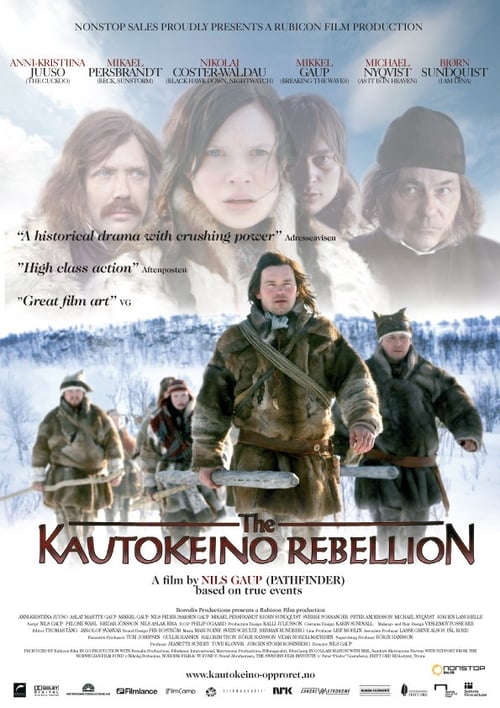
The Kautokeino Rebellion
2008
No user ratings available yet
Representation score: 3.3 out of 10
Representation Score
Limited
1944
K-16Director
T.J. Särkkä
Runtime
110 minutes
Average Rating
No ratings yetNew Showbiz Analysis
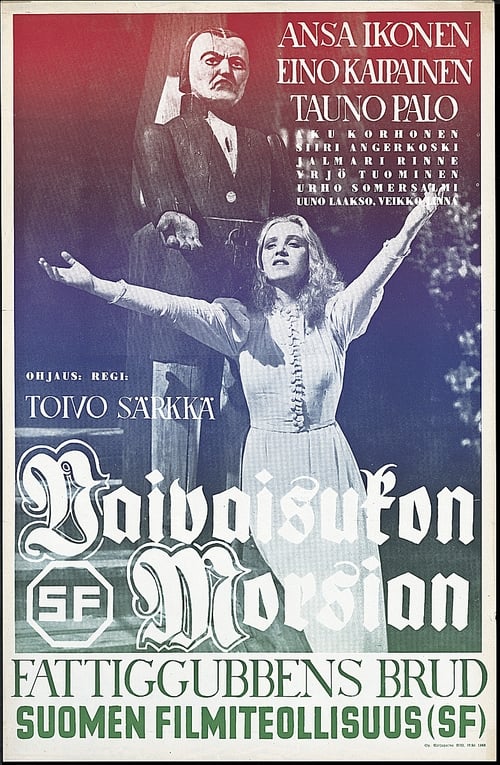
Vaivaisukon morsian is a traditional historical drama that emphasizes religious and social conflicts over multi-layered complexity. While it provides a subtle critique of institutional authority through the depiction of a grassroots revivalist movement, the narrative remains confined to a homogeneous Finnish setting. The film relies on conventional character archetypes. Female representation is centered on emotional devastation, and underrepresented figures like the beggar serve primarily to drive the plot forward rather than providing ability to act. Ultimately, the work lacks the diverse casting and subversion of social hierarchies necessary for a more progressive approach, functioning instead as a period-specific study of spiritual upheaval.
Category Breakdown
The film does not include LGBTQ+ characters or narratives that question the assumption that everyone is straight. The main romantic storyline involves a fiancée and a male suitor, following a conventional path.
Anna is a central figure, but her journey focuses on grief and vulnerability. Female characters navigate spiritual changes, but they do not hold significant systemic power.
Set in 1944 Finland, the film portrays a culturally uniform society. The story centers on local villagers without introducing characters from different racial or ethnic backgrounds.
The story criticizes institutional rigidity by showing a grassroots revivalist movement against the established Church. It remains deeply rooted in spiritual and religious contexts.
A beggar and a character experiencing a heart attack appear in the story. These figures act as narrative catalysts rather than offering nuanced portrayals of disability.
Present on Screen
Limited or Absent
Official Synopsis
Elias, who is preparing for his wedding, dances drunk with a beggar in front of the church and dies of a heart attack. His fiancée Anna is devastated by grief and on the verge of suicide. In his despair, he experiences a religious awakening, which is supported by Antti, who is in love with Anna, and some of the villagers. The pastor sees the revivalist movement as a threat to himself, the church, and public order.
2008

1972

1959

1943

1973

1943

1989

1960
No reviews yet. Be the first to share your thoughts on this movie!
Use the rating form above to leave a star rating and optional review.