Young Chopin
1952
No user ratings available yet
Representation score: 1.4 out of 10
Representation Score
Minimal
1988
Director
Franco Zeffirelli
Runtime
109 minutes
Average Rating
No ratings yetNew Showbiz Analysis
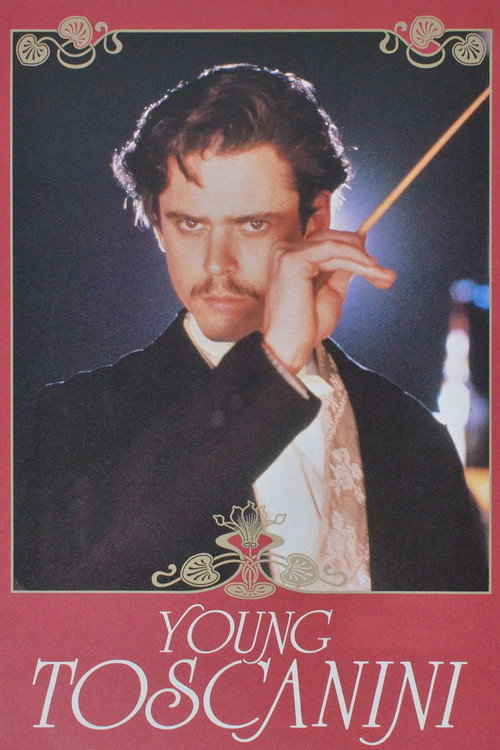
Young Toscanini is a traditional period biopic that prioritizes historical authenticity and classical narrative structures. It functions as a study of individual merit and historical realism. The film does not intentionally subvert traditional hierarchies or include underrepresented identities found in contemporary cinema. It remains deeply rooted in the demographic and social realities of 19th-century Italy. While the film captures the socioeconomic landscape of the era, it does not seek to expand the representation of gender, race, or sexual orientation beyond the period's standard norms.
Category Breakdown
The film follows the social norms of 19th-century Italy and does not include any LGBTQ+ identities or narratives that challenge the era's domestic structures.
The male protagonist and his mentors have significant control over the story. Women are shown in traditional domestic roles, reinforcing the period's social norms.
The cast is primarily made up of individuals from the same ethnicity, reflecting the specific historical context of Italy. The film focuses on internal class dynamics rather than diverse ethnic backgrounds.
The story emphasizes musical discipline and the pursuit of excellence through meritocracy. Poverty is framed through personal perseverance rather than a critique of social structures.
There are no prominent depictions of visible or invisible disabilities. The narrative focuses on the physical and mental demands of musical training.
Present on Screen
Limited or Absent
Official Synopsis
A fanciful biopic of legendary conductor Arturo Toscanini as a very young man.
1952
1994
1942
2005
1970
1988
2022
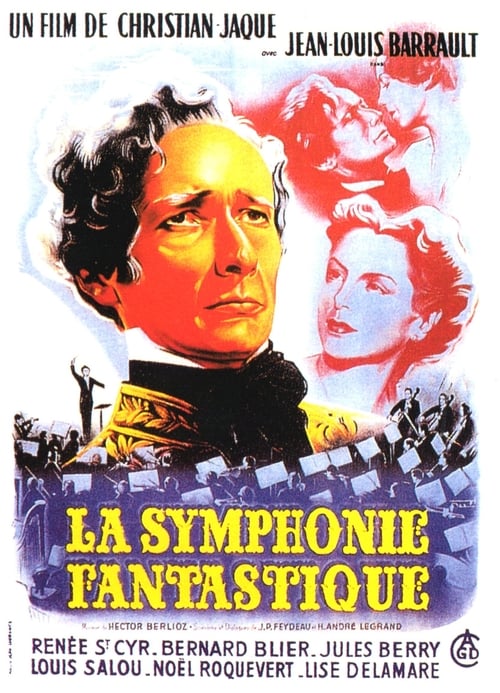
1942
No reviews yet. Be the first to share your thoughts on this movie!
Use the rating form above to leave a star rating and optional review.