Lev Tolstoy
1984
No user ratings available yet
Representation score: 2.9 out of 10
Representation Score
Limited
1943
Director
Albert Gendelshtein
Runtime
85 minutes
Average Rating
No ratings yetNew Showbiz Analysis
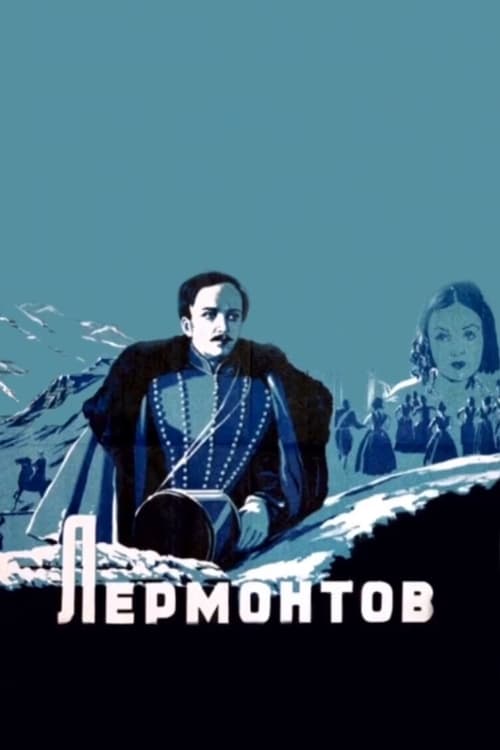
Lermontov (1943) is a traditional historical biopic that adheres to the conservative storytelling norms of the Soviet era. The film focuses on the 'suffering genius' archetype, centering the narrative on the life and fatal destiny of Mikhail Lermontov. Given its period setting and adherence to Russian Romanticism, the film lacks diversity. The cast and themes reflect a homogeneous cultural landscape, prioritizing national heritage over contemporary identity representation. Ultimately, the film serves as a celebration of individualist historical greatness rather than a platform for diverse social perspectives.
Category Breakdown
The film follows traditional biographical conventions of the 1940s. There is no indication of LGBTQ+ identities or same-sex relationships.
The story centers around the male experience and the intellectual contributions of the poet. Women appear mainly as muses or romantic interests within a traditional hierarchy.
Set within the Russian Empire, the cast reflects a homogeneous Slavic population. There is no significant representation of non-white characters.
The film celebrates the national literary heritage and Russian cultural institutions. It highlights the poet's struggle against the state to strengthen national identity.
There is no evidence of characters with visible or invisible disabilities being included in this historical chronicle.
Present on Screen
Limited or Absent
Official Synopsis
Chronicle of the life of Russian poet Michail Lermontov, from the final days of Alexandr Pushkin to the fatal destiny of the poet himself.
1984

1969
1950

2014
1952
1937
1958

1947
No reviews yet. Be the first to share your thoughts on this movie!
Use the rating form above to leave a star rating and optional review.