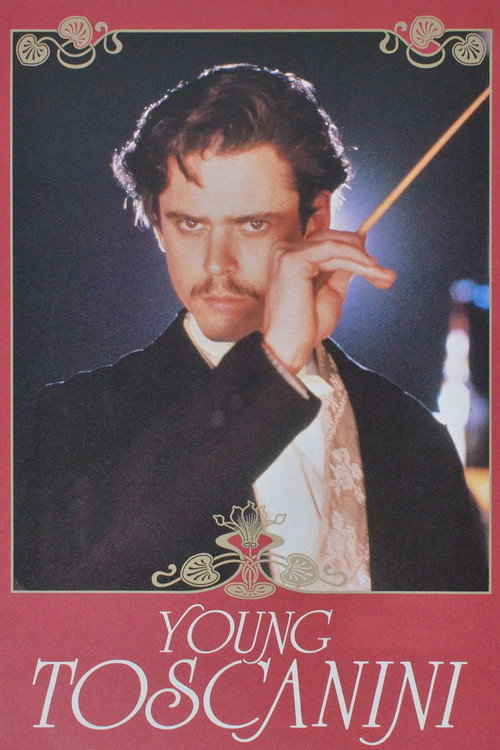
Young Toscanini
1988
No user ratings available yet
Representation score: 1.1 out of 10
Representation Score
Minimal
1952
ApprovedDirector
Aleksander Ford
Runtime
98 minutes
Average Rating
No ratings yetNew Showbiz Analysis
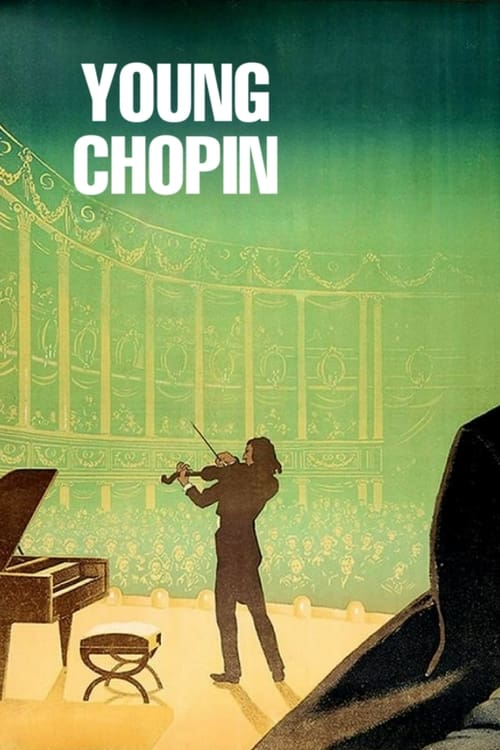
Young Chopin serves as a traditional biographical study of Frédéric Chopin's artistic journey. It prioritizes the celebration of national heritage and individual genius over any deconstruction of social power dynamics. The film adheres to the social and cultural norms of both the 19th-century setting and the mid-20th-century period of its production. It operates within a framework of historical realism rather than progressive social disruption. Because the narrative focuses on a specific European historical epoch, it lacks multi-layered casting or the subversion of traditional gender structures.
Category Breakdown
The film follows a traditional historical framework and does not depict any non-cisgender identities or same-sex relationships. It focuses on the professional development of the composer.
The main character's ability to drive the story is centered around the male protagonist. Female characters are portrayed according to 19th-century social norms, lacking significant intellectual independence or subversion of patriarchal structures.
The cast and setting are ethnically uniform, reflecting a 19th-century Polish context. There is no intentional disruption of racial norms in the film.
The narrative explores the tension between individual artistry and national struggle within a traditional European cultural context. It frames national identity through a historical lens.
There are no characters with visible or invisible disabilities. The story does not address neurodivergence or physical disability as a central theme.
Present on Screen
Limited or Absent
Official Synopsis
Young Frederic Chopin comes of age during a tumultous time in Polish history.
1988
2005
1987

2015
1988

1957
1954
1943
No reviews yet. Be the first to share your thoughts on this movie!
Use the rating form above to leave a star rating and optional review.