Dreams of Love
1970
No user ratings available yet
Representation score: 2.9 out of 10
Representation Score
Limited
1980
Director
František Vláčil
Runtime
103 minutes
Average Rating
No ratings yetNew Showbiz Analysis
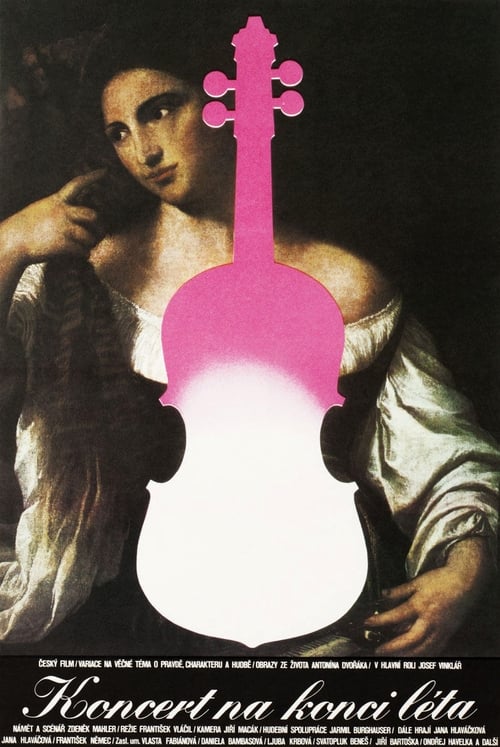
František Vláčil’s docudrama serves as a psychological character study rather than a modern social critique. It dismantles the 'great man' myth by illustrating how Dvořák's genius is deeply intertwined with the women in his life. However, the film adheres closely to the cultural and historical norms of its time. While it offers a nuanced exploration of interpersonal relationships, it falls short in terms of racial and LGBTQ+ diversity. Ultimately, the film's strength lies in its narrative structure, which highlights the intellectual contributions of female characters, despite the limited social scope.
Category Breakdown
The film focuses on a love triangle involving Dvořák and two women. There is no indication of queer identities or non-traditional romantic pairings.
Anna and Josefina are portrayed as key intellectual influences on the composer. The film goes beyond traditional gender roles by highlighting the women's significant contributions to Dvořák's creativity.
The film reflects the ethnic makeup of 19th-century Europe. The cast and setting appear ethnically uniform without deliberate diversification efforts.
The story emphasizes psychological realism and personal emotions. It stays true to its historical context without critiquing systemic issues.
There is no apparent depiction of physical or neurodivergent disabilities in the film.
Present on Screen
Limited or Absent
Official Synopsis
A docudrama about four weeks in the life of famous Czech composer Antonin Dvorak. The drama - filled with many of Dvorak's compositions - begins when the composer suddenly decides to cut a concert in London and return home. While on the train, flashbacks reveal his relationship to his wife Anna and her sister Josefina. Both women gave him inspiration, yet Dvorak is clearly troubled in some way as musical excerpts come and go in his creative mind.
1970
1969
1988
1991
1988
1998
1947
1981
No reviews yet. Be the first to share your thoughts on this movie!
Use the rating form above to leave a star rating and optional review.