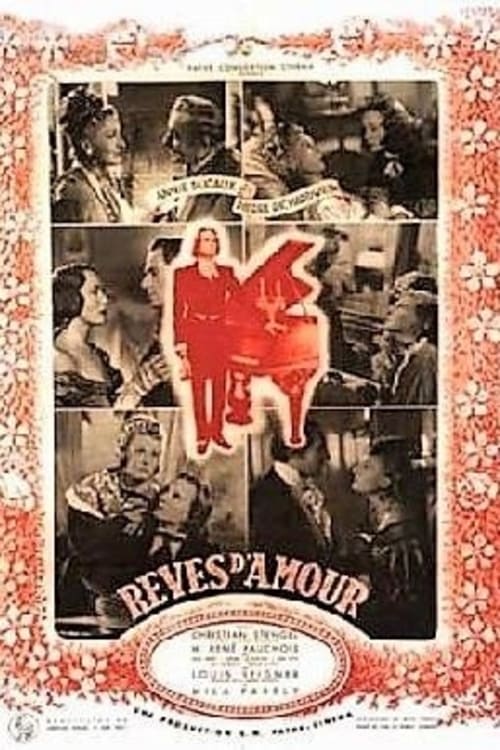
Dreams of Love
1947
No user ratings available yet
Representation score: 2.0 out of 10
Representation Score
Limited
1970
GDirector
Márton Keleti
Runtime
171 minutes
Average Rating
No ratings yetNew Showbiz Analysis
Dreams of Love is a conventional historical biography that focuses on the life of Franz Liszt through a traditional lens. The film adheres strictly to the social and cultural norms of the 19th-century European setting. While the film offers a detailed look at a significant historical figure, it does not challenge traditional hierarchies. The narrative structure relies on established gender roles and the prestige of Western classical institutions. Ultimately, the film serves as a celebration of Western cultural history without incorporating diverse identities or disrupting historical social structures.
Category Breakdown
The film focuses on the romantic relationship between Franz Liszt and Marie d'Agoult, which follows traditional heterosexual norms. There is no depiction of non-binary gender identities or same-sex relationships.
The narrative centers on Liszt's professional achievements and social status. While Marie d'Agoult plays a significant role, her influence is primarily through her relationship to the male protagonist. She has some control over her actions but is defined by her connection to him.
Set in 19th-century Paris, the film reflects the historical homogeneity of the time. The casting and setting emphasize Western classical traditions without featuring diverse ethnic backgrounds.
This biographical drama highlights Western cultural icons and high-society salons. It reinforces the prestige of established European artistic institutions and romanticized historical ideals.
The film does not feature characters dealing with visible or invisible disabilities. No neurodivergence or physical impairments are central to the character arcs presented.
Present on Screen
Limited or Absent
Official Synopsis
This is a romantic biographical film about Franz Liszt. In a distinguished saloon of Paris, the unknown composer, Liszt, defeats the renown Thalberg at a piano competition. Through his playing, he wins the favours and later the hand of the countess D'Agoult. A daughter is born in their marriage, Cosima. Liszt is better and better known, Marie introduces him to the circle of artists.
1947
1975
1980

1957
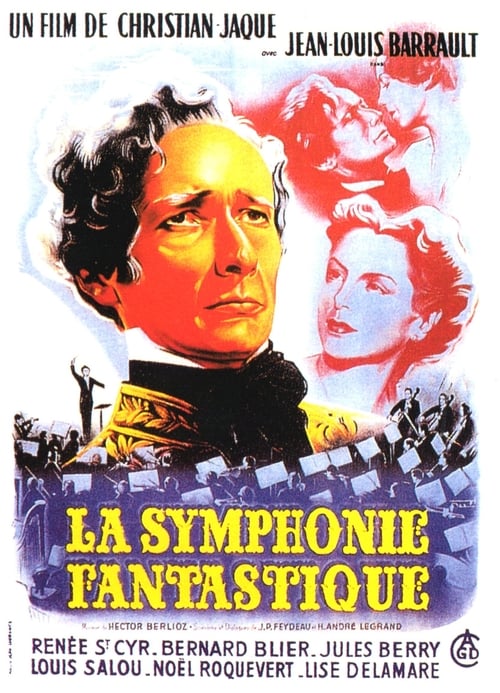
1942
2024
1952
1988
No reviews yet. Be the first to share your thoughts on this movie!
Use the rating form above to leave a star rating and optional review.