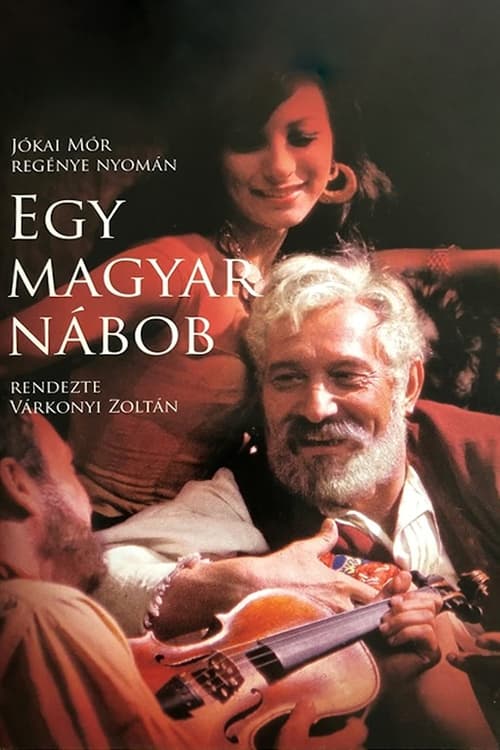
A Hungarian Nabob
1966
No user ratings available yet
Diversity score: 3.2 out of 10

1956
Director
Václav Krška
Runtime
98 minutes
Average Rating
No ratings yetSynopsis
Second half of the 19th century. In a small town in South Bohemia, fifth-former Jan Ratkin is living through the confusions of first love together with his classmates.
Overall Score
Limited
Category Breakdown
LGBTQ+ Representation
The film focuses on the traditional romantic experiences of youth in a 19th-century setting. It lacks evidence of non-cisnormative identities or any narrative critique of heteronormativity.
Gender Representation
While the story explores the emotional agency of young protagonists, it remains rooted in the traditional gender hierarchies of the 1800s. There is no indication of subverted gender roles.
Racial & Ethnic Diversity
The setting in a small South Bohemian town suggests a homogeneous ethnic cast. The narrative does not feature non-white ensembles or race-bent casting.
Religious & Cultural Diversity
As a historical drama, the film prioritizes period-accurate social mores. It does not appear to challenge the social norms or religious structures of the era.
Disability Representation
The narrative provides no mention of characters with visible or invisible disabilities.
Strengths
Areas for Improvement
AI Analysis
Silvery Wind is a period drama that functions as a window into the social and cultural constraints of 19th-century Bohemia. The film's narrative architecture is shaped by its historical setting, focusing on the emotional milestones of youth within a traditional framework. Because the story adheres to the era's standard social structures, it lacks the intersectional complexity found in modern cinema. The representation reflects the historical homogeneity of the region rather than contemporary identity-based subversion.
1966

1954
2003
1952

2003

1968

1922

1968

1955

1979
1967

2022
No reviews yet. Be the first to share your thoughts on this movie!
Use the rating form above to leave a star rating and optional review.