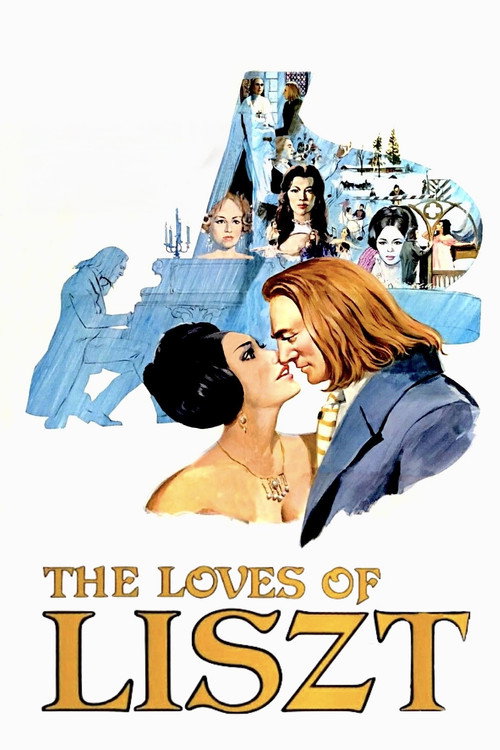
Dreams of Love
1970
No user ratings available yet
Representation score: 2.9 out of 10
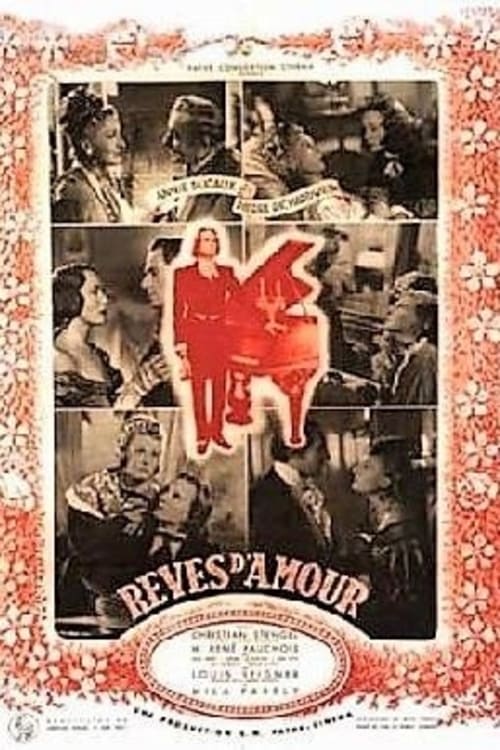
Representation Score
Minimal
1947
ApprovedDirector
Christian Stengel
Runtime
105 minutes
Average Rating
No ratings yetNew Showbiz Analysis
Dreams of Love is a classic biographical drama that emphasizes romantic melodrama over social critique. While it showcases a woman defying 19th-century social norms for personal passion, the story remains confined to traditional storylines. By limiting its scope to the specific social context of 1833 Europe, the film misses opportunities for multi-layered complexity and diverse casting. Consequently, it fails to offer substantial subversion of conventional period drama structures. Ultimately, the film highlights individual passion within a rigid historical framework, lacking in-depth exploration of broader societal issues or diverse representation.
Category Breakdown
The film focuses solely on heterosexual relationships, centering around the romantic bond between Liszt and the Countess.
Marie d'Agout leaves behind her social status for love, showing strong character development. However, her actions are framed as a sacrifice rather than a challenge to traditional gender roles.
Set in 19th-century Paris and Italy, the film portrays a historically homogeneous European society. There is no depiction of diverse ethnic groups.
The story adheres to traditional Western historical narratives. It examines social honor through melodrama without questioning institutional oppression.
The narrative does not include any characters facing physical, sensory, or neurodivergent conditions.
Present on Screen
Limited or Absent
Official Synopsis
Paris, 1833. The famous composer Franz Liszt is friends with Chopin who introduces him to Countess Marie d'Agout. Very quickly Liszt falls in love and she, who is already married and has two children, abandons honor and reputation to follow him. They leave to live a great passion in Italy. Then, Franz Liszt gives concerts, the triumph awaits him everywhere. Little by little the fame of the composer will move the two lovers away.
1970
1975

1954
1988
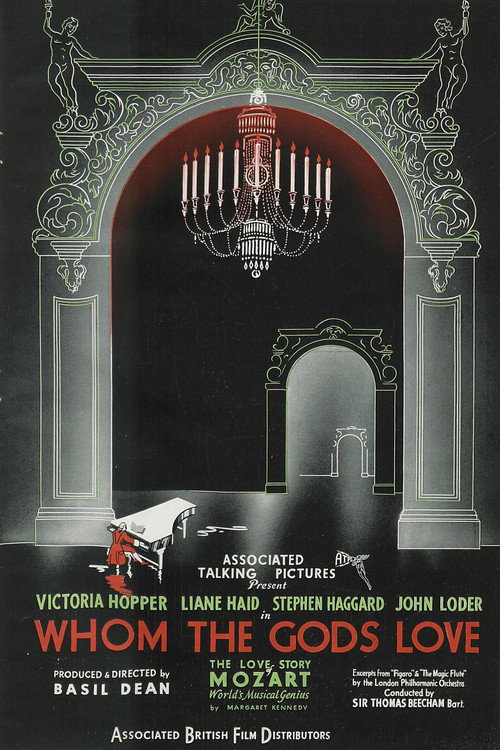
1936
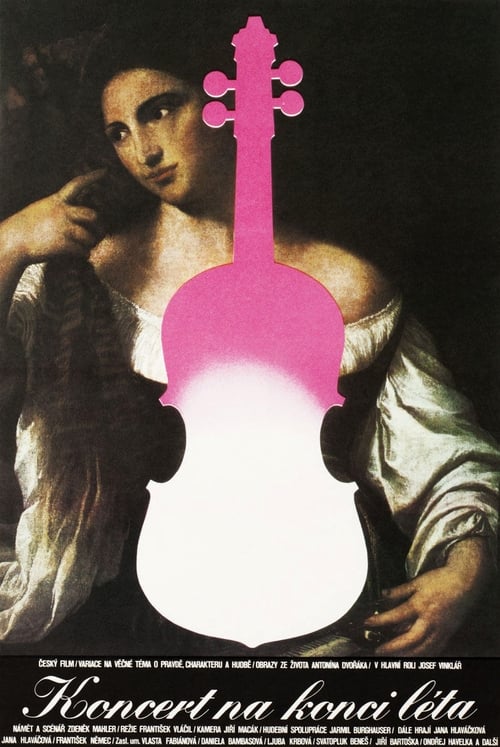
1980
1925
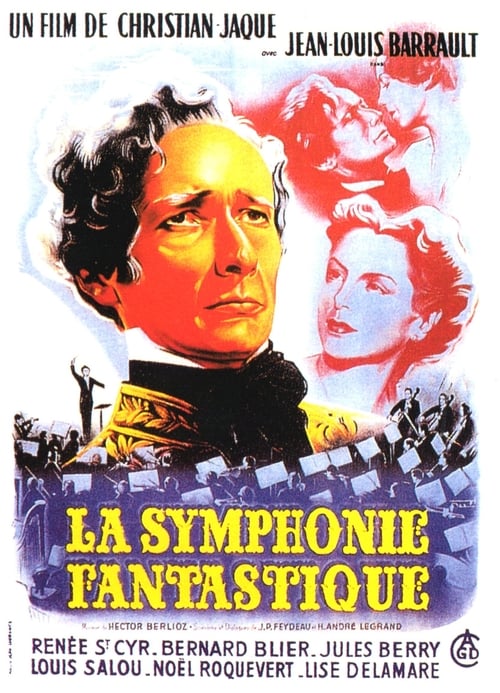
1942
No reviews yet. Be the first to share your thoughts on this movie!
Use the rating form above to leave a star rating and optional review.